
Gravações e a Lei: é legal gravar uma conversa...
Entenda se é legal gravar uma conversa sem consentimento e como as leis de consentimento de uma parte versus duas partes, além das regras federais versus estaduais, se aplicam.
Kate, Praveen
July 16, 2025
Então, você pode gravar legalmente uma conversa sem contar a ninguém? Essa é uma pergunta complicada, e a resposta não é um simples sim ou não. Tudo depende de onde você está. Os Estados Unidos têm uma lei federal que estabelece um padrão, mas muitos estados adicionaram suas próprias regras, muito mais rigorosas.
A Resposta Curta sobre Gravação de Conversas
Descobrir as regras para gravação pode parecer que você está tentando navegar por um labirinto legal. Tudo se resume a um conflito entre duas ideias legais diferentes: consentimento de uma parte e consentimento de todas as partes. Essas regras decidem quem precisa saber que está sendo gravado para que seja legal.
Pense nisso assim: a lei federal é a estrada principal, com um conjunto básico de regras para todos. Mas assim que você cruza a fronteira de um estado, você está em estradas locais onde as leis podem mudar drasticamente. A lei federal dos EUA é bastante flexível, mas muitos estados colocaram seus próprios sinais de parada.
Consentimento de Uma Parte vs. Consentimento de Todas as Partes
Então, qual é a diferença real entre esses dois?
-
Consentimento de Uma Parte: Nesses estados, você está livre para gravar, desde que você faça parte da conversa. Seu próprio consentimento é suficiente. Você não precisa anunciar que está gravando para as outras pessoas na linha.
-
Consentimento de Todas as Partes: Esta é a regra rigorosa. Às vezes, é chamada de "consentimento de duas partes", mas na verdade significa que todos na conversa precisam concordar em ser gravados. Não importa se são duas pessoas ou uma dúzia – cada pessoa precisa dar o sinal verde.
A coisa mais importante a lembrar é esta: na dúvida, sempre jogue pelo seguro e siga a regra mais rigorosa. Se você estiver em uma ligação com pessoas em diferentes estados, aderir à regra de consentimento de todas as partes é a única maneira de garantir que você não esteja infringindo a lei.
Para ajudá-lo a ver a diferença com mais clareza, aqui está um resumo rápido:
Consentimento de Uma Parte vs. Consentimento de Todas as Partes em Resumo
Esta tabela oferece um resumo visual rápido dos dois principais padrões legais para gravação de conversas nos EUA.
| Conceito | Estados com Consentimento de Uma Parte | Estados com Consentimento de Todas as Partes (Duas Partes) |
|---|---|---|
| O que significa | Apenas uma pessoa na conversa precisa saber e concordar com a gravação. Essa pessoa pode ser você. | Todas as pessoas que participam da conversa devem dar seu consentimento explícito para serem gravadas. |
| Quem é coberto | Aproximadamente 38 estados e o Distrito de Columbia seguem esta regra, alinhando-se com a lei federal. | Cerca de 12 estados, incluindo Califórnia, Flórida e Pensilvânia, aplicam este padrão mais rigoroso. |
| Abordagem prática | Desde que você esteja participando ativamente da discussão, você pode legalmente apertar o botão de gravar sem contar aos outros. | Você deve informar a todos no início da conversa que ela está sendo gravada e obter o acordo deles. |
Como você pode ver, o cenário legal é dividido. A maioria dos estados segue a regra mais flexível de uma parte, mas os estados que exigem consentimento de todas as partes – como Califórnia e Flórida – levam isso muito a sério. Violar suas leis pode levar a penalidades bastante significativas, incluindo acusações criminais. Para um mergulho mais profundo em quais estados se enquadram em qual categoria, o Justia.com tem um ótimo resumo estado a estado das leis de consentimento.
Depois de ter gravado legalmente sua conversa, o próximo passo é muitas vezes colocá-la por escrito.
Recursos que Transformam Gravações Legais em Registros Utilizáveis
IA de última geração
Alimentado pelo Whisper da OpenAI para precisão líder na indústria. Suporte para vocabulários personalizados, arquivos de até 10 horas e resultados ultra rápidos.

Importar de múltiplas fontes
Importe arquivos de áudio e vídeo de várias fontes, incluindo upload direto, Google Drive, Dropbox, URLs, Zoom e mais.
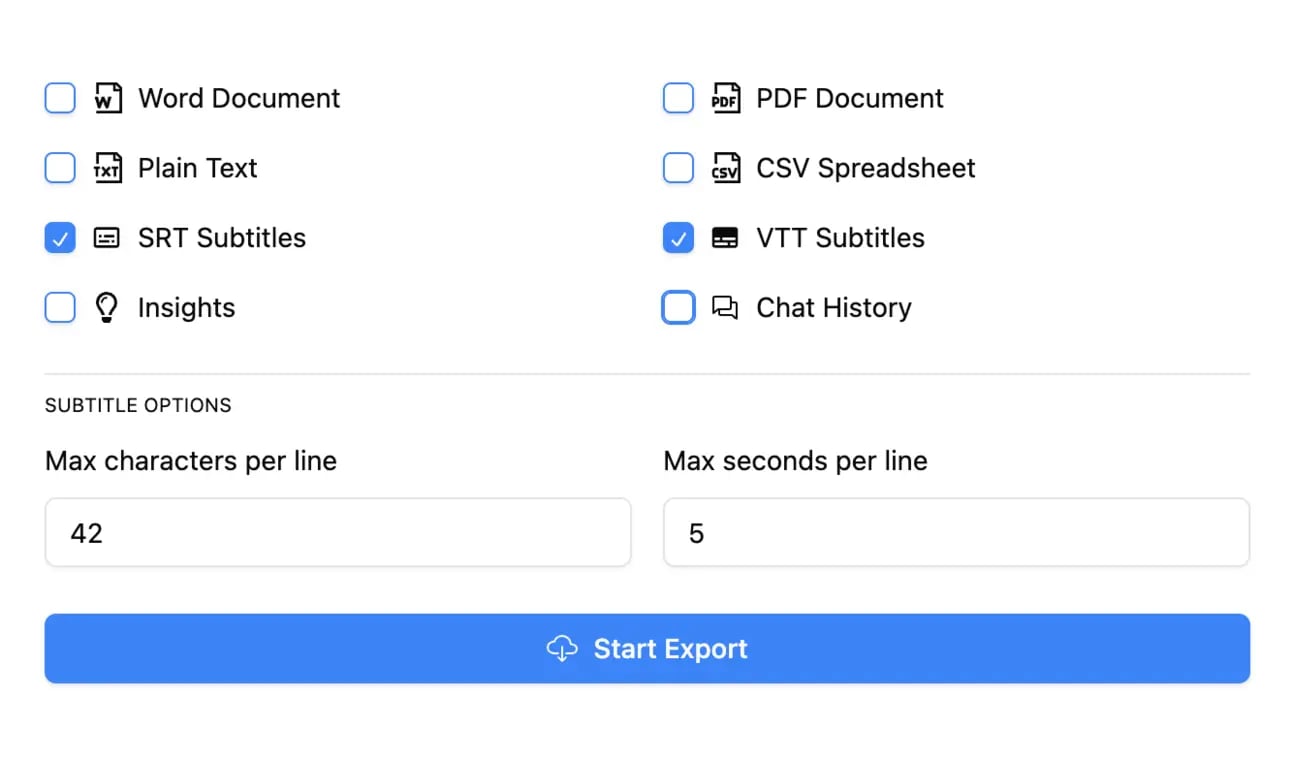
Exportar em múltiplos formatos
Exporte suas transcrições em múltiplos formatos incluindo TXT, DOCX, PDF, SRT e VTT com opções de formatação personalizáveis.
Seja para evidências legais, registros comerciais ou apenas suas próprias anotações, ter uma versão textual limpa e precisa é crucial. Se você quiser saber mais sobre esse processo, confira nosso guia sobre o que é uma transcrição e como tudo funciona.
Por que as Transcrições São Importantes Legalmente
Transcrições precisas ajudam a preservar a intenção, o contexto e a redação — fatores críticos em situações legais, profissionais e sensíveis à conformidade, onde a má interpretação pode causar problemas sérios.
Um Guia para Leis Federais e Estaduais de Gravação nos EUA
Tentar descobrir se você pode gravar legalmente uma conversa é como navegar em um labirinto de dois níveis. Primeiro, você tem a lei federal, que estabelece uma base para todo o país. Em seguida, você tem as leis estaduais sobrepostas, que podem ser muito mais rigorosas e geralmente têm prioridade em situações locais.
No nível federal, a lei é bastante direta. O Electronic Communications Privacy Act (ECPA) estabelece uma regra de consentimento de uma parte em todo o país. O que isso significa? Se você faz parte de uma conversa, seja por telefone ou pessoalmente, a lei federal diz que você pode gravá-la legalmente. Sua própria participação é todo o consentimento que você precisa.
Mas esse é apenas o ponto de partida. Os estados têm o direito de aprovar suas próprias leis de privacidade, e muitos o fizeram, criando um cenário mais complexo para quem aperta o botão de gravar.
A Grande Divisão: Estados de Consentimento de Uma Parte vs. Todos os Partes
Enquanto a regra federal é simples, os estados estão divididos em dois grupos. A maioria dos estados segue a liderança do governo federal, mas um punhado tem regras muito mais rigorosas.
Veja como isso se divide:
- Estados de Consentimento de Uma Parte: Cerca de 38 estados e o Distrito de Columbia seguem este padrão. Se você estiver em um estado como Texas, Nova York ou Ohio, pode gravar legalmente uma conversa da qual faz parte sem avisar ninguém.
- Estados de Consentimento de Todas as Partes: Cerca de 12 estados exigem que todas as pessoas na conversa concordem em ser gravadas. As pessoas costumam chamar isso de "consentimento de duas partes", mas "todas as partes" é mais preciso, pois abrange conversas com três, quatro ou mais pessoas. Este grupo inclui estados como Califórnia, Flórida, Pensilvânia e Illinois.
Em um estado de consentimento de todas as partes, apertar o botão de gravar sem obter um "sim" claro de todos é ilegal. Você deve anunciar que está gravando e obter permissão explícita antes de começar.
Essa distinção é especialmente crítica para profissionais que lidam com informações confidenciais, como médicos ou advogados. Por exemplo, ao lidar com conversas de pacientes, os profissionais de saúde frequentemente usam serviços especializados de transcrição compatíveis com HIPAA para garantir que tanto a gravação quanto a transcrição sejam gerenciadas de forma legal e segura.
Esta árvore de decisão oferece um guia visual rápido para determinar se é legal gravar.
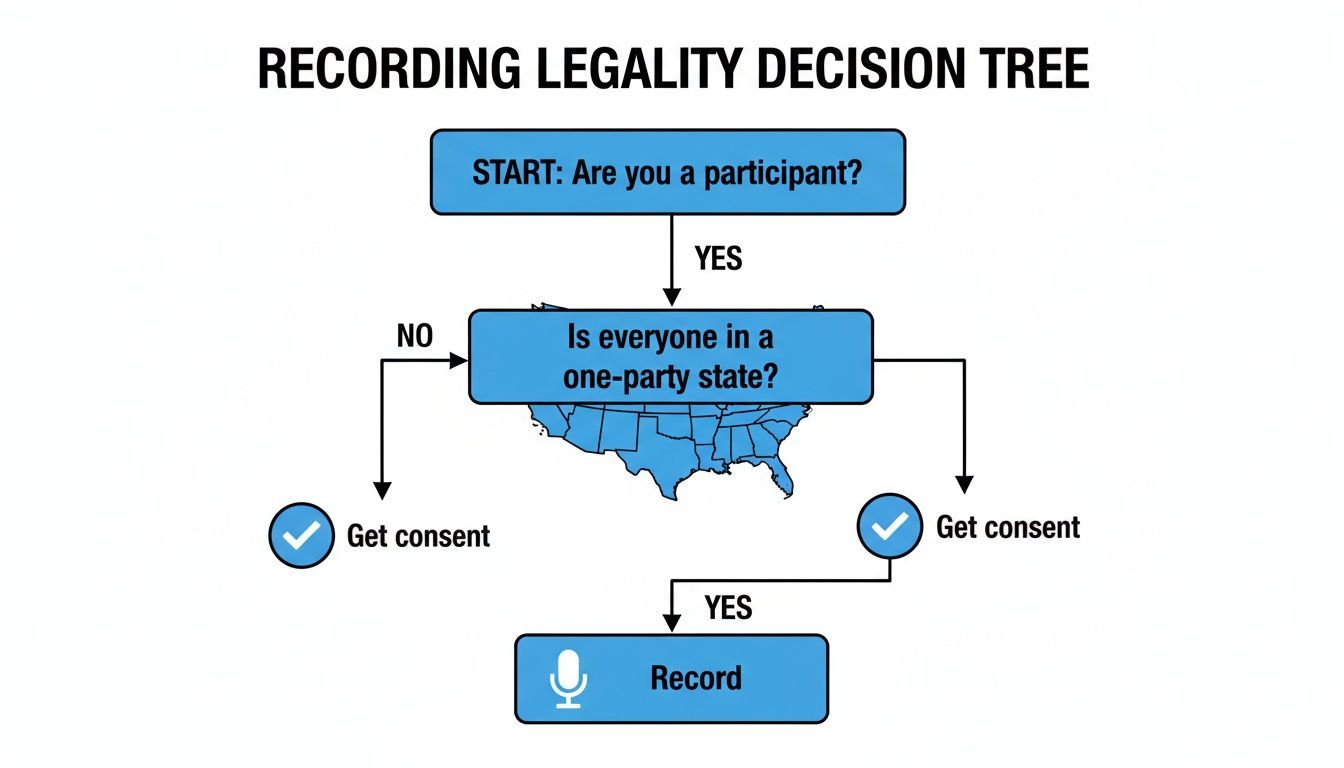
A principal conclusão? No momento em que alguém de um estado de consentimento de todas as partes entra na conversa, o único caminho seguro e legal é obter permissão de todos os envolvidos.
Chamadas Interestaduais: A Lei Mais Rigorosa Sempre Vence
O que acontece quando você está em uma chamada com pessoas em diferentes estados? Digamos que você esteja no Texas (um estado de uma parte) e grave uma chamada com um cliente na Califórnia (um estado de todas as partes). A lei de qual estado se aplica?
Esta é uma área cinzenta legal notória, e os tribunais não chegaram a uma resposta universal. Mas o consenso esmagador dos especialistas jurídicos é simples: sempre siga a lei mais rigorosa aplicável.
Nessa chamada do Texas para a Califórnia, você deve absolutamente seguir a regra de consentimento de todas as partes da Califórnia. Por quê? Porque você está sujeitando o residente da Califórnia a uma ação que é ilegal onde ele mora, e um tribunal quase certamente priorizará seu direito à privacidade sob a lei de seu estado natal.
Ignorar isso pode colocá-lo em apuros, enfrentando acusações criminais e um processo civil no estado mais rigoroso. É um risco que você não quer correr.
Para permanecer do lado certo da lei, basta seguir esta regra: Antes de gravar qualquer conversa, descubra onde cada participante está localizado. Se mesmo uma pessoa estiver em um estado de consentimento de todas as partes, obtenha permissão de todos. É a única maneira garantida de se proteger.
Requisitos de Consentimento Estado a Estado para Gravação de Conversas
Para facilitar as coisas, compilamos uma lista de leis de consentimento para todos os 50 estados. Embora esta tabela seja um ótimo ponto de partida, as leis podem e mudam. É sempre uma boa ideia verificar os estatutos atuais em seu estado específico ou consultar um profissional jurídico se tiver alguma dúvida.
| Estado | Requisito de Consentimento | Nuance ou Estatuto Chave |
|---|---|---|
| Alabama | Uma Parte | Ala. Code § 13A-11-30 et seq. |
| Alasca | Uma Parte | Alaska Stat. § 42.20.310 |
| Arizona | Uma Parte | Ariz. Rev. Stat. Ann. § 13-3005 |
| Arkansas | Uma Parte | Ark. Code Ann. § 5-60-120 |
| Califórnia | Todas as Partes | Cal. Penal Code § 632 |
| Colorado | Uma Parte | Colo. Rev. Stat. § 18-9-303, 18-9-304 |
| Connecticut | Todas as Partes | Conn. Gen. Stat. Ann. § 52-570d |
| Delaware | Todas as Partes | Del. Code Ann. tit. 11, § 2402 |
| D.C. | Uma Parte | D.C. Code Ann. § 23-542 |
| Flórida | Todas as Partes | Fla. Stat. Ann. § 934.03 |
| Geórgia | Uma Parte | Ga. Code Ann. § 16-11-66 |
| Havaí | Uma Parte | Haw. Rev. Stat. Ann. § 803-42 |
| Idaho | Uma Parte | Idaho Code § 18-6702 |
| Illinois | Todas as Partes | 720 Ill. Comp. Stat. 5/14-2 |
| Indiana | Uma Parte | Ind. Code Ann. § 35-31.5-2-17.6 |
| Iowa | Uma Parte | Iowa Code Ann. § 727.8, 808B.2 |
| Kansas | Uma Parte | Kan. Stat. Ann. § 21-6101 |
| Kentucky | Uma Parte | Ky. Rev. Stat. Ann. § 526.010 |
| Louisiana | Uma Parte | La. Rev. Stat. Ann. § 15:1303 |
| Maine | Uma Parte | Me. Rev. Stat. Ann. tit. 15, § 709 |
| Maryland | Todas as Partes | Md. Cts. & Jud. Proc. Code Ann. § 10-402 |
| Massachusetts | Todas as Partes | Mass. Gen. Laws ch. 272, § 99 |
| Michigan | Todas as Partes | Mich. Comp. Laws Ann. § 750.539c |
| Minnesota | Uma Parte | Minn. Stat. Ann. § 626A.02 |
| Mississippi | Uma Parte | Miss. Code Ann. § 41-29-531 |
| Missouri | Uma Parte | Mo. Rev. Stat. § 542.402 |
| Montana | Todas as Partes | Mont. Code Ann. § 45-8-213 |
| Nebraska | Uma Parte | Neb. Rev. Stat. § 86-290 |
| Nevada | Uma Parte | Nev. Rev. Stat. Ann. § 200.620 |
| New Hampshire | Todas as Partes | N.H. Rev. Stat. Ann. § 570-A:2 |
| Nova Jersey | Uma Parte | N.J. Stat. Ann. § 2A:156A-3 |
| Novo México | Uma Parte | N.M. Stat. Ann. § 30-12-1 |
| Nova York | Uma Parte | N.Y. Penal Law § 250.00, 250.05 |
| Carolina do Norte | Uma Parte | N.C. Gen. Stat. Ann. § 15A-287 |
| Dakota do Norte | Uma Parte | N.D. Cent. Code § 12.1-15-02 |
| Ohio | Uma Parte | Ohio Rev. Code Ann. § 2933.52 |
| Oklahoma | Uma Parte | Okla. Stat. Ann. tit. 13, § 176.4 |
| Oregon | Uma Parte | Or. Rev. Stat. § 165.540 |
| Pensilvânia | Todas as Partes | 18 Pa. Cons. Stat. Ann. § 5703 |
| Rhode Island | Uma Parte | R.I. Gen. Laws § 11-35-21 |
| Carolina do Sul | Uma Parte | S.C. Code Ann. § 17-30-30 |
| Dakota do Sul | Uma Parte | S.D. Codified Laws Ann. § 23A-35A-20 |
| Tennessee | Uma Parte | Tenn. Code Ann. § 39-13-601 |
| Texas | Uma Parte | Tex. Penal Code Ann. § 16.02 |
| Utah | Uma Parte | Utah Code Ann. § 77-23a-4 |
| Vermont | Uma Parte | Nenhuma lei específica, mas segue a lei federal |
| Virgínia | Uma Parte | Va. Code Ann. § 19.2-62 |
| Washington | Todas as Partes | Wash. Rev. Code Ann. § 9.73.030 |
| West Virginia | Uma Parte | W. Va. Code § 62-1D-3 |
| Wisconsin | Uma Parte | Wis. Stat. Ann. § 968.31 |
| Wyoming | Uma Parte | Wyo. Stat. § 7-3-702 |
Lembre-se, navegar por essas leis requer cuidado. Em caso de dúvida, obter consentimento é sempre o caminho mais seguro e profissional a seguir.
Aqui está a seção reescrita, projetada para soar completamente escrita por um humano e corresponder ao estilo de especialista e natural dos exemplos fornecidos.
O Que Acontece Fora dos Estados Unidos
No momento em que uma conversa cruza fronteiras internacionais, o livro de regras para gravação é jogado pela janela. Se você está falando com alguém em outro país, não pode simplesmente assumir que as leis de consentimento de uma parte dos EUA o protegerão. Você está subitamente jogando em uma arena global, e as expectativas de privacidade são completamente diferentes.
Pensar que as leis federais ou estaduais dos EUA o protegerão em uma chamada internacional é um erro crítico. Muitos países têm leis de privacidade e gravação muito mais rigorosas, tratando conversas pessoais com um nível de proteção que pode surpreendê-lo. Errar nisso pode colocá-lo em sérios problemas legais no exterior.
O Padrão Ouro do GDPR na Europa
O Regulamento Geral de Proteção de Dados (GDPR) da União Europeia estabeleceu o padrão global para privacidade de dados. E não é apenas para grandes corporações — ele rege como os dados pessoais, incluindo gravações de voz, são tratados para qualquer cidadão da UE, independentemente de onde a pessoa que está gravando esteja localizada.
Sob o GDPR, "consentimento" não é apenas uma formalidade. Ele deve ser:
- Livremente Dado: A pessoa não pode ser pressionada ou encurralada para concordar.
- Específico: Você deve declarar exatamente por que está gravando a conversa.
- Informado: Você precisa explicar como a gravação será usada, armazenada e por quanto tempo.
- Inequívoco: O consentimento deve ser um claro "sim", não apenas a ausência de um "não".
Aquela mensagem vaga e automatizada "esta chamada pode ser monitorada ou gravada"? Muitas vezes, isso não é suficiente sob o GDPR. O regulamento exige um opt-in claro e positivo, tornando-o um dos modelos de consentimento mais rigorosos do planeta.
Navegando Leis em Outros Países Chave
Embora a UE estabeleça um alto padrão, outros países têm suas próprias leis de privacidade rigorosas que você precisa seguir. Assumir consentimento de uma parte quase nunca é uma aposta segura. Sua mentalidade padrão deve ser sempre obter permissão explícita de todos.
Pegue nosso vizinho do norte, o Canadá. A lei de privacidade do país, PIPEDA, geralmente exige o consentimento de todas as partes. Ela determina que as pessoas devem ser informadas de que uma conversa está sendo gravada e por quê.
A Austrália é outro ponto complicado. Embora as regras possam variar entre seus estados e territórios, a lei federal é rigorosa com a privacidade.
Globalmente, a União Europeia estabeleceu alguns dos requisitos de gravação de chamadas mais rigorosos do mundo por meio do GDPR, onde o consentimento deve ser livremente dado, específico, informado e inequívoco. Países como Alemanha e França também possuem leis criminais que proíbem a gravação não autorizada. A Lei de Telecomunicações de 1979 da Austrália também proíbe a gravação de chamadas sem consentimento, embora as leis estaduais variem, com algumas exigindo consentimento de todas as partes e outras permitindo consentimento de uma parte em certas situações. Você pode ler mais sobre essas leis internacionais de gravação de chamadas de atendimento ao cliente para entender melhor as complexidades globais.
A Única Estratégia Segura para Chamadas Globais
Quando sua chamada inclui pessoas de diferentes países, você é responsável pelas leis de cada localidade da pessoa. Uma chamada entre alguém em Nova York, Londres e Sydney deve cumprir as leis dos EUA, do Reino Unido (GDPR) e da Austrália simultaneamente. Tentar encontrar uma brecha não é apenas uma dor de cabeça — é incrivelmente arriscado.
A melhor abordagem é tornar o padrão mais rigoroso sua prática padrão. Antes de apertar o botão de gravar em qualquer chamada internacional, basta seguir estas etapas:
- Anuncie sua Intenção: Declare claramente no início que você pretende gravar.
- Explique o Propósito: Diga brevemente por que você está gravando (por exemplo, "para anotações precisas" ou "para manter um registro do que acordamos").
- Solicite Consentimento Explícito: Peça a cada pessoa que confirme verbalmente que concorda. Algo tão simples quanto "Todos estão de acordo com isso?" e esperar um "sim" de cada pessoa é perfeito.
- Documente o Consentimento: Certifique-se de que o "sim" deles seja capturado logo no início da gravação.
Essa abordagem garante que você respeite os direitos de privacidade de todos e permaneça em conformidade com as leis internacionais mais exigentes. Quando se trata da questão de saber se é legal gravar uma conversa sem consentimento internacionalmente, a resposta é um retumbante não. Ser transparente e obter permissão clara não é apenas uma boa ideia — é sua melhor proteção legal.
Compreendendo Exceções Chave às Leis de Consentimento
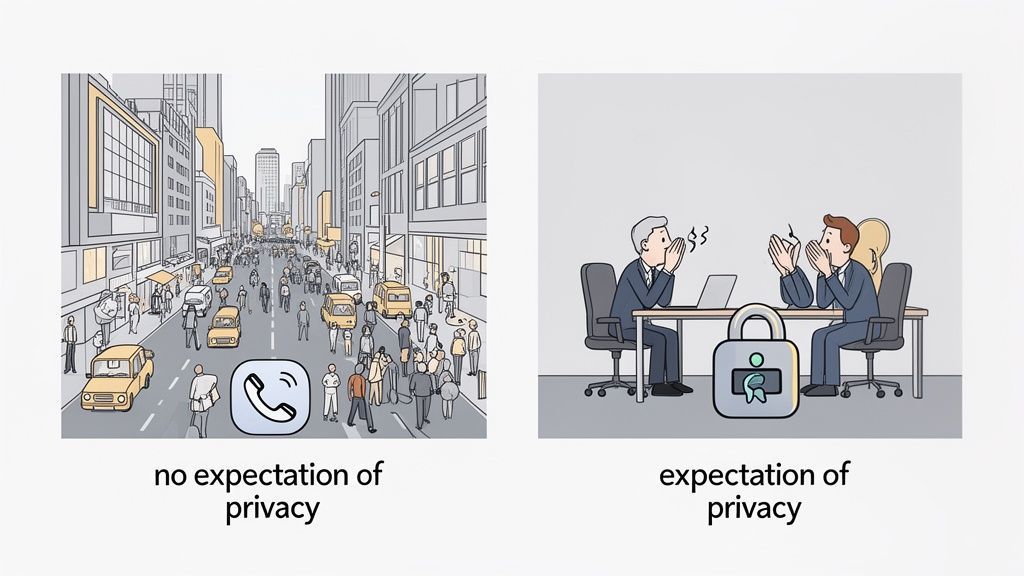
Embora obter consentimento seja a regra de ouro, a lei entende que nem toda conversa acontece em uma bolha privada. Existem algumas exceções importantes onde você pode ser capaz de gravar sem pedir permissão primeiro. O fio que os une é a ideia de uma expectativa razoável de privacidade.
Pense nisso desta forma: se duas pessoas estão sussurrando em um escritório de portas fechadas, elas claramente esperam privacidade. Gravá-las seria um grande problema. Mas se essas mesmas duas pessoas estão gritando uma com a outra em um parque lotado, essa expectativa desaparece. Sua conversa é pública, e gravá-la é geralmente justo.
Compreender este princípio é o seu primeiro passo para navegar pelas áreas cinzentas das leis de gravação. É o que separa um requisito legal de uma simples cortesia profissional.
Espaços Públicos e Nenhuma Expectativa de Privacidade
A exceção mais importante e comum às leis de consentimento é para conversas em locais públicos. Quando as pessoas estão em um lugar onde podem ser facilmente vistas e ouvidas, seu direito à privacidade conversacional despenca.
Isso geralmente inclui locais como:
- Calçadas e parques públicos: Qualquer conversa ao ar livre é geralmente gravável.
- Restaurantes ou cafés movimentados: Aquela discussão alta na mesa ao lado? Provavelmente não tem expectativa de privacidade.
- Reuniões públicas ou protestos: Esses eventos são projetados para um público, então o que é dito em voz alta não é protegido.
Mas o contexto ainda é fundamental. Uma conversa tranquila e sincera em um canto isolado do mesmo parque ainda pode ter uma expectativa razoável de privacidade. A lei considera o que uma pessoa comum consideraria privado naquela situação específica.
Consentimento Implícito por Notificação
Outra exceção importante é o consentimento implícito, e você o encontrou centenas de vezes sem saber o nome. É mais comum em chamadas de atendimento ao cliente.
Já ouviu uma mensagem automatizada como: "Esta chamada pode ser monitorada ou gravada para garantia de qualidade"? Ao permanecer na linha, você está legalmente dando seu consentimento para ser gravado. Você não disse "sim", mas sua ação de continuar a conversa implica seu acordo. Esta é uma base legal sólida em estados de consentimento de uma parte e de todas as partes, porque todos foram claramente notificados.
Este conceito é ainda mais relevante agora que ferramentas automatizadas estão se juntando às nossas reuniões. Para que uma ação conte como consentimento, ela deve ser uma escolha clara e informada. Permanecer em uma linha após uma notificação é uma das formas de consentimento mais amplamente aceitas.
Gravando Ameaças ou Atos Criminosos
Em algumas situações muito sérias, a lei pode permitir que você grave uma conversa sem consentimento se estiver tentando documentar um crime em andamento. Isso é frequentemente usado quando alguém está recebendo ameaças diretas, como chantagem, extorsão ou agressão física.
A lógica é simples: o interesse público em parar um crime supera os direitos de privacidade de um indivíduo naquele momento. Se alguém está ameaçando você, uma gravação pode se tornar uma evidência crítica para se proteger e entregar às autoridades.
Esteja avisado, no entanto — esta é uma exceção muito restrita que muda drasticamente de estado para estado. Você não pode simplesmente usá-la como uma desculpa geral para gravar qualquer conversa onde você acha que algo suspeito está acontecendo. A ameaça precisa ser direta e crível. Usar essa exceção é um jogo de azar legal, e você deve sempre conversar com um advogado se estiver em uma situação tão perigosa.
Em última análise, essas exceções não são brechas a serem exploradas. Quando você pergunta se é legal gravar uma conversa sem consentimento, depender de uma exceção deve ser seu último recurso, não seu primeiro movimento. O caminho mais seguro, ético e legalmente sólido é sempre ser transparente e obter permissão clara antes de apertar o botão de gravar.
As Leis de Gravação Estão Evoluindo
As leis de privacidade estão se tornando mais rigorosas em todo o mundo, especialmente em torno de reuniões digitais e ferramentas de IA. Práticas que eram aceitáveis anos atrás podem não ser mais compatíveis hoje.
As Altas Apostas da Gravação Ilegal
Ignorar as leis de gravação não é apenas um erro menor — é um jogo de alto risco. As penalidades por pressionar "gravar" ilegalmente são muito mais sérias do que um simples tapa no pulso. Dependendo de onde você está, você pode enfrentar acusações criminais que o seguirão pelo resto da vida.
Não estamos falando de infrações pequenas. Em muitos estados de consentimento de todas as partes como Califórnia e Flórida, a gravação ilegal pode ser um crime grave. Isso significa que você pode enfrentar tempo de prisão real, multas que chegam a milhares e um registro criminal permanente.
Precisão sem Conformidade é Perigosa
Mesmo uma conversa perfeitamente transcrita é inútil se foi gravada ilegalmente. A conformidade deve vir antes da transcrição, ou o conteúdo não poderá ser usado ou compartilhado com segurança.
Além disso, você está abrindo as portas para processos civis. A pessoa que você gravou pode processá-lo por invasão de privacidade e exigir indenizações financeiras significativas pelos danos causados. As consequências financeiras de uma má decisão podem ser absolutamente devastadoras.
Quando Sua Evidência Se Torna Inútil
Imagine o seguinte: você tem uma gravação que parece ser a "arma fumegante". É a peça chave de evidência que você precisa para ganhar seu caso. Mas se você a obteve ilegalmente, ela é completamente inútil em um contexto legal.
Existe uma doutrina legal conhecida como "fruto da árvore envenenada". É um conceito poderoso e significa basicamente que qualquer evidência coletada ilegalmente é contaminada e não pode ser usada em tribunal. Uma gravação ilegal é um exemplo clássico.
Não importa o quão condenadora ou perspicaz seja sua gravação, um juiz quase certamente a descartará. A gravação — e qualquer outra evidência que você descobriu por causa dela — é inadmissível. Ela se torna legalmente inútil, potencialmente paralisando todo o seu caso.
Aquela evidência crucial que você achava que tinha? Ela se foi. Você não pode usá-la para provar seu ponto, defender sua posição ou responsabilizar alguém. O próprio ato de gravar indevidamente saiu pela culatra, minando sua própria estratégia legal. Isso se aplica também aos negócios — para um exemplo do mundo real, basta olhar para as complexidades de gravar chamadas durante pagamentos por telefone.
Proteger-se é Fundamental
No final das contas, descobrir se é legal gravar uma conversa sem consentimento não é apenas seguir regras. É sobre proteger a si mesmo. Os riscos de errar são simplesmente altos demais para serem ignorados.
Quando Gravações e Transcrições São Comumente Usadas
Chamadas de Negócios e Clientes
Gravações ajudam a preservar acordos, esclarecer expectativas e reduzir disputas. Transcrições garantem que as decisões sejam documentadas e pesquisáveis muito depois do término da chamada.
Entrevistas e Pesquisas
Transcrições precisas protegem a intenção e a redação, tornando-as inestimáveis para jornalismo, pesquisa acadêmica e análise qualitativa.
Registros Legais e de Conformidade
De investigações internas a revisões de políticas, transcrições fornecem documentação estruturada que apoia auditorias e revisões legais.
Reuniões e Decisões de Equipe
Gravar reuniões evita mal-entendidos e itens de ação esquecidos, especialmente em equipes remotas ou transfronteiriças.
Um único passo em falso pode desencadear uma cascata de pesadelos legais e financeiros. Sua melhor defesa é um bom ataque: sempre opte pela lei mais rigorosa aplicável e obtenha consentimento claro e inequívoco. Não é apenas uma boa prática — é a única maneira de evitar problemas sérios.
Melhores Práticas para Gravação Legal e Ética
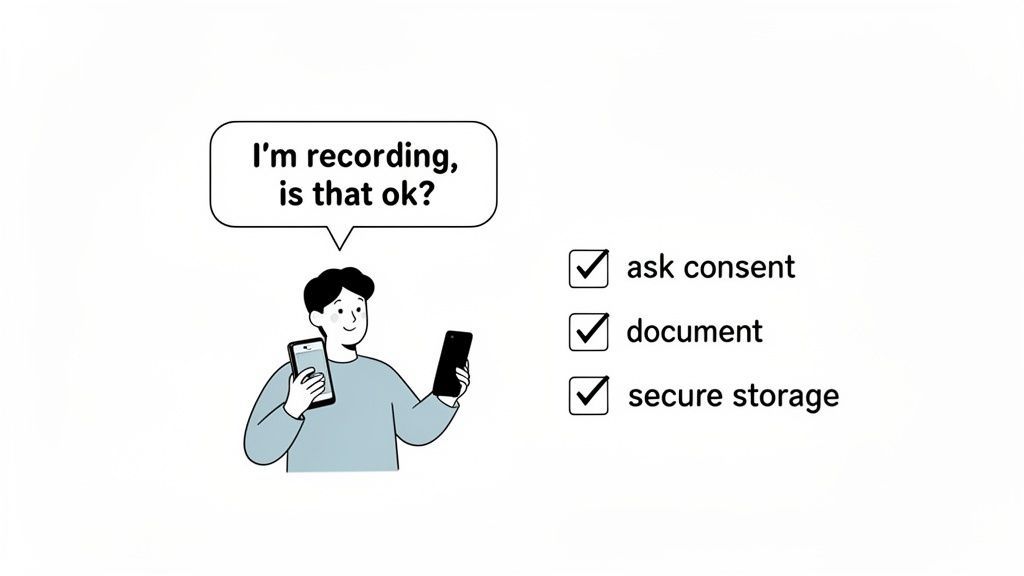
Conhecer as leis é uma coisa, mas colocar esse conhecimento em prática é o que o mantém protegido. A chave é construir um processo simples e repetível para cada gravação que você fizer, tornando a transparência sua configuração padrão, não um pensamento de última hora em pânico.
Trata-se de ir além de apenas conhecer as regras. Trata-se de criar um hábito consistente, seja um rápido check-in verbal ou um acordo mais formal. O princípio é sempre o mesmo: clareza e consentimento são seus melhores amigos.
Como Obter Consentimento Adequadamente
Obter permissão não precisa parecer uma troca legal formal. Na maioria das vezes, uma declaração direta logo no início da conversa é tudo o que é necessário. Seja direto e claro sobre o que você está fazendo.
Aqui estão alguns scripts simples que você pode adaptar rapidamente:
- Para reuniões informais: "Ei, só para eu não perder nada importante, você se importa se eu gravar esta chamada para minhas anotações?"
- Para chamadas com clientes: "Antes de começarmos, gostaria de gravar esta sessão para garantir que tenhamos um registro preciso de tudo o que discutimos. Todos concordam com isso?"
- Para entrevistas formais: "Para fins de precisão e transcrição, esta entrevista está sendo gravada. Você pode, por favor, confirmar que consente com a gravação?"
Certifique-se de esperar um "sim" claro de todas as pessoas antes de apertar o botão de gravar. Essa confirmação verbal, capturada logo no início do arquivo de áudio, torna-se sua prova de consentimento. Para conversas de maior risco, uma rápida confirmação por e-mail antes cria um rastro de papel ainda mais forte.
Preservando e Gerenciando Suas Gravações
Seu trabalho não termina quando a gravação para. Como você armazena, manipula e transcreve esse arquivo é igualmente crítico para proteger sua integridade e a privacidade de todos. Pense nisso como o passo final e crucial no processo de gravação ética.
Recursos para Revisar, Verificar e Gerenciar Conversas

Detecção de falantes
Identifique automaticamente diferentes falantes nas suas gravações e rotule-os com seus nomes.
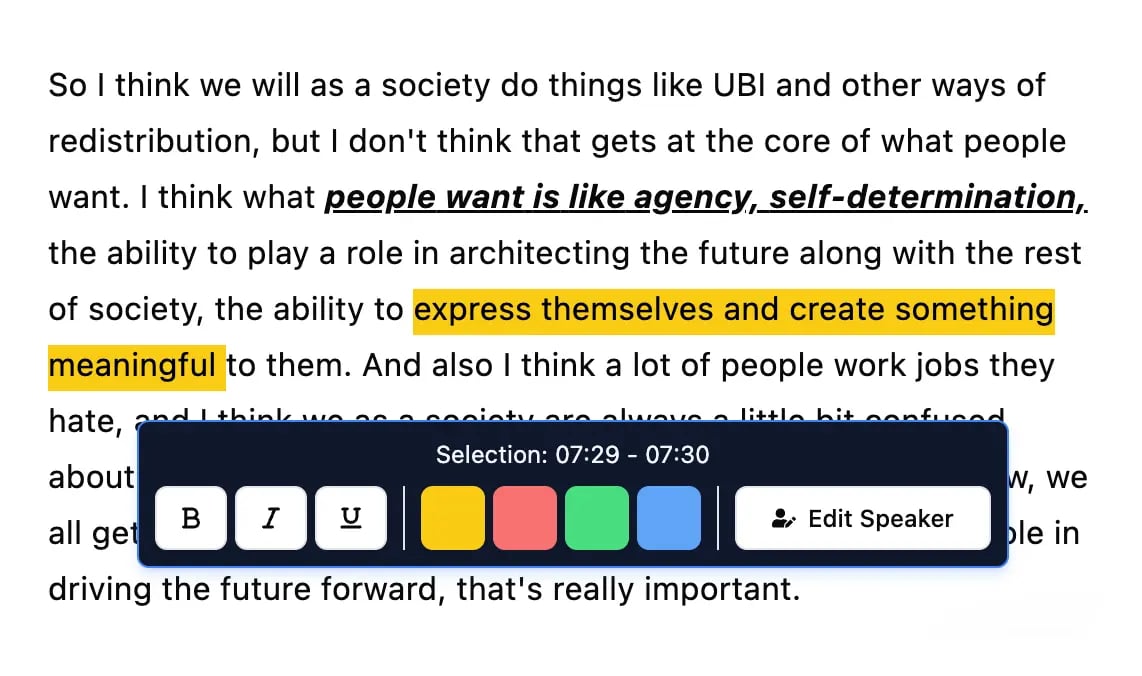
Ferramentas de edição
Edite transcrições com ferramentas poderosas incluindo buscar e substituir, atribuição de falantes, formatos de texto rico e destaque.
Resumos e Chatbot
Gere resumos e outros insights da sua transcrição, prompts personalizados reutilizáveis e chatbot para o seu conteúdo.
Siga estas etapas essenciais para gerenciar seus arquivos:
- Armazenamento Seguro: Mantenha seus arquivos de áudio em um local seguro e protegido por senha, como um disco rígido criptografado ou um serviço de nuvem seguro. Não deixe gravações sensíveis espalhadas em dispositivos inseguros.
- Preserve Metadados: Nunca altere o arquivo original. Seus metadados — os dados ocultos que incluem a data, hora e informações do dispositivo de criação — são vitais para autenticar a gravação, caso você precise dela como evidência.
- Use Serviços de Transcrição Confiáveis: Quando precisar de uma transcrição, opte por um serviço que leve a segurança e a confidencialidade a sério. Uma plataforma profissional garante que seus dados sejam tratados com segurança e que a transcrição seja precisa.
- Controle o Acesso: Seja rigoroso sobre quem pode acessar a gravação e a transcrição. Compartilhe apenas com pessoas que tenham uma necessidade legítima de saber e mantenha um registro de quem tem acesso e quando.
Insight Ético: Ser transparente sobre a gravação não é apenas para evitar problemas legais. É um sinal fundamental de respeito que constrói confiança e leva a conversas mais abertas e honestas. Uma abordagem ética sempre prioriza a transparência.
Para empresas e indivíduos que utilizam ferramentas avançadas como software de análise de voz, aplicar essas diretrizes éticas é inegociável para garantir privacidade e conformidade. O mesmo quadro se aplica, quer você esteja gravando uma rápida ligação telefônica ou uma grande reunião virtual. Se precisar de conselhos específicos da plataforma, nosso guia sobre como gravar uma reunião no Teams oferece passos práticos que se alinham a esses princípios.
No final das contas, a melhor prática é sempre a mais transparente.
Perguntas Comuns Sobre Gravação de Conversas
Mesmo depois de entender as regras básicas, as situações do mundo real podem ficar complicadas rapidamente. Vamos analisar algumas das perguntas mais comuns que as pessoas têm ao tentar descobrir se apertar o "gravar" é legal.
Posso Gravar uma Conversa da Qual Não Faço Parte?
Vamos deixar isso bem claro: absolutamente não. Esta é a linha vermelha mais brilhante em toda a lei de gravação.
Gravar secretamente uma conversa na qual você não está realmente é chamado de escuta ilegal ou interceptação telefônica. É ilegal sob a lei federal e todas as leis estaduais, sem exceções. A ideia de "consentimento de uma parte" só funciona se você for uma das partes na conversa. Ouvir os outros é um crime grave com consequências igualmente graves.
E se os Participantes da Chamada Estiverem em Estados Diferentes?
Este é um "e se" clássico que confunde muitas pessoas. Imagine que você está em um estado de consentimento de uma parte, como o Texas, mas está em uma chamada com alguém em um estado de consentimento de todas as partes, como a Califórnia. Quais regras se aplicam?
A única ação segura e legalmente inteligente é seguir as regras do estado mais rigoroso. Neste cenário, você tem que se comportar como se estivesse na Califórnia e obter o consentimento de todos na chamada. Quando as leis entram em conflito, os tribunais quase sempre dão razão à pessoa no estado com proteções de privacidade mais fortes.
Ponto Chave: Em caso de dúvida, a lei mais restritiva sempre vence. Se alguém na chamada estiver em um estado de consentimento de todas as partes, obtenha permissão de todos os envolvidos. É a única maneira de evitar problemas legais.
A Mensagem "Esta Chamada Pode Ser Gravada" Conta?
Sim, absolutamente conta. Essa mensagem automática que você ouve ao ligar para uma linha de atendimento ao cliente é um exemplo clássico de consentimento implícito.
Quando você é claramente informado de que uma chamada está sendo gravada e decide permanecer na linha e continuar a conversa, suas ações implicam que você concorda com isso. Essa simples notificação atende aos requisitos legais em estados de consentimento de uma parte e de todas as partes.
Depois que seu áudio estiver legalmente garantido, o próximo passo geralmente é transformá-lo em texto. Para quem procura fazer isso sem dor de cabeça, entender como transcrever conversas com as ferramentas certas pode economizar muito tempo.
Depois que suas conversas forem legalmente gravadas e transcritas, o Transcript.LOL ajuda você a desbloquear todo o seu valor. Nossa plataforma com IA transforma horas de áudio em texto preciso e pesquisável em segundos, com resumos, itens de ação e muito mais. Proteja seus dados e otimize seu fluxo de trabalho em https://transcript.lol.