10 Métodos Eficazes de Tomada de Notas para Dominar Informações em...
Desbloqueie seu potencial com estes 10 métodos eficazes de tomada de notas. Aprenda a usar Cornell, mapas mentais e mais para reter informações e aumentar a produtividade.
Kate, Praveen
May 7, 2025
Em um mundo saturado de informações de podcasts, reuniões e palestras, simplesmente anotar as coisas não é suficiente. A diferença entre esquecer e realmente entender reside em como você captura e processa as informações. Métodos tradicionais e passivos muitas vezes não acompanham, deixando você com anotações desorganizadas que são difíceis de revisar e raramente levam a insights genuínos. Este guia vai além da simples rabiscagem para apresentar 10 métodos eficazes de tomada de notas, cada um projetado para transformar a escuta passiva em aprendizado e retenção ativos.
O Que a Tomada de Notas Eficaz Realmente Entrega?
Melhor Retenção
A tomada de notas estruturada força o processamento ativo em vez da gravação passiva, ajudando as informações a entrarem na memória de longo prazo.
Revisão Mais Rápida
Anotações bem organizadas reduzem a necessidade de assistir ou ouvir novamente, economizando tempo durante exames, reuniões e criação de conteúdo.
Clareza para Ação
Anotações eficazes destacam decisões, insights e próximos passos em vez de enterrá-los em texto bruto.
Reutilização do Conhecimento
Anotações fortes se tornam ativos reutilizáveis — guias de estudo, artigos, resumos ou material de treinamento.
Claro, as melhores técnicas são tão boas quanto sua capacidade de concentração. Antes de mergulhar em técnicas específicas, é essencial cultivar o estado mental correto; você pode melhorar significativamente seu aprendizado dominando o foco ao estudar.
Este artigo fornece um resumo abrangente de abordagens estruturadas, do clássico Método Cornell a estratégias inovadoras como o Método TAG. Exploraremos como ferramentas modernas, incluindo transcrição por IA, podem turbinar essas técnicas clássicas, ajudando você não apenas a registrar informações, mas a dominá-las.
Anotações São Poderosas Apenas na Forma Como Você as Captura
A tomada de notas moderna combina estrutura com automação. Quando a captura é precisa e pesquisável, seu foco muda de anotar tudo para entender o que importa.
Quer você seja um estudante se preparando para exames, um profissional visando tirar mais proveito de reuniões ou um criador de conteúdo destilando tópicos complexos, encontrar o método certo aqui revolucionará sua produtividade. Detalharemos os casos de uso específicos, prós, contras e etapas de implementação acionáveis para cada um, para que você possa encontrar o sistema perfeito para suas necessidades.
1. O Método Cornell
Desenvolvido pelo professor Walter Pauk da Cornell University, o Método Cornell é um formato sistemático para condensar e organizar anotações. Essa abordagem é um dos métodos de anotação mais eficazes para converter conteúdo de áudio ou vídeo denso, derivado de transcrições, em informações estruturadas e acionáveis. A página é dividida em três seções distintas: uma coluna direita grande para anotações detalhadas, uma coluna esquerda mais estreita para dicas e perguntas, e uma seção de resumo na parte inferior.
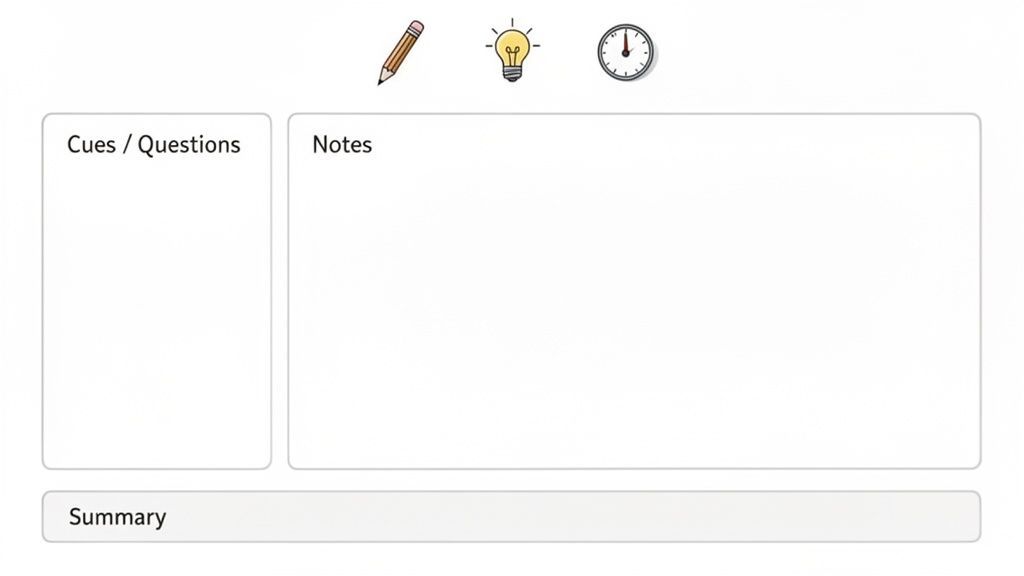
Este método força o engajamento ativo com o material. Em vez de transcrever passivamente, você deve analisar imediatamente o conteúdo para formular ideias principais, perguntas-chave e um resumo conciso. Esse processo de recordação ativa aumenta significativamente a compreensão e a retenção a longo prazo.
Melhores Casos de Uso
- Estudantes: Convertendo palestras gravadas em guias de estudo organizados.
- Pesquisadores: Estruturando descobertas e perguntas importantes de transcrições de entrevistas ou podcasts.
- Equipes Corporativas: Destilando transcrições de reuniões em itens de ação e decisões claras. Aprenda a resumir reuniões de forma eficaz para aprimorar este processo.
Dicas de Implementação
Para aplicar este método a uma transcrição, primeiro coloque suas anotações detalhadas da gravação na coluna da direita. Em seguida, revise essas anotações e formule perguntas ou palavras-chave na coluna "dicas" da esquerda. Finalmente, escreva um resumo de uma ou duas frases do conteúdo da página na parte inferior. Para retenção máxima, revise suas anotações e escreva o resumo em até 24 horas. A coluna de dicas também é um ótimo lugar para adicionar rótulos de palestrantes ou carimbos de data/hora para fácil referência.
2. A Técnica Feynman
Desenvolvida pelo físico vencedor do Prêmio Nobel Richard Feynman, esta técnica é um poderoso modelo mental para aprender e reter informações. A Técnica Feynman é um dos métodos de anotação mais eficazes para garantir uma compreensão profunda, não apenas memorização. Ela opera no princípio de que, se você não consegue explicar um conceito em termos simples, você não o entende verdadeiramente. Para usuários de transcrições, isso significa transformar conteúdo de áudio complexo em explicações claras e simplificadas.
Este método força ativamente você a identificar os componentes centrais de um tópico e destilá-los em sua forma mais simples. Em vez de apenas extrair frases-chave de uma transcrição, você deve processar as informações e rearticulá-las, revelando quaisquer lacunas em seu próprio entendimento. Este processo de simplificação e ensino é uma forma altamente eficaz de solidificar o conhecimento.
Melhores Casos de Uso
- Educadores: Convertendo transcrições detalhadas de palestras ou podcasts em materiais de estudo amigáveis para estudantes.
- Profissionais de Marketing de Conteúdo: Simplificando transcrições de entrevistas técnicas em posts acessíveis para mídias sociais ou conteúdo de blog.
- Profissionais de Marketing: Desmembrando explicações complexas de recursos de produtos de reuniões de desenvolvimento em mensagens claras para diversos públicos de clientes.
Dicas de Implementação
Para aplicar esta técnica a uma transcrição, comece revisando o conteúdo. Em seguida, escreva uma explicação dos conceitos centrais como se estivesse ensinando a uma criança de 12 anos. Identifique quaisquer áreas onde você tem dificuldade ou depende de jargões; essas são suas lacunas de conhecimento. Refine sua explicação até que seja simples, clara e precisa. Gravar a si mesmo explicando o conteúdo da transcrição pode ser uma ótima maneira de testar seu verdadeiro entendimento.
3. O Método de Esboço
O Método de Esboço é uma abordagem altamente estruturada e hierárquica que organiza informações logicamente. Ele usa tópicos principais, subtópicos e detalhes de suporte, frequentemente representados por algarismos romanos, letras e números, para criar uma estrutura esquelética clara do conteúdo. Este método é excepcionalmente eficaz para extrair informações-chave de transcrições detalhadas e organizá-las em um documento coerente e acionável.
Este sistema brilha ao lidar com conteúdo estruturado como palestras, reuniões ou apresentações bem organizadas. Ao desconstruir informações em uma hierarquia, você pode facilmente ver as relações entre as ideias principais e os detalhes granulares. A natureza linear do esboço facilita a revisão e a identificação dos pontos mais críticos rapidamente, transformando conversas densas em um resumo escaneável.
Melhores Casos de Uso
- Jornalistas: Organizando transcrições de entrevistas em seções temáticas e subtópicos para um artigo.
- Profissionais do Direito: Estruturando transcrições de depoimentos por categorias de alegações e evidências de suporte.
- Equipes Corporativas: Condensando transcrições de reuniões por itens de agenda, decisões e pontos de ação.
- Pesquisadores: Esboçando episódios de podcast ou palestras acadêmicas para sintetizar argumentos e descobertas-chave.
Dicas de Implementação
Ao trabalhar com uma transcrição, comece identificando os tópicos principais discutidos e use-os como seus títulos primários (por exemplo, I, II, III). Em seguida, preencha os subtópicos e detalhes de suporte da transcrição sob cada título. Use carimbos de data/hora da transcrição como pontos de referência dentro do seu esboço para verificação rápida de fatos. Para otimizar este processo, exporte sua transcrição para o formato DOCX e use as ferramentas de esboço integradas em seu processador de texto para gerenciar facilmente a hierarquia.
4. O Método de Mapeamento (Mapas Mentais)
O Método de Mapeamento, ou mapeamento mental, é uma abordagem visual e não linear para anotações que se destaca na captura de ideias e suas relações. Popularizada por Tony Buzan, esta técnica usa uma estrutura de árvore radial, começando com um conceito central e ramificando-se para subtópicos e detalhes relacionados. É um dos métodos de anotação mais eficazes para brainstorming e compreensão de conexões complexas em conteúdo de podcast, transcrições de entrevistas e material de vídeo.
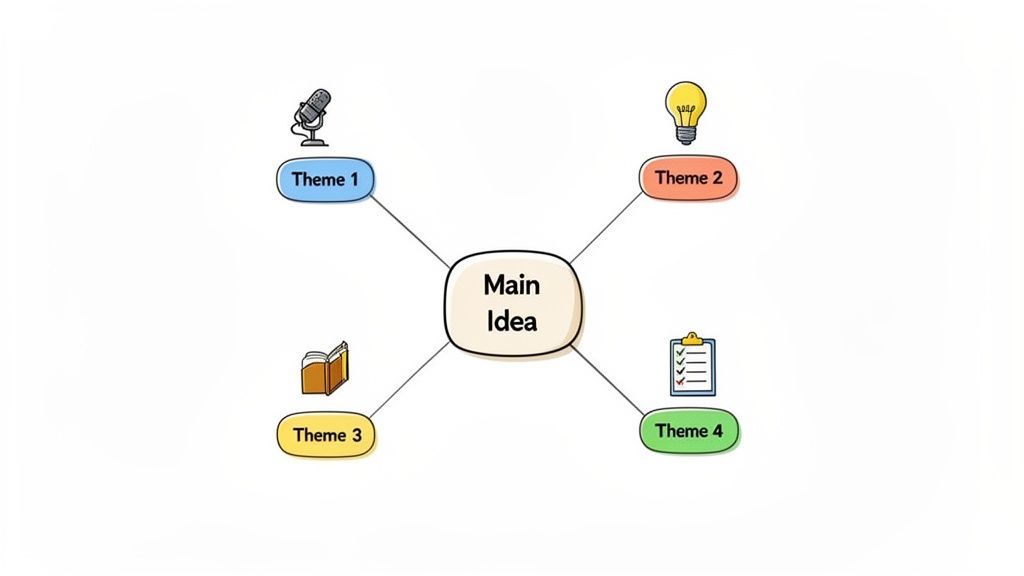
Ao contrário dos métodos lineares, o mapeamento mental incentiva o pensamento criativo, permitindo que você conecte informações livremente. Isso o torna ideal para transformar conversas de áudio ou vídeo não estruturadas em uma visão visual clara, ajudando você a ver o quadro geral e identificar padrões ocultos. A natureza visual deste método também auxilia na recordação e compreensão da memória.
Melhores Casos de Uso
- Equipes de Marketing: Visualizando estratégias de concorrentes a partir de transcrições de entrevistas.
- Educadores: Mapeando conceitos centrais de episódios de podcast educacionais.
- Equipes de Produto: Organizando discussões de recursos e feedback de usuários a partir de gravações de reuniões.
- Criadores de Conteúdo: Planejando posts de mídias sociais ramificando ideias de conteúdo de entrevistas.
Dicas de Implementação
Ao trabalhar com uma transcrição, use o tópico principal ou o palestrante como sua ideia central. Crie ramificações primárias para temas-chave discutidos na gravação. Você pode então adicionar sub-ramificações para detalhes específicos, citações ou pontos de dados. Para uma melhor organização, codifique por cores as ramificações por tema ou palestrante e use carimbos de data/hora para referenciar o material original para cada ponto. Combinar isso com uma pesquisa de transcrição permite que você preencha rapidamente seu mapa com informações precisas.
5. O Método de Frases
O Método de Frases é uma abordagem direta e linear onde cada novo pensamento, fato ou tópico é capturado como uma frase separada e completa. Em vez de usar abreviações ou marcadores, esta técnica prioriza clareza e contexto, criando um registro detalhado e cronológico de informações. É um dos métodos de anotação mais eficazes para capturar diálogos densos e contínuos de transcrições de áudio ou vídeo onde a preservação do contexto original é crucial.
Este método força você a processar informações ativamente, identificando pontos distintos e articulando-os completamente. O resultado é um conjunto abrangente de anotações que é fácil de entender posteriormente, sem exigir que você se lembre do contexto original. Cada frase se sustenta como uma peça completa de informação, o que é ideal para manutenção de registros detalhados e análise.
Melhores Casos de Uso
- Profissionais de Saúde: Documentando transcrições de entrevistas com pacientes com precisão.
- Jornalistas: Registrando anotações detalhadas de transcrições de entrevistas e podcasts, garantindo que citações e fatos sejam capturados com precisão.
- Profissionais do Direito: Mantendo registros completos e inequívocos de transcrições de depoimentos ou declarações de testemunhas.
- Pesquisadores: Capturando metodologias detalhadas ou conceitos complexos de palestras acadêmicas gravadas.
Dicas de Implementação
Ao trabalhar com uma transcrição, leia o texto bruto e destile cada ponto-chave em sua própria frase. Numere cada frase sequencialmente para fácil organização e referência. Para gravações com vários palestrantes, comece cada frase com a atribuição do palestrante (por exemplo, "Dr. Smith declarou..."). Para tornar suas anotações escaneáveis, negrito ou destaque as frases mais críticas. Adicionar carimbos de data/hora ao lado das frases também pode ajudá-lo a consultar rapidamente o arquivo de áudio ou vídeo original quando necessário.
6. O Método de Tabelas
O Método de Tabelas é um sistema estruturado baseado em tabelas que usa colunas e linhas para organizar informações de forma sistemática. Essa abordagem é um dos métodos de anotação mais eficazes para comparar dados entre várias fontes ou categorias, tornando-o ideal para converter dados de transcrições em um formato analisável. Ao criar uma grade, você pode facilmente rastrear diferentes variáveis e identificar relações, padrões ou discrepâncias no conteúdo.
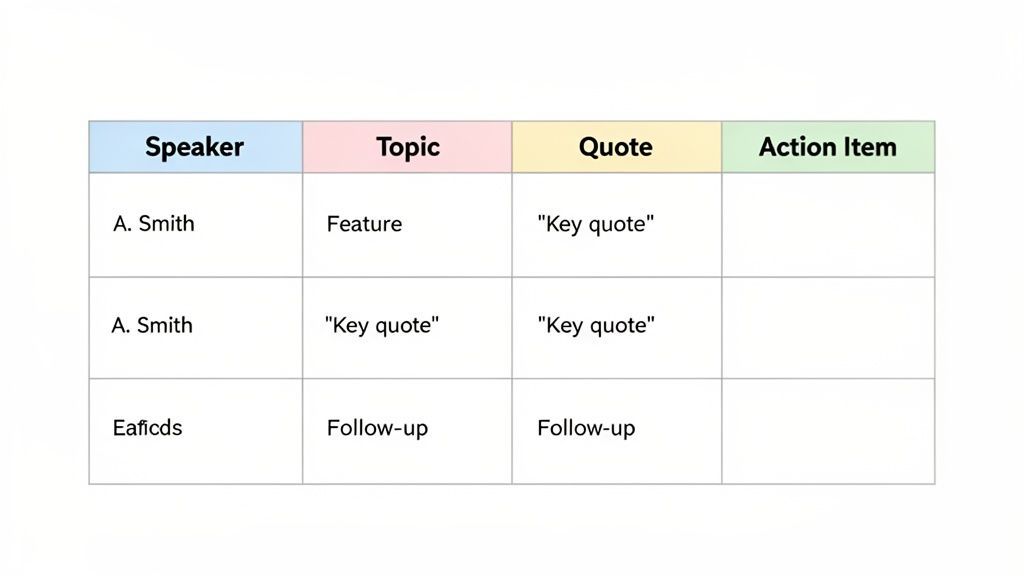
Este método se destaca ao lidar com conteúdo que tem uma estrutura uniforme, como comparar opiniões de convidados de vários transcrições de podcast ou rastrear temas recorrentes em uma série de reuniões. Ele fornece uma estrutura visual que torna informações complexas digeríveis e destaca pontos de dados-chave rapidamente. O layout lógico facilita a revisão rápida e a comparação direta, o que é difícil de alcançar com estilos de anotação lineares.
Ferramentas Que Suportam a Tomada de Notas Estruturada
IA de última geração
Alimentado pelo Whisper da OpenAI para precisão líder na indústria. Suporte para vocabulários personalizados, arquivos de até 10 horas e resultados ultra rápidos.

Importar de múltiplas fontes
Importe arquivos de áudio e vídeo de várias fontes, incluindo upload direto, Google Drive, Dropbox, URLs, Zoom e mais.
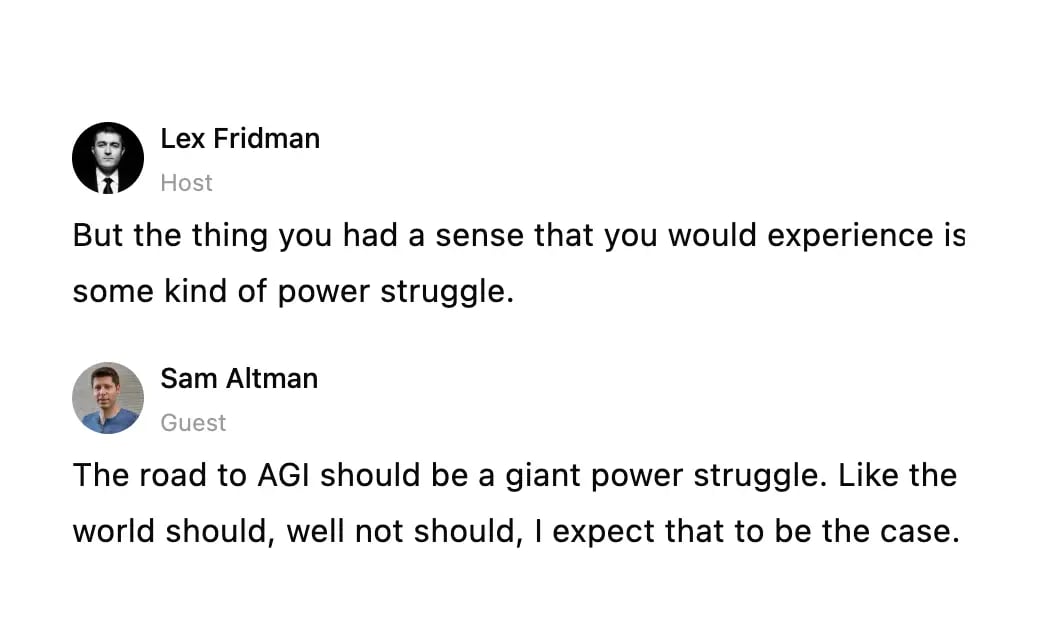
Detecção de falantes
Identifique automaticamente diferentes falantes nas suas gravações e rotule-os com seus nomes.
Melhores Casos de Uso
- Pesquisadores de Mercado: Analisando várias transcrições de entrevistas para comparar o feedback do cliente sobre recursos específicos.
- Produtores de Podcast: Acompanhando e comparando as perspectivas dos convidados sobre um tópico recorrente em diferentes episódios.
- Equipes Corporativas: Documentando itens de ação, responsáveis e prazos a partir de transcrições de reuniões semanais.
- Profissionais Jurídicos: Organizando sistematicamente depoimentos de várias transcrições de deposição para identificar consistências.
Dicas de Implementação
Para usar efetivamente o Método de Criação de Gráficos com uma transcrição, defina suas colunas antes de começar. Colunas comuns incluem Orador, Tópico, Citação Chave e Item de Ação. Use recursos de detecção de orador em ferramentas de transcrição para organizar automaticamente o conteúdo por pessoa, o que simplifica o preenchimento das linhas. Considere criar gráficos separados para diferentes propósitos analíticos, como um para decisões tomadas e outro para perguntas levantadas. Incluir uma coluna de carimbo de data/hora também é crucial para referenciar rapidamente o áudio ou vídeo original. Para facilitar a edição, você pode exportar sua transcrição para um arquivo DOCX e inserir uma tabela diretamente.
7. O Método TAG (Transcrever-Anotar-Gerar)
O Método TAG é um fluxo de trabalho moderno, aprimorado por IA, projetado para preencher a lacuna entre o conteúdo bruto de áudio ou vídeo e os resultados acionáveis. Essa abordagem utiliza a tecnologia para primeiro Transcrever a mídia, depois permite que você Anote seções chave e, finalmente, ajuda a Gerar conteúdo derivado, como resumos, questionários ou postagens de mídia social. Ele transforma a audição passiva em um processo ativo de criação de conteúdo.
Recursos Que Transformam Anotações em Ação
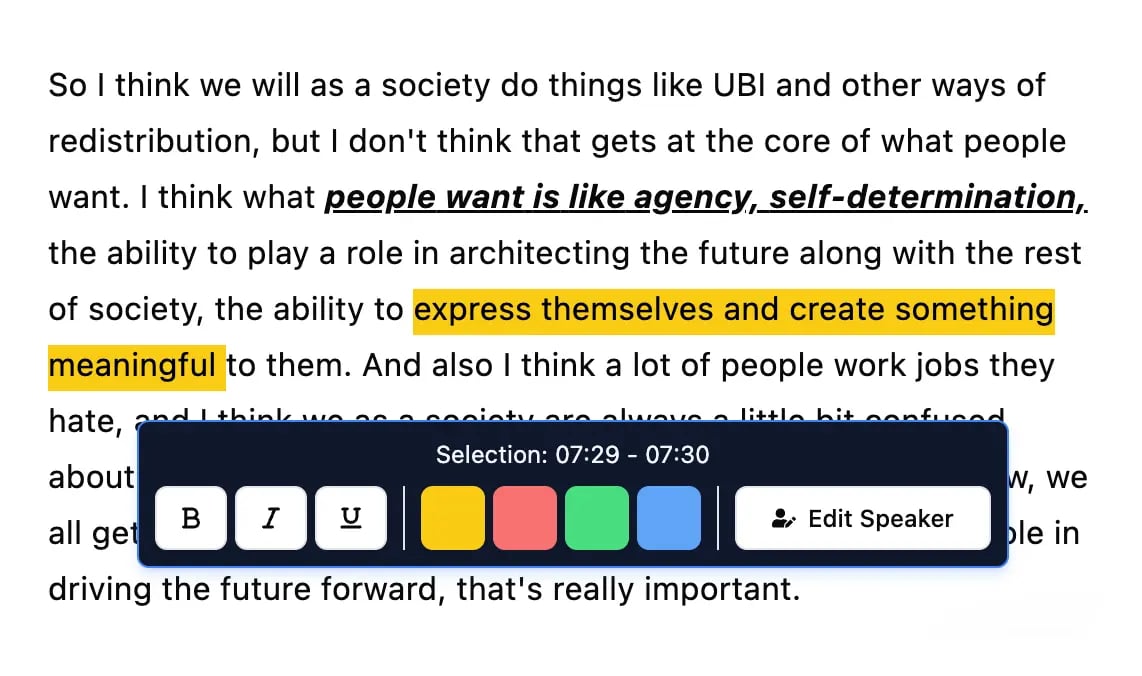
Ferramentas de edição
Edite transcrições com ferramentas poderosas incluindo buscar e substituir, atribuição de falantes, formatos de texto rico e destaque.
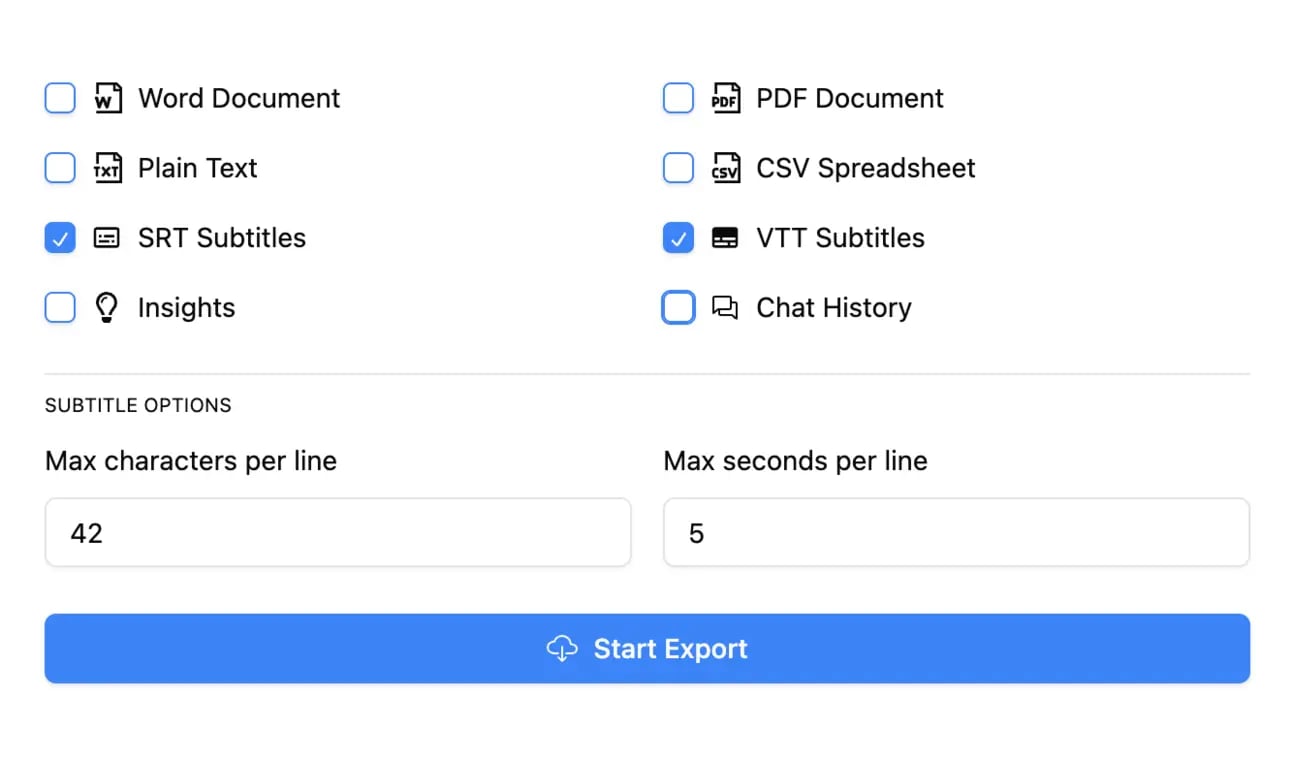
Exportar em múltiplos formatos
Exporte suas transcrições em múltiplos formatos incluindo TXT, DOCX, PDF, SRT e VTT com opções de formatação personalizáveis.
Resumos e Chatbot
Gere resumos e outros insights da sua transcrição, prompts personalizados reutilizáveis e chatbot para o seu conteúdo.
Este sistema é um dos métodos de anotação mais eficazes para profissionais que precisam reutilizar informações de forma eficiente. Ao automatizar a transcrição, você pode concentrar sua energia em tarefas de nível superior, como identificar insights cruciais e criar novos materiais. O processo otimiza a produção de conteúdo, garantindo que nenhuma informação importante de reuniões, entrevistas ou palestras seja perdida.
Melhores Casos de Uso
- Criadores de Conteúdo: Convertendo rapidamente transcrições de podcasts ou vídeos em notas detalhadas do programa, gráficos de citações e conteúdo promocional para mídias sociais.
- Profissionais de Marketing: Extraindo depoimentos de clientes, pontos problemáticos e mensagens-chave de transcrições de entrevistas para alimentar campanhas.
- Educadores: Gerando guias de estudo, perguntas de questionário e resumos de palestras gravadas para apoiar o aprendizado dos alunos.
- Equipes Corporativas: Transformando gravações de reuniões em resumos estruturados, itens de ação e comunicações de acompanhamento.
Dicas de Implementação
Para começar, carregue seu arquivo de áudio ou vídeo em um serviço de transcrição. Enquanto a transcrição estiver fresca, revise e anote as passagens mais importantes, adicionando comentários ou rótulos. Use essas anotações como base para gerar resumos, itens de ação ou outros formatos de conteúdo. Para mais insights sobre este fluxo de trabalho, você pode explorar o poder da conversão de áudio para texto impulsionada por IA. O uso de timestamps em suas anotações permite uma fácil referência de volta à gravação original.
8. O Método de Anotação de Escuta Ativa
O Método de Anotação de Escuta Ativa prioriza o engajamento total com o orador em detrimento da transcrição abrangente em tempo real. Essa abordagem muda o foco de capturar cada palavra para entender a mensagem central, as nuances e o contexto durante uma conversa ou apresentação ao vivo. Envolve fazer anotações mínimas inicialmente, como frases-chave ou perguntas, para manter a presença e, em seguida, usar uma transcrição para anotações detalhadas posteriormente.
Escrever Demais Pode Prejudicar o Entendimento
Tentar capturar tudo em tempo real muitas vezes reduz a compreensão. Separar a escuta da documentação melhora o foco e o insight.
Este método transforma a anotação de notas de uma tarefa passiva de gravação para um processo ativo de compreensão e análise. Ao separar o ato de ouvir do ato de documentação detalhada, você pode se envolver mais profundamente com o orador e o assunto, levando a insights maiores. A revisão de acompanhamento com uma transcrição completa garante que nenhum detalhe crítico seja perdido, misturando os benefícios do engajamento ativo com a manutenção de registros abrangente.
Melhores Casos de Uso
- Profissionais: Capturar os principais pontos durante entrevistas com clientes ou reuniões de equipe sem se desengajar da conversa.
- Estudantes: Absorver completamente palestras complexas e participar de discussões em sala de aula, refinando as notas de estudo posteriormente.
- Ouvintes de Podcast: Anotar pensamentos rápidos ou memorandos de voz enquanto ouve, usando depois uma transcrição para analisar o conteúdo em detalhes.
Dicas de Implementação
Primeiro, concentre-se no orador e limite suas anotações em tempo real aos conceitos mais essenciais ou às suas perguntas imediatas. Após a sessão, gere uma transcrição completa da gravação. Revise esta transcrição para preencher os detalhes que você intencionalmente pulou, corrigir quaisquer más interpretações e adicionar suas próprias reflexões. Este processo de duas etapas o torna um dos métodos de anotação mais eficazes para equilibrar presença com precisão. Para melhorar seu engajamento, explore os princípios de o que é escuta ativa e como ela aprimora a comunicação.
9. O Método de Anotação Baseado em Perguntas
O Método de Anotação Baseado em Perguntas é uma abordagem impulsionada por inquéritos que reformula o processo de anotação de gravação passiva para investigação ativa. Em vez de simplesmente transcrever informações, você estrutura suas anotações em torno de perguntas que surgem antes, durante e depois de consumir conteúdo. Este método é excepcionalmente eficaz para transformar uma transcrição em uma ferramenta dinâmica para exploração e pensamento crítico.
Esta técnica força você a se engajar com o material em um nível mais profundo, buscando respostas em vez de apenas documentar declarações. Ele transforma uma transcrição em estilo de monólogo em um diálogo interativo, promovendo a curiosidade e garantindo que seu processo de revisão se concentre em encontrar informações específicas e relevantes. Este engajamento ativo melhora significativamente tanto a compreensão quanto a memorização.
Melhores Casos de Uso
- Pesquisadores: Desenvolver perguntas de pesquisa antes de analisar as transcrições de entrevistas para guiar seu foco.
- Jornalistas: Preparar perguntas relacionadas à história para encontrar rapidamente citações e fatos importantes nas notas de entrevista.
- Estudantes: Converter transcrições de palestras em um formato de Perguntas e Respostas para criar guias de estudo poderosos para exames.
- Criadores de Conteúdo: Revisar material fonte com uma abordagem estilo FAQ para gerar novas ideias de conteúdo.
Dicas de Implementação
Comece gerando uma lista de perguntas iniciais antes mesmo de ler a transcrição. Ao revisar o conteúdo, adicione novas perguntas à medida que elas surgem. Quando você encontrar uma resposta na transcrição, documente-a junto com o carimbo de data/hora correspondente para referência rápida. Organize suas perguntas tematicamente ou por prioridade para criar uma base de conhecimento estruturada e pesquisável. Este é outro dos métodos de anotação mais eficazes para recuperação de informações direcionada.
10. O Método Híbrido Digital-Analógico
O Método Híbrido Digital-Analógico une a lacuna entre a eficiência moderna e o aprendizado tradicional, combinando a velocidade da transcrição digital com os benefícios comprovados de retenção da escrita manual. Essa abordagem envolve capturar conteúdo de áudio ou vídeo digitalmente, transcrevê-lo para precisão e pesquisabilidade, e, em seguida, escrever fisicamente os insights-chave. É um dos métodos de anotação mais eficazes para aqueles que desejam um arquivo digital abrangente e as vantagens cognitivas da criação de notas manuais.
Esta técnica combinada aproveita os pontos fortes de ambos os mundos. Ferramentas digitais oferecem velocidade, armazenamento fácil e poderosas funções de pesquisa, enquanto o ato de escrever à mão força seu cérebro a processar informações mais profundamente, melhorando significativamente a memória e a compreensão. Ao começar com uma transcrição completa, você pode concentrar seus esforços de escrita manual na síntese e análise, em vez de simplesmente capturar cada palavra.
Melhores Casos de Uso
- Estudantes: Gravar palestras, transcrevê-las e, em seguida, escrever guias de estudo ou resumos.
- Profissionais: Usar um anotador de IA para reuniões Zoom para obter uma transcrição completa, e depois escrever itens de ação e decisões-chave.
- Criadores de Conteúdo: Capturar pensamentos brutos por meio de notas de voz, transcrevê-las e, em seguida, escrever mapas mentais ou storyboards.
Dicas de Implementação
Para implementar este método, comece gravando seu áudio ou vídeo e gerando uma transcrição digital. Revise a transcrição em sua tela para identificar as seções mais cruciais. Em seguida, use esse documento digital como referência para escrever suas anotações à mão, talvez usando o método de Tópicos ou Cornell no papel. Para organização adicional, você pode imprimir a transcrição e anotá-la diretamente com canetas e marcadores. Finalmente, tire uma foto de suas anotações escritas à mão e armazene-a digitalmente ao lado da transcrição para um registro completo e integrado.
Comparação de 10 Métodos de Anotação
| Método | 🔄 Complexidade de implementação | ⚡ Recursos / eficiência | 📊 Resultados esperados | Casos de uso ideais | ⭐ Vantagens principais |
|---|---|---|---|---|---|
| O Método Cornell | Moderada — configurar layout de três seções e rotina de revisão | Tempo moderado por página; funciona bem com exportações digitais | Notas altamente organizadas; retenção aprimorada a longo prazo | Palestras, transcrições de reuniões, conversão de material de estudo | Revisão estruturada, recuperação fácil |
| A Técnica Feynman | Moderada–Alta — simplificação e teste iterativos | Demorado (múltiplas revisões); poucas necessidades tecnológicas | Compreensão conceitual profunda; resumos ensináveis | Educadores, simplificação de conteúdo, posts sociais | Revela lacunas de conhecimento; clareza de conceitos |
| O Método de Tópicos | Baixa–Moderada — identificar títulos e subtópicos | Eficiente em ferramentas digitais; configuração mínima após praticado | Notas hierárquicas escaneáveis; relacionamentos claros | Jornalistas, pesquisadores, direito, mapeamento de conhecimento | Hierarquia clara; fácil conversão para outros formatos |
| O Método de Mapeamento (Mapas Mentais) | Moderada — criar ramos radiais e conexões | Ferramentas/tempo moderados; ferramentas visuais recomendadas | Relacionamentos visualizados; descoberta de padrões | Brainstorming, equipes criativas, síntese de conceitos | Visuais memoráveis; mostra conexões de ideias |
| O Método de Frases | Baixa — escrever frases completas cronologicamente | Demorado e consome espaço; processo direto | Registros ricos em contexto, legíveis preservando nuances | Saúde, jornalismo, direito, transcrições detalhadas | Preserva contexto e significado detalhado |
| O Método de Tabelas | Moderada — requer colunas/estrutura pré-planejada | Eficiente para comparação; configuração inicial necessária | Comparações sistemáticas; tabelas de referência rápida | Transcrições de múltiplos oradores, comparações de pesquisa, rastreamento | Excelente para comparação lado a lado e padrões |
| O Método TAG (Transcrever-Anote-Gerar) | Alta — configuração de fluxo de trabalho de IA de várias etapas e anotações | Alta eficiência após configuração; depende de ferramentas e precisão | Múltiplos resultados derivados (resumos, quizzes, posts) rapidamente | Podcasters, profissionais de marketing, educadores, equipes de alto volume | Automatiza a produção de conteúdo; alto ROI de transcrições |
| Anotação de Escuta Ativa | Baixa–Moderada — pausa disciplinada e captura seletiva | Eficiente para engajamento; precisa de revisão de transcrição pós-sessão | Principais pontos focados; melhor engajamento com o orador | Ouvintes, participantes de reuniões, estudantes | Mantém a atenção; reduz a sobrecarga de informações |
| Método Baseado em Perguntas | Moderada — requer formulação habilidosa de perguntas | Demorado, mas direcionado; usa recursos de pesquisa | Guias de Perguntas e Respostas, lacunas identificadas, caminhos de aprendizado focados | Pesquisadores, estudantes, jornalistas, preparação para exames | Incentiva o pensamento crítico; cria guias de estudo |
| Método Híbrido Digital-Analógico | Alta — gerenciar sincronização entre papel e digital | Demorado; precisa de múltiplos dispositivos/materiais | Alta retenção mais pesquisabilidade digital | Aprendizes cinestésicos/visuais, preparação para exames, planejamento criativo | Combina retenção de escrita com organização digital |
Escolhendo Seu Método e Transformando Notas em Ação
Exploramos um conjunto de ferramentas abrangente de dez métodos de anotação distintos e eficazes, desde a lógica estruturada do Método Cornell até a liberdade criativa do Mapeamento Mental e a precisão especializada do Método TAG. A jornada por esses sistemas revela uma verdade fundamental: não existe um único método "melhor" para todos. A técnica mais poderosa é aquela que se integra perfeitamente ao seu fluxo de trabalho, se alinha ao seu estilo de aprendizado e atende aos seus objetivos específicos.
A Tomada de Notas Se Tornou uma Habilidade Estratégica
Os sistemas mais eficazes de hoje combinam técnicas cognitivas com suporte digital. O objetivo é insight, velocidade e reutilização — não apenas armazenamento.
Sua tarefa agora não é dominar todas as dez, mas identificar aquela ou aquelas que mais ressoam. Você é um aprendiz visual que precisa ver conexões? O Método de Mapeamento é o seu ponto de partida ideal. Você precisa destilar assuntos complexos para um entendimento profundo? A Técnica Feynman será uma aliada inestimável. Você é um jornalista ou pesquisador gerenciando grandes quantidades de dados de entrevistas? O Método de Gráficos ou o Método TAG fornece a estrutura que você precisa.
Da Captura Passiva à Criação Ativa
O objetivo final de anotações eficazes não é simplesmente criar um arquivo estático de informações. É sobre transformar dados brutos em insights acionáveis, novas ideias e progresso mensurável. Essa mudança da gravação passiva para a criação ativa é a marca de um sistema verdadeiramente eficaz. Suas anotações devem ser um espaço de trabalho dinâmico, não uma biblioteca empoeirada.
Para iniciar essa transição, siga estas etapas acionáveis:
- Selecione e Experimente: Escolha dois métodos desta lista que pareçam mais promissores para suas tarefas típicas, seja participar de uma reunião corporativa, ouvir um podcast educacional ou planejar um projeto criativo.
- Comprometa-se com um Período de Teste: Use cada método exclusivamente por uma semana. Este teste dedicado lhe dará uma noção genuína de seus pontos fortes e fracos em cenários do mundo real.
- Revise e Refine: Ao final do seu experimento, pergunte-se: Este método me ajudou a permanecer engajado? Foi fácil revisar minhas anotações? Eu gerei novas ideias a partir delas? Use essas respostas para refinar sua abordagem ou tentar um método diferente.
- Integre a Tecnologia Estrategicamente: Lembre-se de que as ferramentas modernas podem amplificar qualquer método. Automatizar a captura inicial de informações permite que você dedique toda a sua energia mental às tarefas mais críticas de análise, síntese e criação de conexões.
O poder de dominar métodos eficazes de anotações se estende muito além de simplesmente ter anotações mais organizadas. Ele aprimora sua capacidade de aprender, aguçar seu pensamento crítico e impulsionar sua produtividade profissional. Ao passar de um ouvinte passivo para um participante ativo em seu próprio aprendizado e trabalho, você constrói um sistema que consistentemente oferece clareza e gera resultados. O sistema perfeito está esperando que você o construa.
Pronto para turbinar seu processo de anotações? Muitos dos métodos que discutimos, especialmente os métodos TAG e de Escuta Ativa, começam com uma transcrição perfeita e limpa. Transcript.LOL fornece transcrições rápidas, precisas e acessíveis para seu áudio e vídeo, dando a você a base ideal para aplicar essas técnicas poderosas. Visite Transcript.LOL para automatizar sua captura e focar no que realmente importa: compreensão e criação.