
10 Potentes estrategias de marketing de podcasts para crecer en 2025
Descubre 10 estrategias de marketing de podcasts accionables para hacer crecer tu audiencia. Aprende a aprovechar el SEO, las redes sociales y las colaboraciones para ampliar tu alcance.
Kate, Praveen
September 8, 2025
Crear un gran podcast es solo la mitad de la batalla. La otra mitad es conseguir que la gente realmente lo escuche. En un panorama de audio abarrotado donde más de tres millones de podcasts compiten por la atención, simplemente publicar un nuevo episodio y esperar lo mejor es una estrategia destinada al silencio. Para construir una audiencia dedicada, necesitas un enfoque deliberado y multifacético que corte el ruido y conecte con tu público ideal. Esto requiere más que solo buen contenido; exige una promoción inteligente y constante.
Esta guía va más allá de consejos genéricos como "comparte en redes sociales". En su lugar, profundizaremos en 10 estrategias de marketing de podcasts potentes y probadas en el campo que los creadores exitosos utilizan para construir seguidores masivos. No solo estamos enumerando ideas; estamos proporcionando un plano. Cada estrategia se desglosa en pasos accionables, ejemplos del mundo real y consejos de implementación diseñados para ayudarte a expandir tu audiencia, aumentar la participación y transformar tu podcast de un pasatiempo a un programa imperdible.
Aprenderás a aprovechar todo, desde notas de programa optimizadas para SEO que atraen tráfico de búsqueda orgánica hasta intercambios estratégicos de invitados que presentan tu programa a miles de oyentes nuevos y relevantes. Cubriremos cómo reutilizar tu audio en una docena de formatos de contenido diferentes, construir una comunidad próspera en torno a tu marca y forjar asociaciones que amplifiquen tu alcance exponencialmente. Estas son las tácticas que convierten a los oyentes pasivos en defensores apasionados. Si estás listo para dejar de adivinar y empezar a crecer, exploremos los marcos de marketing que amplificarán tu voz y construirán una plataforma poderosa para tu mensaje.
1. Forja Alianzas con Promoción Cruzada e Intercambio de Invitados
La promoción cruzada es una de las estrategias de marketing de podcasts más orgánicas y efectivas disponibles. Implica asociarse con otro podcast, típicamente uno en un nicho similar o con un tamaño de audiencia comparable, para promocionar los programas de cada uno. Esta colaboración aprovecha directamente una base de oyentes preexistente y comprometida que ya está acostumbrada al formato de podcast, lo que hace que sea muy probable que se conviertan.
El principio fundamental es el beneficio mutuo. En lugar de competir, colaboran para compartir audiencias, creando un escenario en el que todos ganan, donde ambos programas amplían su alcance sin ningún gasto directo en publicidad. Este enfoque construye valiosas conexiones en la industria y presenta tu contenido a nuevos oyentes en un contexto en el que ya confían.
Cómo Implementar Esta Estrategia
Una promoción cruzada efectiva va más allá de un simple saludo. Considera estos métodos accionables:
- Intercambio de Invitados: El enfoque más común es aparecer como invitado en su programa mientras ellos aparecen en el tuyo. Esto proporciona una introducción profunda y auténtica para tu marca personal y tu podcast a una nueva audiencia.
- Intercambio de Anuncios: Puedes intercambiar espacios publicitarios pre-roll o mid-roll. Grabas un breve anuncio promocional para su podcast y ellos hacen lo mismo para el tuyo. Esta es una forma rápida y escalable de dar a conocer tu programa.
- Feed Drops: Esto implica publicar un episodio completo del podcast de tu socio directamente en tu propio feed. Le da a tu audiencia una muestra completa del contenido del otro programa, lo que lo convierte en un poderoso respaldo.
Por ejemplo, los podcasts de crímenes reales My Favorite Murder y Morbid: A True Crime Podcast han utilizado con éxito apariciones de invitados y recomendaciones casuales al aire para polinizar cruzadamente sus audiencias masivas, fortaleciendo sus posiciones dentro del género.
Perspicacia Clave: Comienza identificando 5-10 podcasts que sean similares en tamaño y tema al tuyo. Comunícate con un discurso personalizado que explique claramente los beneficios mutuos de una posible colaboración. Enfócate en construir una relación genuina primero. Este enfoque colaborativo es una piedra angular del crecimiento sostenible de podcasts.
2. Amplificación de Contenido en Redes Sociales
La Amplificación de Contenido en Redes Sociales es una poderosa estrategia de marketing de podcasts que implica atomizar un solo episodio de podcast en numerosas piezas de contenido más pequeñas para varias plataformas sociales. En lugar de simplemente publicar un enlace a tu nuevo episodio, reutilizas estratégicamente sus momentos más valiosos para maximizar el alcance, la participación y el crecimiento de la audiencia. Este método convierte una grabación de formato largo en activos de marketing para una semana.

La idea principal es encontrar a los oyentes potenciales donde ya están: desplazándose por sus feeds de redes sociales favoritos. Al presentar tu contenido en formatos nativos como clips de video cortos, audiogramas y gráficos de citas, lo haces fácilmente consumible y compartible, lo que impulsa el descubrimiento orgánico y dirige el tráfico de regreso a tus episodios completos.
Cómo Implementar Esta Estrategia
Una estrategia de amplificación exitosa requiere un sistema para identificar y crear contenido. Considera estos métodos accionables:
- Crea Clips de Video y Audiogramas: Extrae fragmentos de video o audio cortos y atractivos de 30 a 60 segundos de tu episodio. Agrega formas de onda animadas, titulares y subtítulos para crear publicaciones muy atractivas para Instagram, TikTok y LinkedIn. Para más detalles sobre este proceso, puedes encontrar información sobre cómo crear subtítulos para videos.
- Diseña Gráficos de Citas: Extrae citas poderosas, estadísticas o puntos clave de tu episodio y conviértelos en gráficos visualmente atractivos. Estos son perfectos para plataformas como Instagram, Facebook y Pinterest.
- Escribe Contenido Complementario: Reutiliza los temas del episodio en un artículo de LinkedIn, un hilo de Twitter o una serie de Historias de Instagram. Esto te permite expandir puntos clave y interactuar con tu audiencia en un formato basado en texto.
Por ejemplo, el equipo de Gary Vaynerchuk es famoso por convertir una sola conferencia magistral o episodio de podcast en docenas de publicaciones únicas en redes sociales, cada una adaptada a una plataforma específica. De manera similar, el podcast The Daily Show edita expertamente los momentos destacados de sus episodios para crear momentos virales en Twitter, impulsando la conversación y la audiencia.
Perspicacia Clave: No te limites a anunciar tu episodio; desglósalo. Intenta crear 5-10 activos distintos para redes sociales de cada episodio de podcast que produzcas. Utiliza un calendario de contenido para programar estas publicaciones a lo largo de la semana, asegurando que maximices la visibilidad y la vida útil de tu contenido principal.
3. Notas de Programa y Transcripciones Optimizadas para SEO
El audio es poderoso, pero los motores de búsqueda como Google entienden y clasifican principalmente el texto. Crear notas de programa y transcripciones optimizadas para SEO es una estrategia crítica de marketing de podcasts que convierte tus palabras habladas en contenido escrito y descubrible. Esta práctica desbloquea un nuevo canal masivo para el crecimiento de la audiencia al permitir que los oyentes potenciales encuentren tus episodios a través de la búsqueda orgánica.
El principio fundamental es hacer que tu contenido de audio sea accesible para los rastreadores de los motores de búsqueda. Al proporcionar una versión textual de tu episodio, creas un activo que puede clasificarse para palabras clave específicas, responder a las consultas de los usuarios y generar tráfico constante a tu sitio web de podcasts mucho después de que se publique un episodio. Esto transforma cada episodio de un archivo de audio independiente a una herramienta de marketing duradera y perenne.
Cómo Implementar Esta Estrategia
Una estrategia de SEO bien ejecutada para tus notas de programa implica más que una transcripción en bruto. Considera estos métodos accionables:
- Resúmenes Ricos en Palabras Clave: Escribe un resumen detallado del episodio al estilo de una publicación de blog. Investiga e incorpora de forma natural palabras clave y frases que tu público objetivo podría usar para encontrar contenido como el tuyo.
- Transcripciones Completas con Marcas de Tiempo: Proporciona una transcripción completa y precisa del episodio. Incluir marcas de tiempo permite a los usuarios navegar fácilmente a secciones específicas del audio, mejorando la experiencia del usuario. Puedes encontrar guías detalladas sobre cómo agregar una transcripción con código de tiempo en transcript.lol.
- Vinculación Exhaustiva de Recursos: Tus notas de programa deben incluir enlaces a todos los recursos, herramientas, libros y sitios web de invitados mencionados en el episodio. Esto agrega valor para el oyente y crea una página de recursos completa y digna de enlaces.
Por ejemplo, el podcast Smart Passive Income de Pat Flynn proporciona notas de programa exhaustivas que funcionan como publicaciones de blog independientes, completas con puntos clave, marcas de tiempo y transcripciones completas. Este enfoque garantiza que su contenido sea muy visible en los motores de búsqueda, atrayendo a nuevos oyentes que buscan consejos comerciales específicos cubiertos en sus episodios.
Perspicacia Clave: Trata tu página de notas de programa como un contenido principal, no como una ocurrencia tardía. Utiliza herramientas como Otter.ai o Rev.com para la transcripción, luego edita manualmente para garantizar la precisión y la legibilidad. Optimiza el título de la página, la meta descripción y los encabezados con tus palabras clave objetivo para maximizar su potencial de búsqueda.
Transcripción más inteligente, creada para podcasters
IA de última generación
Impulsado por Whisper de OpenAI para una precisión líder en la industria. Soporte para vocabularios personalizados, archivos de hasta 10 horas y resultados ultra rápidos.

Importar desde múltiples fuentes
Importa archivos de audio y video desde diversas fuentes, incluyendo carga directa, Google Drive, Dropbox, URLs, Zoom y más.
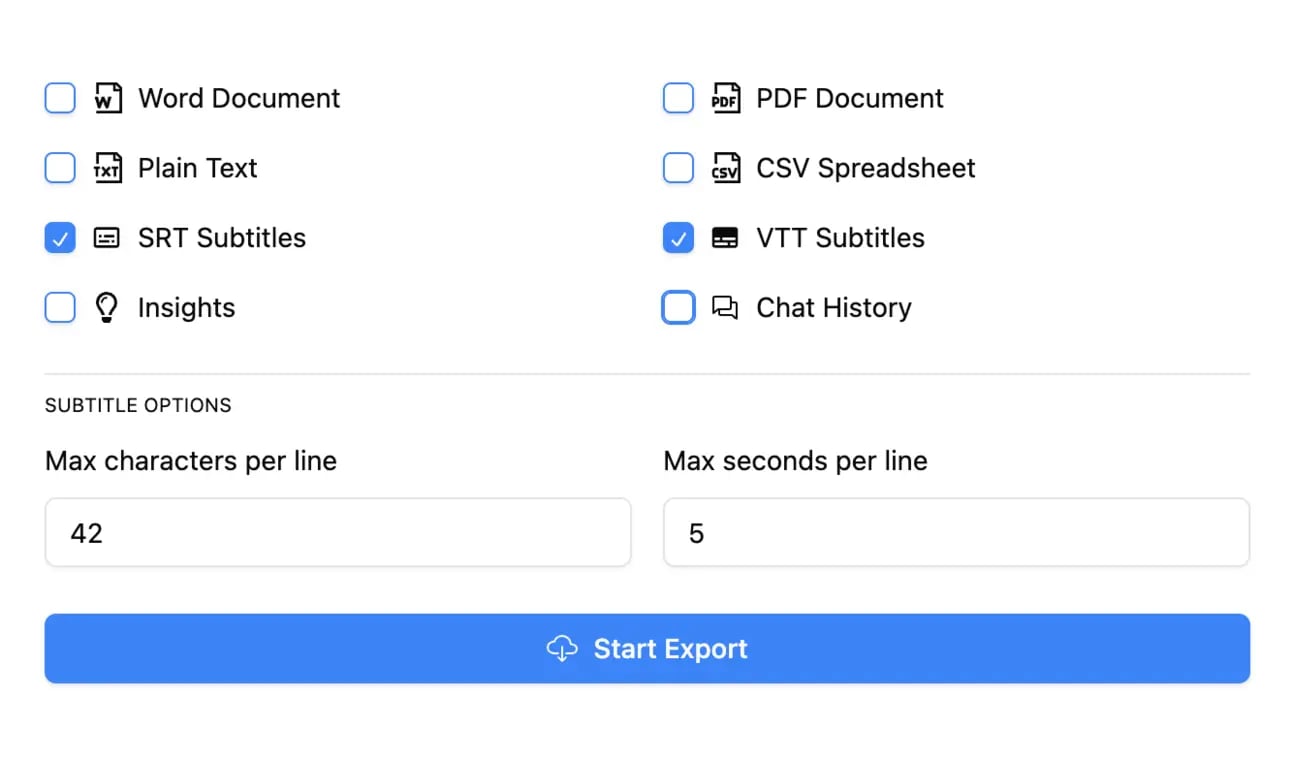
Exportar en múltiples formatos
Exporta tus transcripciones en múltiples formatos incluyendo TXT, DOCX, PDF, SRT y VTT con opciones de formato personalizables.
4. Integración de Marketing por Correo Electrónico
El marketing por correo electrónico es una herramienta poderosa para transformar oyentes ocasionales en una comunidad leal y comprometida. Esta estrategia implica construir una lista de correo electrónico directamente desde tu audiencia de podcast, lo que te permite crear una línea de comunicación directa que posees y controlas. A diferencia de los algoritmos de redes sociales o las funciones de descubrimiento de aplicaciones de podcast, el correo electrónico garantiza que tu mensaje llegue directamente a la bandeja de entrada de tus suscriptores, fomentando relaciones más profundas y generando una audiencia constante.
El principio fundamental es proporcionar valor más allá de tu contenido de audio. Al ofrecer recursos exclusivos, información detrás de escena o acceso anticipado a episodios por correo electrónico, le das a los oyentes una razón convincente para suscribirse. Esto no solo promociona nuevos episodios de manera efectiva, sino que también crea una plataforma para la monetización, la retroalimentación y la construcción de comunidad, lo que la convierte en una de las estrategias de marketing de podcast más confiables para el crecimiento a largo plazo.
Cómo Implementar Esta Estrategia
Una estrategia de correo electrónico exitosa requiere un claro intercambio de valor. Considera estos métodos prácticos:
- Crea un Imán de Clientes Potenciales Atractivo: Ofrece un recurso gratuito valioso en tus episodios de podcast, como una lista de verificación en PDF, una plantilla exclusiva o un clip de audio adicional, que los oyentes solo pueden obtener al suscribirse a tu lista de correo electrónico.
- Segmenta tu Audiencia: A medida que tu lista crece, segmenta a los suscriptores según sus intereses o los temas que los llevaron a suscribirse. Esto te permite enviar contenido más específico y relevante, aumentando la participación.
- Automatiza una Secuencia de Bienvenida: Configura una serie de correos electrónicos automatizados para nuevos suscriptores. Esta secuencia puede presentarles tus episodios pasados más populares, compartir la historia de origen de tu podcast y establecer expectativas para correos electrónicos futuros.
Por ejemplo, Tim Ferriss utiliza magistralmente su boletín 5-Bullet Friday para promocionar sutilmente nuevos episodios de podcast junto con otro contenido valioso, manteniendo a su audiencia comprometida. De manera similar, John Lee Dumas de Entrepreneurs on Fire envía correos electrónicos diarios con resúmenes de podcast y recursos, creando un poderoso hábito diario para sus oyentes.
Idea Clave: Tu llamado a la acción es crucial. En lugar de simplemente decir "únete a mi boletín", indica claramente qué recibirá el oyente. Por ejemplo, "Ve a miwebsite.com para obtener la lista de verificación gratuita de 10 puntos que mencioné en el episodio de hoy". Este enfoque específico y centrado en el valor aumentará drásticamente tu tasa de suscripción.
Consejo profesional
Tu lista de correo electrónico es el único canal que realmente posees. A diferencia de las redes sociales, ningún algoritmo se interpone entre tú y tu audiencia.
5. Creación y Participación de la Comunidad
Una de las estrategias de marketing de podcasts más potentes es transformar a tus oyentes pasivos en una comunidad activa y comprometida. Esto implica crear espacios en línea dedicados donde tu audiencia pueda interactuar contigo y, lo que es más importante, entre sí. Al fomentar un sentido de pertenencia, construyes una base de oyentes leales que no solo sintonizan cada semana, sino que también se convierten en un poderoso motor de promoción orgánica de boca en boca.
Esta estrategia va más allá de la comunicación unidireccional de un episodio de podcast y crea un diálogo bidireccional. Una comunidad próspera hace que los oyentes sientan que forman parte de algo más grande que solo un programa; son parte de una tribu. Esto profundiza su conexión con tu marca, aumenta la retención y proporciona comentarios invaluables para guiar tu creación de contenido.

Cómo Implementar Esta Estrategia
Construir una comunidad requiere un esfuerzo deliberado y constante. Se trata de proporcionar valor más allá de tu contenido de audio. Considera estos métodos prácticos:
- Elige tu Plataforma: Selecciona una plataforma que se alinee con los hábitos de tu audiencia. Las opciones comunes incluyen un Grupo de Facebook dedicado, un servidor de Discord en tiempo real, un subreddit centrado en temas o una plataforma premium como Circle o Mighty Networks.
- Participación Dirigida por el Anfitrión: Tu presencia es crucial, especialmente en las primeras etapas. Participa activamente en las discusiones, haz preguntas, realiza encuestas y organiza sesiones exclusivas de preguntas y respuestas o eventos en vivo para que los miembros se sientan vistos y valorados.
- Empodera a los Superfans: Identifica a tus miembros más activos y empodéralos como moderadores o líderes de la comunidad. Esto ayuda a escalar tus esfuerzos de participación y refuerza el sentido de propiedad compartida entre los oyentes.
- Crea Contenido Exclusivo: Ofrece beneficios para los miembros de la comunidad, como acceso anticipado a episodios, contenido adicional, metraje detrás de cámaras o descuentos exclusivos en mercancía. Esto incentiva unirse y mantenerse activo.
Por ejemplo, el podcast Smart Passive Income de Pat Flynn tiene una comunidad de Facebook muy activa donde los emprendedores intercambian ideas y se apoyan mutu mutuamente. De manera similar, muchos podcasts de crímenes reales han generado vibrantes comunidades en Reddit donde los oyentes analizan episodios y comparten teorías, extendiendo la vida de cada episodio mucho más allá de su duración.
Idea Clave: Una comunidad exitosa se construye sobre pautas claras y una moderación constante. Establece reglas de conducta desde el primer día para garantizar que el espacio siga siendo positivo y esté centrado en el tema. Utiliza los comentarios y las preguntas de tu comunidad para informar directamente los temas de tus futuros episodios, creando un poderoso bucle de retroalimentación que garantice que tu contenido siempre resuene.
Formas de mantener próspera tu comunidad
👋 Da la bienvenida a nuevos miembros
Saluda a los recién llegados con publicaciones fijadas o hilos de presentación para que se sientan como en casa.
📅 Organiza eventos en vivo
Realiza sesiones mensuales de "Pregúntame lo que quieras" o de preguntas y respuestas para mantener alta la participación.
🏆 Recompensa a los superfans
Destaca a los miembros activos con menciones o roles exclusivos.
📢 Comparte contenido detrás de cámaras
Ofrece a tu comunidad acceso anticipado a actualizaciones o adelantos de próximos episodios.
6. Implementar una Estrategia de Invitados Influencers y Celebridades
Reservar invitados de alto perfil es una poderosa estrategia de marketing de podcasts diseñada para aprovechar la fama y la audiencia existentes de un individuo para impulsar el crecimiento de tu programa. Este enfoque implica presentar expertos de la industria, influencers o celebridades reconocidas que aportan su seguimiento establecido y credibilidad, proporcionando un impulso instantáneo y significativo a tu visibilidad.
El principio fundamental es la transferencia de audiencia. Cuando una figura prominente aparece en tu programa, a menudo promociona el episodio a su propia base de fans, que puede ser de miles o incluso millones de personas. Esto expone tu podcast a una nueva audiencia masiva y relevante de una manera muy convincente, ya que viene con el respaldo implícito de alguien a quien ya siguen y en quien confían.
Cómo Implementar Esta Estrategia
Conseguir y aprovechar con éxito a un invitado importante requiere un enfoque estratégico y profesional. Considera estos métodos accionables:
- Comienza con Contactos por Niveles: No apuntes a celebridades de primer nivel desde el primer día. Comienza dirigiéndote a influencers de nivel medio o expertos respetados en tu nicho. Un historial de entrevistas de calidad con estas personas construye la credibilidad de tu programa, haciéndolo más atractivo para nombres más importantes más adelante.
- Elabora un Pitch Convincente: Tu comunicación debe ser concisa y orientada a los beneficios. Explica claramente quién es tu audiencia, por qué estarían interesados en el invitado y qué gana el invitado con la aparición (por ejemplo, promocionar un nuevo libro, proyecto o idea). Personaliza cada pitch individual.
- Coordina un Plan de Promoción: El trabajo no termina después de grabar. Antes de que se emita el episodio, acuerda un plan de promoción con tu invitado. Proporciónale activos prefabricados como clips de audio, gráficos de citas y enlaces para que compartir con su audiencia sea lo más fácil posible.
Programas como The Tim Ferriss Show y The Joe Rogan Experience se construyeron sobre este mismo modelo. Presentan consistentemente a artistas de talla mundial y pensadores influyentes, utilizando las enormes plataformas de sus invitados como un motor principal para la adquisición de audiencia y solidificando su estatus como podcasts de primer nivel.
Clave: Enfócate en lo que beneficia al invitado. Enmarca tu invitación en torno a darles una plataforma para compartir un proyecto apasionante, discutir un nuevo libro o llegar a un grupo demográfico objetivo. Una propuesta bien investigada y mutuamente beneficiosa tiene muchas más probabilidades de obtener un "sí" que una simple solicitud de fan.
7. Publicidad Pagada y Colocación de Patrocinios
Si bien el crecimiento orgánico es poderoso, invertir estratégicamente en publicidad pagada puede acelerar significativamente la adquisición de audiencia y llegar a grupos demográficos altamente segmentados. Esta estrategia de marketing de podcasts implica asignar un presupuesto para promocionar tu programa en varias plataformas, desde redes sociales hasta otros podcasts, convirtiendo la inversión financiera directamente en crecimiento de oyentes. Te permite evitar el proceso más lento de descubrimiento orgánico y colocar tu podcast directamente frente a tu audiencia ideal.
El principio central es la precisión y la escala. A diferencia de los métodos orgánicos que dependen de algoritmos o del boca a boca, la publicidad pagada te da control sobre quién ve tu promoción, cuándo la ve y cómo la ve. Esto lo convierte en una herramienta invaluable para lanzar un nuevo programa, promocionar un episodio clave o ingresar a un nicho competitivo donde la visibilidad orgánica es difícil de lograr.
Cómo Implementar Esta Estrategia
Una campaña pagada exitosa requiere más que solo impulsar una publicación. Considera estos enfoques enfocados:
- Colocaciones de Patrocinios: Compra espacios publicitarios (pre-roll, mid-roll) en otros podcasts que tu audiencia objetivo ya escucha. Esto aprovecha la credibilidad del anfitrión y presenta tu programa a una audiencia comprometida y conocedora de podcasts. Plataformas como Midroll y AdvertiseCast facilitan estas colocaciones.
- Anuncios en Redes Sociales: Utiliza plataformas como Instagram, Facebook o TikTok para ejecutar campañas dirigidas. Crea audiogramas o clips de video convincentes de tus mejores momentos y segmenta a los usuarios según sus intereses, datos demográficos y hábitos de escucha.
- Publicidad en Aplicaciones de Podcasts: Anúnciate directamente dentro de aplicaciones de escucha de podcasts como Spotify u Overcast. Este método coloca tu programa frente a los usuarios en el momento exacto en que buscan contenido nuevo para consumir, lo que genera tasas de conversión muy altas.
Por ejemplo, MasterClass utiliza eficazmente anuncios de video dirigidos en redes sociales para promocionar su podcast, convirtiendo el contenido educativo en un poderoso imán de prospectos para su servicio de suscripción principal. De manera similar, marcas como Casper construyeron una gran conciencia patrocinando consistentemente una amplia gama de podcasts populares en sus primeros días.
Clave: Comienza con un presupuesto pequeño y testeable para experimentar con diferentes plataformas y creatividades publicitarias. Rastrea meticulosamente tu costo por adquisición (CPA) para comprender qué está funcionando. Una vez que encuentres un canal rentable, puedes escalar tu inversión con confianza para un crecimiento predecible.
8. Series de Contenido y Campañas Estacionales
Más allá de un flujo interminable de episodios independientes, estructurar tu contenido en series temáticas o temporadas es una poderosa estrategia de marketing de podcasts que genera anticipación y lealtad del oyente. Este enfoque trata tu podcast como un programa de televisión, con arcos distintos, ciclos promocionales y un principio y fin claros. Esto crea escasez y urgencia, alentando a los oyentes a sintonizar consistentemente para no perderse nada.
Este modelo estacional transforma la escucha pasiva en una experiencia activa basada en eventos. Al agrupar episodios en torno a un tema, evento o narrativa específica, creas un viaje más cohesivo y memorable para tu audiencia. Proporciona oportunidades naturales para la promoción dirigida y ayuda a prevenir la fatiga de contenido tanto para ti como para tus oyentes.

Cómo Implementar Esta Estrategia
Una serie de contenido exitosa requiere planificación y una estrategia de promoción clara. Considera estos métodos para aportar una estructura estacional a tu programa:
- Temporadas Temáticas: Dedica una temporada completa a explorar un tema amplio desde múltiples ángulos. Por ejemplo, un podcast de negocios podría tener una temporada centrada completamente en "Financiamiento de Startups".
- Arcos Narrativos: Estructura una temporada en torno a una única historia en desarrollo. Este es el modelo que convirtió al podcast Serial en un fenómeno global, con cada episodio basándose en el anterior.
- Series Basadas en Eventos: Crea una serie de duración limitada en torno a un evento cultural importante, festividad o conferencia de la industria. El podcast de The New York Times, The Daily, a menudo produce series de varias partes que cubren eventos noticiosos significativos a medida que se desarrollan.
- Campañas Promocionales: Lanza cada nueva temporada con una campaña dedicada. Esto incluye crear arte de serie único, episodios de avance, teasers en redes sociales y anuncios por correo electrónico para generar expectación antes de que se publique el primer episodio.
Por ejemplo, Conan O’Brien Needs a Friend ha creado series de viajes especiales, como sus episodios grabados en Irlanda, que sirven como mini-temporadas dentro de su formato regular. Esto crea un evento de escucha distinto que atrae tanto a fans existentes como a nuevos.
Clave: Planifica tu calendario de contenido en temporadas o arcos de varios episodios. Antes de que comience una temporada, crea un kit de herramientas promocional que incluya un avance, arte único y activos para redes sociales. Utiliza cliffhangers y teasers entre episodios para mantener el impulso y construir un hábito de escucha dedicado y programado entre tu audiencia.
9. Reutilización de Contenido Multi-Formato
Una de las estrategias de marketing de podcasts más eficientes y potentes es dejar de pensar en un episodio como una única pieza de contenido. En su lugar, considera cada grabación como una mina de oro de contenido que puede ser reutilizada en docenas de activos. Este enfoque, conocido como reutilización de contenido multi-formato, implica transformar sistemáticamente una grabación de audio de formato largo en una variedad de formatos adaptados para diferentes plataformas.
Este enfoque maximiza el valor y el alcance del esfuerzo que ya has invertido en crear tu episodio principal. Al dividir tu contenido en piezas más pequeñas y nativas de la plataforma, puedes atraer a audiencias en YouTube, Instagram, LinkedIn y tu blog, todo mientras diriges tráfico de regreso a tu podcast principal. Te permite estar aparentemente en todas partes sin tener que crear contenido original para cada canal.
Cómo Implementar Esta Estrategia
Un flujo de trabajo sistemático es clave para hacer que la reutilización sea manejable y efectiva. No te limites a cortar tu episodio al azar; sé estratégico sobre cómo y dónde distribuyes el contenido.
- Crea Clips de Video para Redes Sociales: Identifica los segmentos más impactantes de 30 a 90 segundos de tu episodio. Utiliza herramientas como Canva o software de edición de video para agregar subtítulos, un titular y tu marca, y luego compártelos como Reels, Shorts y TikToks.
- Escribe una Publicación de Blog Detallada: Utiliza la transcripción de tu episodio como base para una publicación de blog o artículo completo. Amplía los temas clave, incrusta el reproductor de episodios completo y optimízalo para motores de búsqueda para atraer nuevos oyentes a través de Google.
- Diseña Gráficos de Citas y Audiogramas: Extrae citas poderosas o puntos clave de tu episodio. Crea gráficos visualmente atractivos para los feeds e historias de Instagram o conviértelos en audiogramas (una imagen estática con una onda de audio animada) para compartir en redes sociales.
Este modelo ha sido popularizado por emprendedores como Gary Vaynerchuk, cuyo equipo crea famosamente más de 30 piezas de contenido a partir de una sola conferencia magistral o episodio de podcast. De manera similar, Lewis Howes reutiliza magistralmente sus entrevistas de The School of Greatness en videos convincentes de YouTube y contenido de Instagram. Puedes obtener más información sobre el desarrollo de un sistema robusto con estas estrategias de reutilización de contenido.
Clave: Crea una lista de verificación de reutilización de contenido inmediatamente después de terminar de grabar un episodio. Esto debería describir cada activo que crearás, desde clips de video y tarjetas de citas hasta una publicación de blog completa. Un proceso estructurado convierte esta poderosa estrategia de una idea abrumadora a un motor de marketing escalable.
Lleva la transcripción al siguiente nivel

Detección de hablantes
Identifica automáticamente diferentes hablantes en tus grabaciones y etiquétalos con sus nombres.
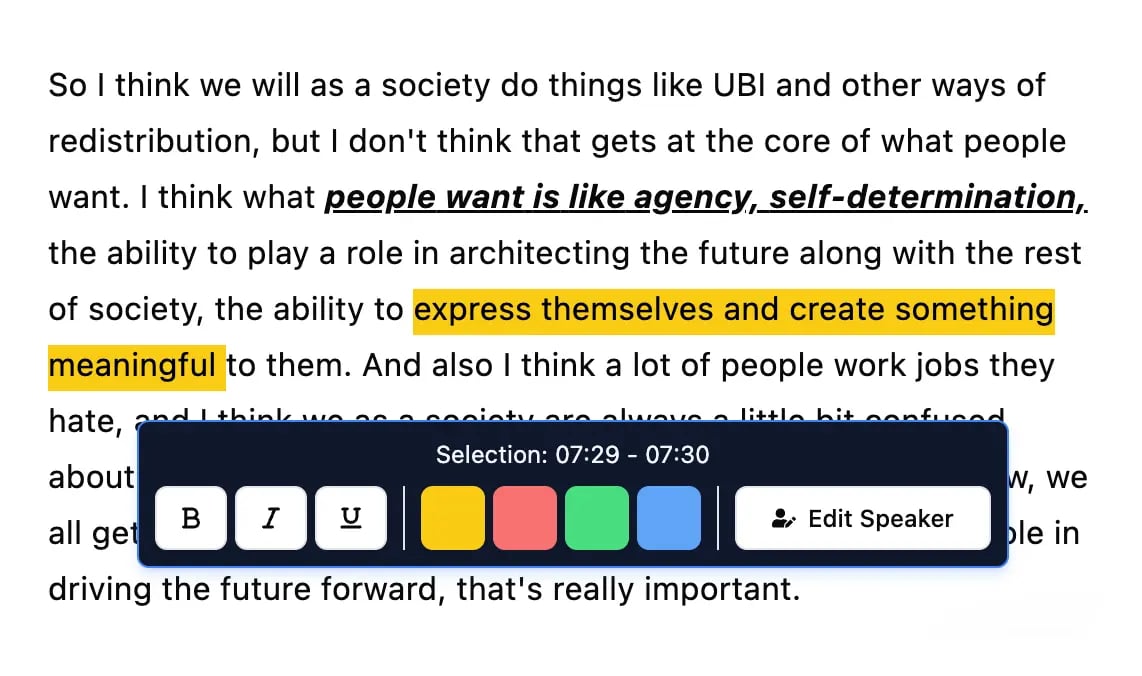
Herramientas de edición
Edita transcripciones con herramientas potentes como buscar y reemplazar, asignación de hablantes, formatos de texto enriquecido y resaltado.
Resúmenes y Chatbot
Genera resúmenes y otros análisis de tu transcripción, prompts personalizados reutilizables y chatbot para tu contenido.
Integraciones
Conecta con tus herramientas y plataformas favoritas para optimizar tu flujo de trabajo de transcripción.
10. Asociaciones Estratégicas y Colaboraciones de Marca
Más allá de las simples promociones cruzadas, formar asociaciones estratégicas con marcas y organizaciones establecidas es una estrategia de marketing de podcasts de alto impacto. Este enfoque implica la creación de colaboraciones formales que aprovechan la audiencia, la credibilidad y los recursos de un socio para aumentar significativamente la visibilidad y la autoridad de tu programa.
La idea central es alinear tu podcast con una marca complementaria pero no competidora para crear contenido o campañas únicas y de marca compartida. A diferencia de los intercambios casuales de invitados, estas asociaciones suelen ser más estructuradas, involucrando objetivos, recursos y esfuerzos promocionales compartidos. Esto eleva tu podcast de una entidad mediática independiente a un valioso socio de contenido para una marca reconocida.
Cómo Implementar Esta Estrategia
Una colaboración de marca exitosa requiere una planificación cuidadosa y una propuesta de valor clara. Considera estos métodos prácticos:
- Serie de Marca Compartida: Produce una serie especial de episodios en asociación con una marca. El contenido debe alinearse tanto con el tema de tu podcast como con la misión de la marca, brindando valor a ambas audiencias.
- Sindicación de Contenido: Asóciate con una empresa de medios o una organización grande para que tus episodios se presenten en su sitio web, en su boletín informativo o en sus canales sociales. Esto actúa como un poderoso canal de distribución.
- Integración de Contenido Patrocinado: Trabaja con una marca para crear contenido que integre de forma natural su producto o servicio de una manera que se sienta auténtica e informativa para tus oyentes, en lugar de ser solo una lectura de anuncio estándar.
Por ejemplo, NPR se asocia frecuentemente con sus estaciones miembro locales para coproducir y distribuir contenido de podcasts, aprovechando las audiencias regionales. De manera similar, Harvard Business Review a menudo colabora con los principales podcasts de negocios para crear y compartir contenido exclusivo, prestando credibilidad académica al podcast y al mismo tiempo ampliando el alcance de HBR en el espacio de audio.
Idea Clave: Comienza poco a poco identificando marcas que sirvan a tu nicho. Prepara un kit de medios profesional y una propuesta de asociación que describa los beneficios mutuos, incluyendo datos demográficos de la audiencia, ideas de contenido y un plan promocional claro. El objetivo es mostrarle a un socio potencial exactamente cómo una colaboración lo ayudará a alcanzar sus objetivos de marketing.
Comparación de Estrategias de Marketing de Podcasts
| Estrategia | Complejidad de Implementación 🔄 | Requisitos de Recursos ⚡ | Resultados Esperados 📊 | Casos de Uso Ideales 💡 | Ventajas Clave ⭐ |
|---|---|---|---|---|---|
| Promoción Cruzada e Intercambio de Invitados | Medio - requiere construcción de relaciones y coordinación | Bajo - principalmente tiempo y networking | Alcance ampliado de audiencia objetivo | Podcasters que buscan crecimiento de audiencia orgánico y rentable | Rentable, genera credibilidad, expansión de red |
| Amplificación de Contenido en Redes Sociales | Alto - implica creación de contenido constante en múltiples plataformas | Medio - creación y gestión de contenido | Mayor participación y mayor vida útil del contenido | Podcasts que buscan una amplia visibilidad en todas las plataformas | Participación en tiempo real, alcance visual, rentable |
| Notas del Programa y Transcripciones Optimizadas para SEO | Medio a Alto - requiere conocimiento de SEO y transcripción | Medio a Alto - tiempo o presupuesto de transcripción | Mejor descubribilidad y tráfico orgánico | Podcasts que desean crecimiento orgánico a largo plazo en búsquedas | Mejora el SEO, la accesibilidad, el tráfico del sitio web |
| Integración de Marketing por Correo Electrónico | Medio - se necesita creación de listas y programación de contenido | Medio - plataforma de correo electrónico y creación de contenido | Mayor participación y comunicación directa con la audiencia | Podcasters que construyen canales de audiencia propios | Comunicación personalizada, medios propios, monetización |
| Creación y Participación en Comunidades | Alto - necesita moderación activa y participación en el contenido | Medio a Alto - esfuerzo de gestión continuo | Mayor lealtad de los oyentes y ciclo de retroalimentación | Podcasts centrados en la comunidad profunda y la retención de oyentes | Crea una audiencia leal, retroalimentación, oportunidades premium |
| Estrategia de Invitados Influencers y Celebridades | Alto - desafíos de reserva y coordinación de invitados | Medio - alcance y preparación | Credibilidad instantánea y alcance de audiencia ampliado | Podcasts dirigidos a un crecimiento rápido a través de invitados de alto perfil | Impulso de autoridad, acceso a la audiencia del invitado, visibilidad de relaciones públicas |
| Publicidad Pagada y Colocación de Patrocinios | Alto - gestión y optimización continua del presupuesto | Alto - inversión financiera requerida | Crecimiento rápido de la audiencia con ROI medible | Podcasts con presupuesto para crecimiento acelerado y dirigido | Segmentación precisa, escalado rápido, métricas de ROI |
| Series de Contenido y Campañas Estacionales | Medio a Alto - necesita planificación y coordinación anticipada | Medio - producción y marketing temáticos | Mayor lealtad de los oyentes y escucha maratónica | Podcasts que desean estructura episódica y vínculos con eventos | Crea anticipación, marketing cohesivo, potencial de escucha maratónica |
| Reutilización de Contenido Multiformato | Alto - producción compleja y control de calidad | Alto - considerable producción de contenido | Alcance maximizado y ROI del contenido | Podcasts dirigidos a diversas plataformas y tipos de audiencia | Amplio alcance de audiencia, eficiencia de contenido, múltiples formatos |
| Asociaciones Estratégicas y Colaboraciones de Marca | Alto - requiere selección y control conjunto de contenido | Medio a Alto - producción y promoción compartida | Acceso a audiencias de socios y credibilidad mejorada | Podcasts que buscan colaboraciones premium y alcance ampliado | Recursos compartidos, credibilidad, potencial de monetización |
Tu Volante de Marketing: Convirtiendo la Estrategia en Crecimiento Sostenible
Navegar por el vasto mundo de las estrategias de marketing de podcasts puede resultar abrumador. Hemos explorado diez vías poderosas, desde el intercambio colaborativo de invitados y la amplificación estratégica en redes sociales hasta el poder fundamental de las notas del programa optimizadas para SEO y la magia de la creación de comunidades a través de la participación directa. Cada estrategia representa una palanca distinta que puedes usar para amplificar tu voz y expandir tu audiencia. Sin embargo, el verdadero secreto del éxito no es intentar accionar las diez palancas a la vez. Se trata de construir un sistema sostenible e interconectado: un volante de marketing.
El marketing de podcasts más efectivo no es una lista de tareas aisladas; es un motor cohesivo donde cada componente alimenta al siguiente. Piénsalo de esta manera: las notas del programa y las transcripciones optimizadas para SEO hacen que tu contenido sea descubrible por los motores de búsqueda, atrayendo oyentes nuevos y altamente motivados. Cuando llegan estos nuevos oyentes, tu comunidad atractiva y tu convincente boletín informativo les dan una razón para quedarse, transformándolos de oyentes casuales en fanáticos leales. Esta comunidad comprometida se convierte entonces en tu activo promocional más poderoso, compartiendo tu contenido reutilizado en múltiples formatos a través de las redes sociales y amplificando tu alcance de forma orgánica.
De Tácticas Individuales a un Sistema Cohesivo
La conclusión clave es ir más allá de un enfoque de "hacerlo una vez y olvidarse". En lugar de ver cada una de estas diez estrategias como separadas, comienza a ver las poderosas conexiones entre ellas. Una única aparición de un invitado de alto perfil, por ejemplo, no es solo un episodio. Es una oportunidad para:
- Crear docenas de activos para redes sociales: Convierte citas clave en audiogramas, clips de video y gráficos.
- Alimentar tu boletín informativo por correo electrónico: Comparte información detrás de cámaras de la sesión de grabación con tus suscriptores.
- Impulsar tu SEO: El nombre del invitado se convierte en una palabra clave valiosa, generando tráfico de búsqueda hacia la transcripción y las notas del programa de ese episodio específico.
- Iniciar una asociación estratégica: Esa colaboración inicial con un invitado podría evolucionar hacia una asociación de marca más grande en el futuro.
Este enfoque interconectado es lo que crea impulso. Cada acción que tomas no solo promociona un solo episodio; fortalece todo tu ecosistema de marketing. Ya no estás simplemente gritando al vacío, esperando oyentes. Estás construyendo una fuerza gravitacional alrededor de tu contenido, atrayendo y reteniendo una audiencia que crece con cada giro del volante.
Tus Próximos Pasos Prácticos: Construyendo Tu Volante
Para poner en práctica estas estrategias de marketing de podcasts, resiste la tentación de hacerlo todo. En su lugar, elige un enfoque enfocado de tres puntas para comenzar a generar tu impulso.
- Elige Una Estrategia Fundamental: Comienza con algo que haga que tu contenido existente trabaje más para ti. Notas del Programa y Transcripciones Optimizadas para SEO es el punto de partida perfecto. Es un requisito indispensable para la descubribilidad y proporciona la materia prima para innumerables esfuerzos de marketing.
- Elige Una Estrategia de Colaboración: No puedes crecer en el vacío. Selecciona una estrategia que aproveche las audiencias de otras personas, como Promoción Cruzada e Intercambio de Invitados o la búsqueda de un Invitado Influencer o Celebridad. Este es tu motor principal para presentar tu programa a oyentes nuevos y relevantes.
- Elige Una Estrategia de Amplificación: Finalmente, elige un método para maximizar el alcance de cada episodio. La Reutilización de Contenido Multiformato o un plan enfocado de Amplificación de Contenido en Redes Sociales asegurará que tu arduo trabajo sea visto y escuchado en múltiples plataformas, mucho después de que el episodio se publique.
Al comprometerte con solo una estrategia de cada una de estas categorías, creas un sistema poderoso y manejable. Tu SEO fundamental atrae a la gente, tus esfuerzos de colaboración te presentan a nuevas audiencias y tus tácticas de amplificación mantienen tu contenido circulando. Este es el plano para convertir los esfuerzos promocionales esporádicos en un motor predecible para el crecimiento sostenible de la audiencia. El camino desde un puñado de descargas hasta una comunidad próspera está pavimentado con consistencia, y tu volante de marketing es el vehículo que te llevará allí.
No te saltes este paso
Sin una base de transcripción + SEO, incluso las mejores estrategias de promoción de podcasts fracasarán. Construye tu base primero.
Listo para sentar la pieza más crítica de tu base de marketing? Crea sin esfuerzo las transcripciones y notas del programa optimizadas para SEO, esenciales para la descubribilidad, con Transcript.LOL. Deja de escribir manualmente y empieza a generar automáticamente el contenido que necesitas para atraer nuevos oyentes visitando 👉 Transcript.LOL hoy mismo.