
8 Essential Meeting Minutes With Action Items Sample Temp...
Discover 8 expert-approved meeting minutes with action items sample templates for any scenario. Streamline your process and drive accountability today.
Kate, Praveen
April 9, 2025
Reuniões podem ser poderosos impulsionadores de progresso ou buracos negros de produtividade. A diferença muitas vezes se resume a um documento crítico: a ata da reunião. Mas não bastam quaisquer anotações. Para transformar verdadeiramente a discussão em resultados tangíveis, você precisa de um sistema claro e estruturado para registrar decisões e, o mais importante, atribuir próximos passos acionáveis. Sem isso, as conversas estagnam e o ímpeto é perdido.
Este guia vai além de modelos genéricos para fornecer uma análise estratégica do que torna a documentação de reuniões eficaz. Dissecaremos oito formatos distintos de exemplo de ata de reunião com itens de ação, cada um adaptado para cenários específicos, desde scrums ágeis até sessões formais de conselho. Para cada exemplo, você encontrará uma análise profunda de sua estrutura, insights táticos sobre como implementá-lo e estratégias replicáveis para garantir que cada reunião termine com clareza e responsabilidade.
Você aprenderá não apenas o que escrever, mas por que um formato específico funciona e como adaptá-lo às necessidades exclusivas de sua equipe. Cobriremos tudo, desde sincronizações básicas de equipe até complexos frameworks de gerenciamento de projetos. Esqueça atas que são arquivadas e esquecidas; este é o seu plano para criar documentos que geram ímpeto e impulsionam projetos.
Features That Turn Meeting Minutes Into Action
IA de última geração
Alimentado pelo Whisper da OpenAI para precisão líder na indústria. Suporte para vocabulários personalizados, arquivos de até 10 horas e resultados ultra rápidos.

Importar de múltiplas fontes
Importe arquivos de áudio e vídeo de várias fontes, incluindo upload direto, Google Drive, Dropbox, URLs, Zoom e mais.
Detecção de falantes
Identifique automaticamente diferentes falantes nas suas gravações e rotule-os com seus nomes.
Vamos encontrar o modelo perfeito para impulsionar a eficácia da sua equipa.
1. Modelo Básico de Ata de Reunião com Itens de Ação
O modelo fundamental para a documentação eficaz de reuniões é o Modelo Básico de Ata de Reunião com Itens de Ação. Este formato universalmente aplicável serve como a espinha dorsal para quase todos os outros modelos especializados. Concentra-se em capturar o essencial absoluto: quem participou, o que foi discutido, o que foi decidido e quem é responsável pelos próximos passos. A sua simplicidade é a sua força, garantindo clareza e responsabilidade sem complexidade desnecessária.
Esta estrutura é ideal para uma ampla gama de cenários de negócios comuns, desde a reunião semanal de uma pequena equipa até uma reunião formal de arranque de projeto. Estabelece um registo claro e profissional que previne a má comunicação e mantém o ímpeto em movimento. Os componentes principais incluem detalhes da reunião (data, hora, participantes), uma lista de itens da agenda discutidos, decisões chave alcançadas e uma tabela distinta para itens de ação.
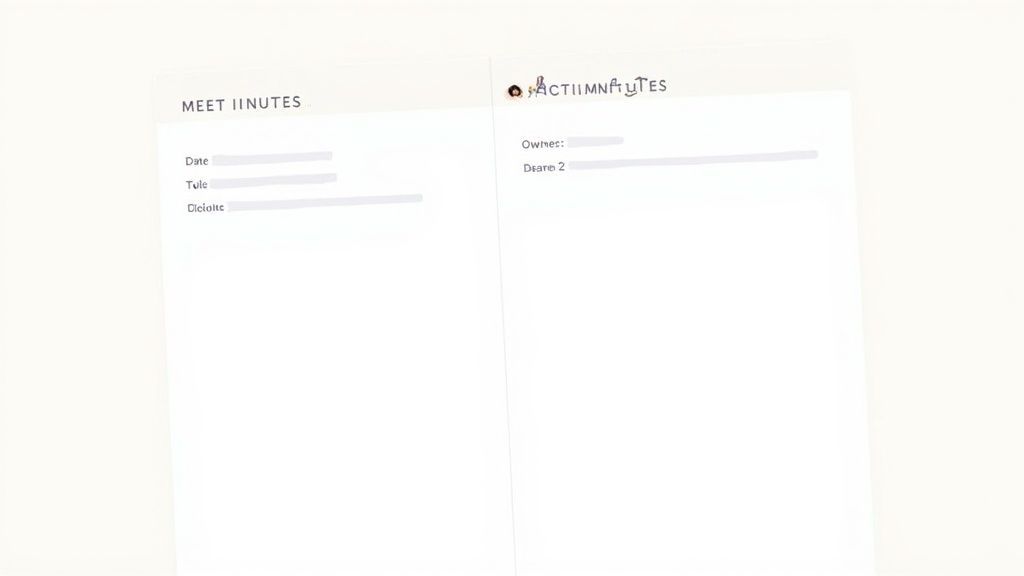
Análise Estratégica: A Estrutura dos "Três D's"
Este modelo destaca-se porque se concentra no que chamamos os "Três D's": Discussão, Decisão e Delegação.
- Discussão: A ata resume brevemente os pontos chave levantados para cada item da agenda, fornecendo contexto sem transcrever toda a conversa.
- Decisão: Cada ponto de discussão termina com um resultado ou decisão claramente declarada. Isto elimina a ambiguidade sobre os resultados da reunião.
- Delegação: A secção de itens de ação liga diretamente uma tarefa específica a um único proprietário e a uma data de vencimento. Este é o elemento mais crítico, transformando a discussão em progresso tangível.
Insight Chave: O poder deste formato reside na sua estrutura orientada para a ação. Ao separar notas gerais de tarefas específicas e atribuídas, cria uma lista de verificação imediata para a produtividade pós-reunião.
Why Action Items Matter More Than Notes?
Meeting notes document conversation, but action items drive execution. Without clear ownership and deadlines, even the best discussions fail to produce results. Strong minutes always prioritize “who does what by when.”
Principais Conclusões Acionáveis
Para maximizar a eficácia desta amostra de atas de reunião com itens de ação, implemente as seguintes táticas:
- Atribua em Tempo Real: Não espere até depois da reunião. Atribua responsáveis e confirme prazos ao vivo durante a discussão para garantir buy-in e clareza imediatos.
- Use um Formato Consistente: Um modelo padronizado em toda a organização torna as atas mais fáceis de ler e referenciar. Para obter orientações de formatação mais detalhadas, você pode aprender mais sobre como elaborar o formato perfeito de atas de reunião com itens de ação.
- Distribua Prontamente: Envie as atas em até 24 horas. Isso mantém os detalhes frescos na mente de todos e reforça a urgência dos itens de ação atribuídos.
- Acompanhe Itens Abertos: Inclua uma seção no topo para revisar os itens de ação da reunião anterior, garantindo que nada passe despercebido.
2. Formato de Atas de Reunião da Harvard Business School
Para reuniões de alto risco onde clareza, responsabilidade e um registro formal são primordiais, o Formato de Atas de Reunião da Harvard Business School estabelece o padrão ouro. Este modelo estruturado e profissional é menos sobre capturar conversas casuais e mais sobre documentar decisões estratégicas e suas consequências diretas. Ele enfatiza a precisão e serve como um registro oficial para governança e conformidade.
Este formato é a escolha ideal para reuniões de conselhos de administração, comitês diretivos executivos e sessões críticas de planejamento estratégico. Sua força reside na criação de um rastro de decisões inequívoco e auditável, tomadas nos mais altos níveis. Os componentes centrais são semelhantes ao modelo básico, mas com um foco maior em moções formais, registros de votação e a justificativa estratégica por trás de cada decisão.
Análise Estratégica: A Estrutura "R.A.D."
Este modelo é construído sobre a estrutura "R.A.D.": Razão, Ação e Documentação.
- Razão: Em vez de apenas anotar uma decisão, este formato exige uma breve explicação do porquê por trás dela. Isso fornece contexto crucial para referência futura e para partes interessadas não presentes na reunião.
- Ação: Os itens de ação não são apenas listados; eles são frequentemente priorizados (por exemplo, alta, média, baixa) e podem incluir riscos associados ou requisitos de recursos, transformando uma tarefa simples em um plano de mini-projeto.
- Documentação: As próprias atas são tratadas como um documento corporativo formal. Elas são estruturadas para arquivamento, revisão legal e referência histórica, garantindo a memória organizacional de longo prazo.
Insight Chave: Este formato transforma as atas de reunião de um simples resumo em uma ferramenta de governança estratégica. Ao documentar a justificativa e os riscos potenciais, ele força um nível mais alto de pensamento crítico durante o próprio processo de tomada de decisão.
Principais Conclusões Acionáveis
Para implementar efetivamente esta amostra de atas de reunião com itens de ação, considere estas táticas profissionais:
- Atribua um Redator Dedicado: A função do anotador deve ser seu único foco durante a reunião. Este indivíduo deve ser treinado no formato para garantir consistência e precisão.
- Revisão e Aprovação Formal: Antes da distribuição, as atas devem ser revisadas e aprovadas pelo presidente ou facilitador da reunião para certificar sua precisão como um registro oficial.
- Vincule Decisões a Metas Estratégicas: Para cada decisão importante documentada, anote brevemente qual objetivo corporativo ou resultado chave ela apoia. Isso reforça o alinhamento estratégico.
- Arquive Metodicamente: Estabeleça um sistema claro para armazenar e recuperar essas atas. Isso é crucial para conformidade legal, auditorias e integração de futuros executivos.
3. Modelo de Atas de Reunião Ágil/Scrum
Para equipes que operam em ambientes iterativos e de ritmo acelerado, o Modelo de Atas de Reunião Ágil/Scrum é uma ferramenta especializada para acompanhar o progresso e remover obstáculos. Ao contrário dos modelos tradicionais, este formato é menos sobre um registro formal e mais sobre facilitar a melhoria contínua e rápida. Ele é projetado para reuniões como daily stand-ups, sprint planning e retrospectivas, onde o foco está no momentum e na adaptabilidade.
Esta estrutura prioriza a captura de impedimentos (bloqueadores), compromissos para o ciclo de trabalho atual (sprint) e os próximos passos imediatos. Ele abandona a formalidade em favor da função, muitas vezes residindo em um quadro branco digital ou dentro de uma ferramenta de gerenciamento de projetos como Jira. O objetivo é criar um registro dinâmico e altamente visível que mantenha a equipe alinhada e responsável por seus objetivos de sprint, tornando-o uma amostra essencial de atas de reunião com itens de ação para equipes modernas de desenvolvimento e projetos.
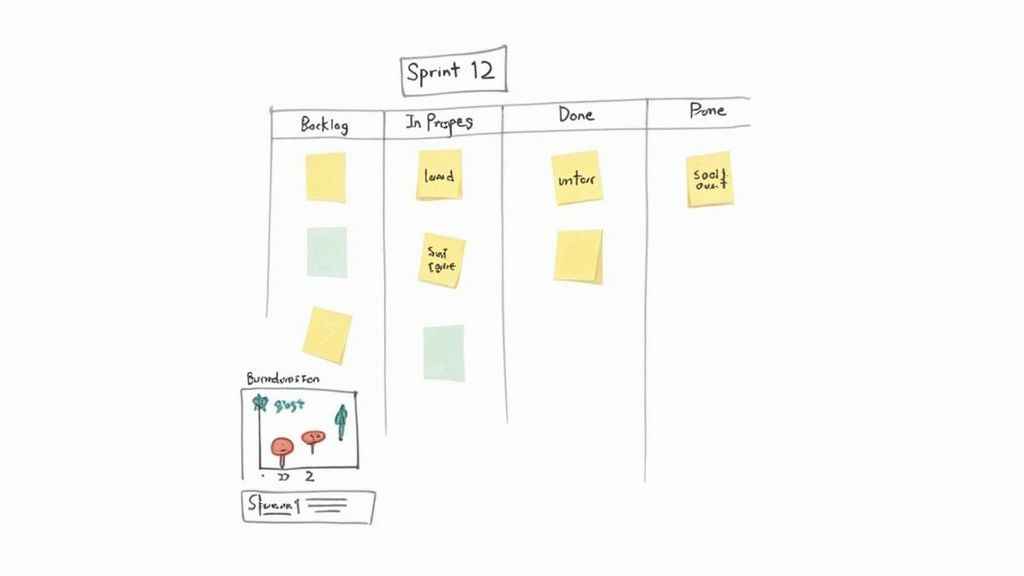
Análise Estratégica: A Estrutura "Três B's"
Este modelo é otimizado em torno do que chamamos de "Três B's" da execução ágil: Backlog, Bloqueadores e Burndown.
- Backlog: As atas referenciam diretamente itens do backlog do produto ou sprint. Os itens de ação são frequentemente vinculados a histórias de usuário ou tarefas específicas, garantindo que cada ação contribua para o escopo definido.
- Bloqueadores: Uma seção dedicada para impedimentos é o componente mais crítico. Ela sinaliza imediatamente problemas que impedem o progresso e atribui um responsável para resolvê-los, protegendo a velocidade da equipe.
- Burndown: Embora nem sempre escrito, as atas apoiam o conceito de burndown (acompanhamento do trabalho concluído em relação ao tempo). Os itens de ação são projetados para manter o projeto em sua trajetória planejada em direção ao objetivo do sprint.
Insight Chave: O valor deste modelo vem de seu foco no fluxo e na remoção de impedimentos. Ele trata as atas de reunião não como um documento histórico, mas como uma ferramenta viva para gerenciar o fluxo de trabalho imediato e manter o momentum do sprint.
Principais Conclusões Acionáveis
Para integrar efetivamente este formato ágil ao processo de sua equipe, siga estas diretrizes:
- Identifique Bloqueadores Cedo: Faça de "O que está te bloqueando?" uma pergunta obrigatória em toda stand-up. Atribua um item de ação de "remoção de bloqueador" imediatamente com um único responsável.
- Mantenha o Tempo Limitado: Cumpra limites de tempo rigorosos, especialmente a regra de 15 minutos para daily stand-ups, para manter a discussão focada em atualizações e ações críticas.
- Vincule Ações a Tarefas: Conecte cada item de ação a uma história de usuário, bug ou tarefa específica em seu sistema de gerenciamento de projetos. Isso fornece contexto e rastreabilidade essenciais.
- Visualize o Progresso: Use um quadro Kanban físico ou digital como o centro visual da reunião. As atas devem refletir os movimentos e discussões que ocorrem no quadro.
4. Modelo de Atas de Reunião de Conselho com Modelo de Governança
Para reuniões de governança de alto risco, o Modelo de Atas de Reunião de Conselho com Modelo de Governança é o formato essencial e legalmente válido. Este modelo vai além do simples rastreamento de tarefas; ele cria um registro oficial e auditável que satisfaz os requisitos regulatórios, as expectativas dos acionistas e a lei corporativa. Sua função principal é documentar moções formais, votos e resoluções com precisão e precisão legal inabaláveis.
Esta estrutura é inegociável para procedimentos formais, como uma reunião trimestral do Conselho de Administração, uma reunião anual de acionistas ou sessões de comitês especializados, como auditoria e remuneração. O formato rigoroso do modelo garante que todas as decisões sejam formalmente registradas, fornecendo um escudo legal para a organização e seus diretores. Ele enfatiza linguagem formal, adesão estrita ao procedimento parlamentar (como as Regras de Ordem de Robert) e registro detalhado de todas as ações oficiais tomadas.
Análise Estratégica: A Estrutura "Três R's"
Este modelo é construído sobre uma estrutura que chamamos de "Três R's": Registro, Resolução e Ratificação.
- Registro: Ao contrário de anotações informais, estas atas documentam oficialmente a presença, o estabelecimento de quórum, conflitos de interesse declarados e a redação exata das moções.
- Resolução: Cada decisão importante é capturada como uma resolução formal. Isso inclui o nome da pessoa que fez a moção, quem a secundou e o resultado final da votação (sim, não, abstenções).
- Ratificação: As atas servem como a ratificação formal das ações do conselho. Uma vez aprovadas em uma reunião subsequente, elas se tornam parte permanente e legalmente vinculativa do registro corporativo.
Insight Chave: Esta amostra de atas de reunião com itens de ação é fundamentalmente um documento legal, não apenas uma ferramenta de produtividade. Seu valor reside na criação de um registro de governança inequívoco e defensável que protege a empresa e sua liderança contra responsabilidades.
Principais Conclusões Acionáveis
Para executar adequadamente este modelo focado em governança, siga estas etapas críticas:
- Use Linguagem de Resolução Padronizada: Trabalhe com consultoria jurídica para criar modelos pré-aprovados para moções e resoluções comuns para garantir consistência e conformidade legal.
- Documente Votos com Precisão: Registre o resultado exato de cada votação. Para assuntos sensíveis, pode ser necessário registrar como cada diretor individual votou.
- Garanta Revisão Legal: Solicite que o consultor jurídico corporativo revise as atas preliminares antes que sejam finalizadas e distribuídas para aprovação, especialmente para reuniões que cubram decisões financeiras ou legais significativas.
- Mantenha um Arquivo Seguro: Armazene cópias originais assinadas em um local seguro e à prova de fogo ou em um arquivo digital certificado. Esses documentos devem ser preservados por muitos anos, de acordo com os estatutos legais.
5. Modelo de Atas de Reunião de Cliente/Parte Interessada
Ao se reunir com partes externas, o Modelo de Atas de Reunião de Cliente/Parte Interessada se torna uma ferramenta essencial para o gerenciamento de relacionamento e documentação profissional. Este formato é projetado especificamente para equilibrar a manutenção de registros internos com a comunicação externa, garantindo que todas as partes tenham um entendimento compartilhado de expectativas, entregas e decisões. Ele serve como um registro formal de compromissos e ajuda a prevenir o escopo creep.
Este modelo é crucial para interações de alto risco, como revisões de negócios trimestrais (QBRs), inícios de projetos com clientes ou avaliações de desempenho de fornecedores. Ele muda o foco de tarefas puramente internas para resultados mutuamente acordados, promovendo confiança e clareza. A estrutura documenta discussões e decisões chave, ao mesmo tempo em que enquadra os itens de ação como próximos passos colaborativos, reforçando a parceria.
Análise Estratégica: A Estrutura "A-C-D"
Este modelo é construído sobre uma estrutura "A-C-D": Alinhamento, Compromisso e Documentação.
- Alinhamento: As atas resumem as discussões para confirmar que ambas as partes estão alinhadas quanto aos objetivos do projeto, status e desafios. Ele traduz a conversa em uma perspectiva compartilhada.
- Compromisso: Cada decisão e item de ação representa um compromisso formal. Documentá-los claramente com responsáveis (de ambos os lados) e prazos transforma acordos verbais em tarefas responsáveis.
- Documentação: As atas servem como um registro oficial para o relacionamento. Isso é vital para acompanhar o progresso do projeto, gerenciar mudanças no escopo e referenciar acordos anteriores.
Insight Chave: Ao contrário das atas internas, este modelo é um documento diplomático. Sua função principal é construir confiança e manter um relacionamento positivo e em movimento, criando uma única fonte de verdade que ambas as partes podem endossar.
Principais Conclusões Acionáveis
Para usar efetivamente esta amostra de atas de reunião com itens de ação em um contexto voltado para o cliente, aplique estas estratégias:
- Elabore e Verifique: Sempre envie um rascunho das atas para o cliente ou parte interessada para sua revisão e aprovação antes de finalizar. Esta etapa colaborativa garante precisão e buy-in.
- Use Linguagem Positiva: Enquadre discussões e itens de ação usando linguagem focada em soluções e positiva. Em vez de "Cliente relatou um bug", use "Acordados próximos passos para resolver o problema relatado".
- Esclareça Todas as Entregas: Seja explícito sobre o que será entregue, por quem e quando. Isso é especialmente crítico para documentar quaisquer alterações ou adições ao escopo de trabalho original.
- Faça Follow-up Pessoalmente: Complemente as atas formais com um e-mail ou ligação pessoal breve. Isso reforça o relacionamento e demonstra um alto nível de engajamento e cuidado. Para saber mais sobre isso, confira estas melhores práticas para fazer atas em reuniões.
6. Modelo de Atas de Reunião de RH/Pessoal
Ao lidar com assuntos sensíveis de funcionários, o Modelo de Atas de Reunião de RH/Pessoal é uma ferramenta indispensável. Este formato especializado é projetado para documentar discussões que têm implicações legais e pessoais, como avaliações de desempenho, ações disciplinares ou pedidos de acomodação. Ele prioriza a confidencialidade, a precisão factual e a conformidade com as leis trabalhistas, garantindo a criação de um registro defensável.
Esta estrutura é crucial para qualquer reunião onde o status, o desempenho ou o cargo de um funcionário seja o tópico central. Ele fornece uma estrutura formal para capturar não apenas decisões, mas a justificativa por trás delas e a resposta do funcionário. Os componentes chave incluem detalhes da reunião, uma declaração clara de propósito, um resumo da discussão que evita linguagem subjetiva, os comentários do funcionário e um conjunto específico de itens de ação ou próximos passos para a gerência e o funcionário.
Análise Estratégica: A Estrutura "FACT"
Este modelo é construído sobre a estrutura "FACT" para garantir que a documentação seja legalmente válida e profissionalmente tratada: Factual, Acknowledged (Reconhecido), Confidencial e Time-bound (Com Prazo Definido).
- Factual: As atas devem registrar fatos e comportamentos objetivos, não opiniões ou suposições. Em vez de "má atitude", documente "chegou 15 minutos atrasado em três ocasiões separadas".
- Reconhecido: É crucial incluir uma seção onde o funcionário possa adicionar seus comentários ou reconhecer que recebeu as informações, mesmo que discorde delas.
- Confidencial: O modelo sinaliza inerentemente que o documento é confidencial e a distribuição deve ser estritamente limitada ao pessoal essencial, protegendo a privacidade e reduzindo o risco legal.
- Com Prazo Definido: Todos os itens de ação, como "Concluir o plano de melhoria de desempenho até [Data]", devem ter prazos claros para estabelecer um cronograma formal para a resolução.
Insight Chave: Esta amostra de atas de reunião com itens de ação é menos sobre gerenciamento de projetos e mais sobre gerenciamento de riscos. Sua função principal é criar um registro claro e imparcial que possa proteger a organização e garantir que o funcionário seja tratado de forma justa e consistente de acordo com a política da empresa e a lei.
Principais Conclusões Acionáveis
Para usar efetivamente o Modelo de Atas de Reunião de RH/Pessoal, aplique estas práticas críticas:
- Marque como Confidencial: Rotule claramente o documento "Confidencial" no topo e no rodapé para reforçar sua natureza sensível.
- Limite a Distribuição: Compartilhe as atas apenas com indivíduos que tenham uma necessidade direta e legítima de saber, como o gerente direto do funcionário, o representante de RH e o consultor jurídico, se necessário.
- Documente a Resposta do Funcionário: Sempre forneça um espaço para o funcionário responder ou adicionar sua perspectiva. Esta é uma etapa crucial para a justiça processual.
- Armazenamento Seguro e Retenção: Armazene esses registros em um local seguro e com acesso controlado (como um HRIS dedicado) e cumpra os requisitos legais para os períodos de retenção de documentos.
7. Atas de Reunião de Gerenciamento de Projetos com Integração de Gantt
Para iniciativas complexas, o modelo Atas de Reunião de Gerenciamento de Projetos com Integração de Gantt eleva a documentação padrão a uma ferramenta dinâmica de gerenciamento de projetos. Este formato avançado vincula diretamente os resultados da reunião e os itens de ação a um cronograma visual do projeto, como um gráfico de Gantt. Ele é projetado para gerenciar dependências, acompanhar marcos e manter o alinhamento entre múltiplos fluxos de trabalho, tornando-o indispensável para projetos de grande escala.
Esta abordagem é crucial para reuniões semanais de status de projeto, revisões de fase e sessões de comitês diretivos de partes interessadas onde o progresso em relação a um cronograma é primordial. Ao conectar discussões e decisões a entregas e cronogramas específicos do projeto, ele garante que cada reunião impulsione o projeto de forma mensurável. Os componentes centrais são atas de reunião padrão, juntamente com uma referência direta ou atualização do gráfico de Gantt do projeto, sinalizando riscos e necessidades de recursos.
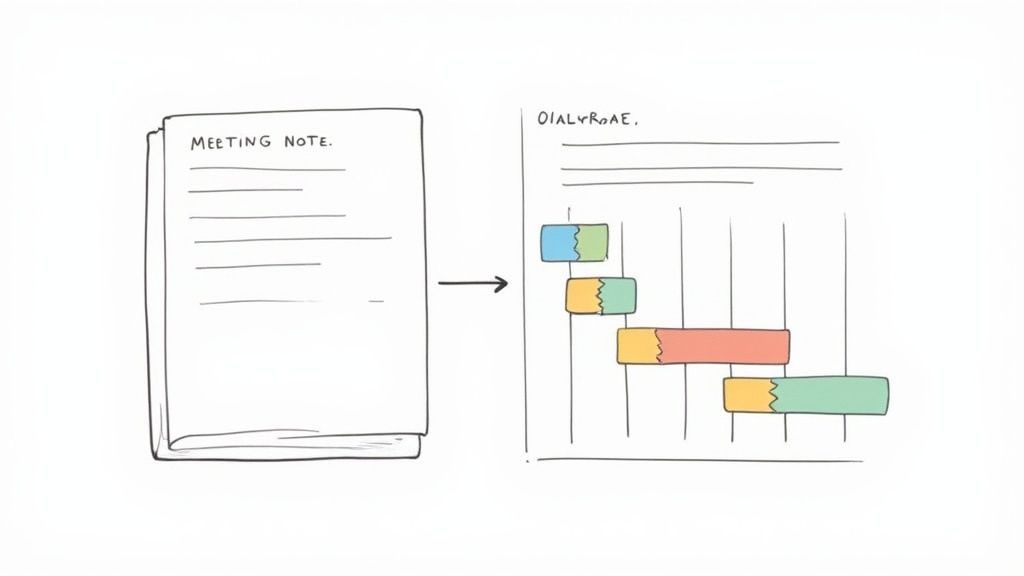
Análise Estratégica: A Estrutura "Cronograma, Tarefa e Transparência"
Este modelo é poderoso porque impõe os "Três T's": Timeline (Cronograma), Task (Tarefa) e Transparency (Transparência).
- Cronograma: Cada item de ação é avaliado quanto ao seu impacto no cronograma do projeto. As discussões giram em torno de marcos, prazos e o caminho crítico.
- Tarefa: Os itens de ação não são apenas tarefas; eles são vinculados diretamente a entregas específicas ou pacotes de trabalho dentro do plano do projeto, esclarecendo seu propósito.
- Transparência: Integrar atas com uma ferramenta visual como um gráfico de Gantt torna o status do projeto, incluindo riscos e atrasos, instantaneamente claro para todas as partes interessadas.
Insight Chave: Este formato transforma as atas de reunião de um registro estático em um documento vivo que direciona ativamente o projeto. Ele fecha a lacuna entre discussão e execução, tornando o cronograma do projeto o ponto central de responsabilidade.
Principais Conclusões Acionáveis
Para implementar efetivamente esta amostra de atas de reunião com itens de ação, considere estas estratégias:
- Vincule Itens de Ação a Entregas: Conecte explicitamente cada novo item de ação a um ID de tarefa ou marco específico em seu software de gerenciamento de projetos (por exemplo, MS Project, Smartsheet).
- Sinalize Impactos no Caminho Crítico: Durante a reunião, identifique e documente quaisquer itens de ação ou decisões que possam afetar o caminho crítico do projeto, destacando-os para atenção imediata.
- Atualize o Gráfico de Gantt Pós-Reunião: O gerente de projeto deve atualizar o gráfico de Gantt oficial imediatamente após a distribuição das atas para refletir novos cronogramas, mudanças de recursos ou dependências. Para discussões complexas, usar o melhor software de transcrição de reuniões pode ajudar a garantir que nenhum detalhe crítico seja perdido durante este processo.
- Revise Riscos em Relação ao Cronograma: Dedique uma seção das atas para documentar novos riscos e revisar os existentes, observando especificamente seu impacto potencial no cronograma.
8. Modelo de Atas de Reunião Virtual (Formato Híbrido/Remoto)
A mudança para o trabalho híbrido e remoto exigiu o Modelo de Atas de Reunião Virtual. Este formato moderno é projetado especificamente para lidar com os desafios únicos de equipes distribuídas, como gerenciar gravações, contabilizar participação assíncrona e rastrear engajamento digital. Ele estende o modelo tradicional incorporando elementos como links para gravações, resumos de logs de chat e carimbos de data/hora digitais, tornando-o uma ferramenta indispensável para a força de trabalho atual.
Esta estrutura é crucial para qualquer organização com membros de equipe distribuídos, seja para stand-ups remotos semanais, webinars para todos os funcionários ou apresentações a clientes em diferentes fusos horários. Ela garante que aqueles que não puderam comparecer ao vivo tenham o contexto completo e que as decisões tomadas virtualmente sejam documentadas com precisão. Adições chave incluem consentimento para gravação, links para ativos digitais e instruções claras de acompanhamento para espectadores assíncronos.
Análise Estratégica: A Estrutura "Três C's"
Este modelo prospera focando nos "Três C's" da colaboração remota: Contexto, Clareza e Continuidade.
- Contexto: Ao vincular diretamente à gravação da reunião e incluir carimbos de data/hora, as atas fornecem contexto incomparável. Os participantes podem revisitar o momento exato em que uma decisão foi tomada.
- Clareza: Centraliza todos os ativos relacionados à reunião. Links para documentos compartilhados, transcrições de chat e slides de apresentação são incluídos, criando uma única fonte de verdade.
- Continuidade: O modelo é construído para trabalho assíncrono. Ele inclui resumos e itens de ação claros para que os membros da equipe em diferentes fusos horários possam contribuir e permanecer alinhados sem comparecer ao vivo.
Insight Chave: O valor do modelo é sua função como um arquivo multimídia. Ele transforma as atas de um documento estático em um hub interativo que suporta colaboração em tempo real e assíncrona, que é uma marca registrada de uma amostra eficaz de atas de reunião com itens de ação.
Principais Conclusões Acionáveis
Para maximizar a eficácia deste modelo focado em remoto, implemente as seguintes táticas:
- Carimbe Tudo com Data/Hora: Durante a reunião, anote o carimbo de data/hora para decisões chave ou delegação de itens de ação. Isso permite que qualquer pessoa que revise a gravação pule diretamente para o momento relevante.
- Aproveite Ferramentas de IA: Use ferramentas alimentadas por IA para gerar automaticamente transcrições e resumos. Muitas plataformas podem até identificar itens de ação para você. Para explorar isso mais a fundo, aprenda mais sobre como um anotador de IA para Zoom pode otimizar este processo.
- Estabeleça Etiqueta Clara: Para garantir que suas atas de reunião virtual capturem discussões verdadeiramente produtivas, considere implementar estas 10 regras cósmicas para reuniões virtuais.
- Inclua um Resumo TL;DR: Adicione uma seção "Too Long; Didn't Read" (Muito Longo; Não Li) no topo com as principais decisões e itens de ação para aqueles que precisam de uma atualização rápida sem revisar o documento inteiro.
8-Comparação de Modelos: Atas de Reunião com Itens de Ação
| Modelo | 🔄 Complexidade de implementação | ⚡ Requisitos de recursos | 📊 Resultados esperados | 💡 Casos de uso ideais | ⭐ Principais vantagens |
|---|---|---|---|---|---|
| Modelo Básico de Atas de Reunião com Itens de Ação | Baixa 🔄 | Mínimo — documentos/planilhas simples | 📊 Rastreamento claro de ações e registro de presença | Stand-ups de pequenas equipes, reuniões de departamento, inícios | ⭐⭐ Fácil de adotar; flexível |
| Formato de Atas de Reunião da Harvard Business School | Alta 🔄🔄🔄 | Moderado-alto — anotador treinado, fluxo de trabalho de revisão | 📊 Registros formais, responsáveis, legalmente defensáveis | Reuniões executivas/de conselho, sessões estratégicas | ⭐⭐⭐ Forte responsabilidade e conformidade |
| Modelo de Atas de Reunião Ágil/Scrum | Média 🔄🔄 | Moderado — ferramentas ágeis/integração (Jira, etc.) | 📊 Progresso do sprint, visibilidade de bloqueadores, melhoria contínua | Daily scrums, sprint planning, retrospectivas | ⭐⭐⭐ Focado em iteração; resolução rápida de impedimentos |
| Modelo de Atas de Reunião de Conselho com Modelo de Governança | Muito Alta 🔄🔄🔄 | Alta — expertise em legal/governança, armazenamento seguro | 📊 Rastro de auditoria abrangente; resoluções executáveis | Reuniões anuais de acionistas, comitês de auditoria/remuneração | ⭐⭐⭐ Conformidade legal e proteção contra responsabilidade |
| Modelo de Atas de Reunião de Cliente/Parte Interessada | Média 🔄🔄 | Moderado — ciclos de revisão, documentos polidos prontos para o exterior | 📊 Expectativas claras, mal-entendidos reduzidos, entregas rastreadas | Inícios de projetos com clientes, QBRs, revisões de fornecedores | ⭐⭐ Fortalece relacionamentos; reduz escopo creep |
| Modelo de Atas de Reunião de RH/Pessoal | Alta 🔄🔄🔄 | Alta — revisão de RH/legal, controles rigorosos de confidencialidade | 📊 Registros de pessoal legalmente compatíveis; decisões documentadas | Avaliações de desempenho, reuniões disciplinares ou de demissão | ⭐⭐⭐ Protege legalmente funcionários/empregadores; conformidade |
| Atas de Reunião de Gerenciamento de Projetos com Integração de Gantt | Alta 🔄🔄🔄 | Alta — integração de software de PM (MS Project, Smartsheet), expertise em PM | 📊 Cronograma alinhado, dependências rastreadas, visibilidade de risco | Status semanal de projeto, fases, comitês diretivos | ⭐⭐⭐ Melhora o alinhamento do cronograma e a visibilidade das partes interessadas |
| Modelo de Atas de Reunião Virtual (Formato Híbrido/Remoto) | Média 🔄🔄 | Moderado — ferramentas de gravação/transcrição, armazenamento, controles de privacidade | 📊 Transcrições acessíveis, participação assíncrona, registros pesquisáveis | Stand-ups distribuídos, todos os funcionários, atualizações entre fusos horários | ⭐⭐ Melhora a acessibilidade e a colaboração remota |
De Modelos a Ação: Potencialize seu Fluxo de Reuniões
Viajamos por uma coleção abrangente de amostras de atas de reunião com itens de ação, desde o Modelo Básico direto até o Formato de Reunião de Conselho focado em governança e a estrutura dinâmica Ágil/Scrum. A mensagem subjacente é clara: a abordagem única para a documentação de reuniões está obsoleta. O poder real reside em selecionar e adaptar um modelo que espelhe o propósito específico da reunião, o público e os resultados desejados.
Choosing the Right Template Starts With the Meeting Type
Internal Team Meetings
Best suited for basic or agile templates. Focus on quick updates, blockers, and clearly assigned next steps to maintain team momentum.
Executive & Board Meetings
Require formal, structured minutes with documented decisions, voting records, and strategic rationale for governance and compliance.
Client & Stakeholder Meetings
Need polished, shareable minutes that confirm alignment, commitments, and deliverables while protecting relationships.
Project & Program Reviews
Work best with timeline-linked minutes that connect action items to milestones, dependencies, and risks.
Escolher o framework certo é o seu primeiro movimento estratégico. Uma reunião com o cliente exige um nível diferente de detalhe e tom do que uma sincronização de projeto interna. Da mesma forma, a natureza formal e legalmente vinculativa das atas de reunião do conselho exige uma estrutura muito mais rígida do que uma sessão de brainstorming criativo. Sua escolha de modelo define o palco para clareza, responsabilidade e acompanhamento eficiente.
Sintetizando as Estratégias Essenciais
Em todos os exemplos, algumas verdades universais surgiram. Atas de reunião eficazes não são apenas um registro do que foi dito; são um plano para o que vem a seguir. Elas transformam conversa em compromisso, definindo claramente responsabilidades e prazos.
- Clareza Acima de Quantidade: As melhores atas são concisas. Elas filtram o ruído da conversa para destacar decisões importantes, insights críticos e, o mais importante, tarefas acionáveis.
- Propriedade é Inegociável: Cada item de ação deve ter um proprietário designado. A frase "a equipe fará..." é uma receita para a inação. Atribuir um nome específico cria uma linha direta de responsabilidade.
- Prazos Impulsionam o Momento: Um item de ação sem data de vencimento é meramente uma sugestão. Anexar um cronograma específico converte uma intenção vaga em um compromisso mensurável, criando urgência e um cronograma claro para acompanhamento.
The Hidden Cost of Vague Action Items
Unassigned or undated tasks quietly kill momentum. When ownership is unclear, follow-ups disappear, accountability fades, and meetings lose credibility over time.
Moving Beyond Manual Note-Taking
The true value of mastering meeting minutes is the competitive advantage it provides. It’s about accelerating project timelines, strengthening client relationships, ensuring regulatory compliance, and fostering a culture of execution. When meetings consistently produce clear, actionable outcomes, the entire organization operates with greater speed and precision. This is where modern workflows and technology become indispensable allies.
The examples provided are your foundational tools, but implementing them consistently can be time-consuming. The administrative burden of transcribing discussions, identifying speakers, and manually pulling out action items can bog down even the most organized professionals.
Features That Eliminate Manual Meeting Work
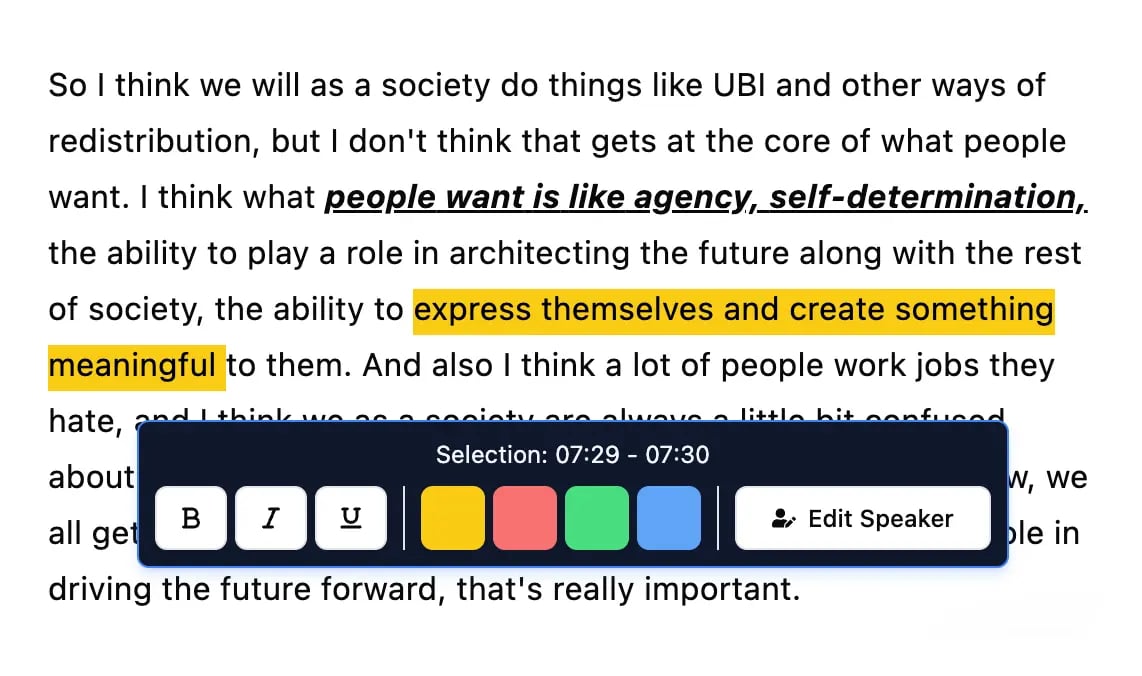
Ferramentas de edição
Edite transcrições com ferramentas poderosas incluindo buscar e substituir, atribuição de falantes, formatos de texto rico e destaque.
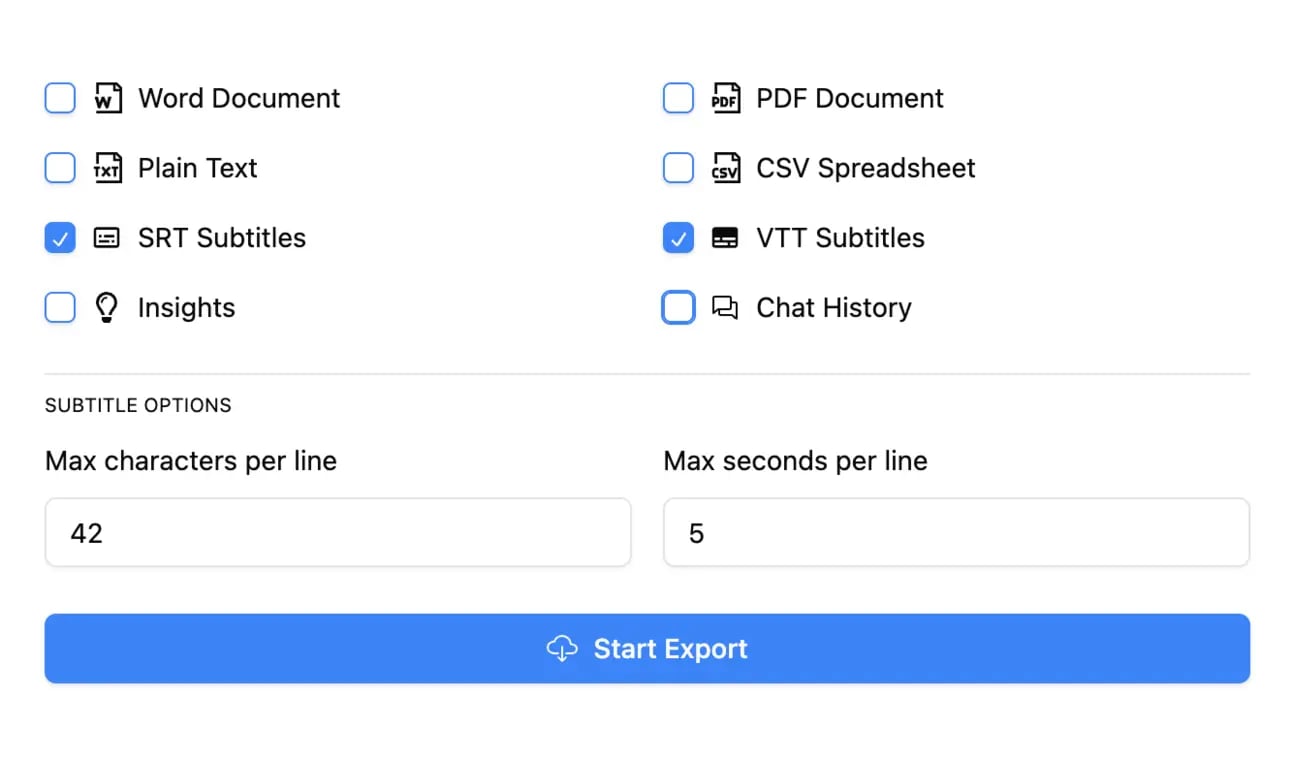
Exportar em múltiplos formatos
Exporte suas transcrições em múltiplos formatos incluindo TXT, DOCX, PDF, SRT e VTT com opções de formatação personalizáveis.
Resumos e Chatbot
Gere resumos e outros insights da sua transcrição, prompts personalizados reutilizáveis e chatbot para o seu conteúdo.
Integrações
Conecte-se com suas ferramentas e plataformas favoritas para otimizar seu fluxo de trabalho de transcrição.
This is the critical juncture where you can either continue with manual processes or leverage technology to automate and elevate your workflow. Integrating a powerful tool that handles the heavy lifting allows you to focus on the strategic elements of the meeting itself, rather than getting lost in the weeds of documentation.
By combining a strong foundational meeting minutes with action items sample with intelligent automation, you close the loop between discussion and execution. You create a seamless system that ensures no critical task falls through the cracks, empowering your team to move forward with confidence and unified purpose. This is how you transform meetings from a necessary chore into a powerful engine for organizational growth.
Automate Your Meeting Minutes, Instantly
Transcript.LOL automatically transcribes meetings, identifies speakers, extracts action items, and generates structured summaries—so your meetings lead to execution, not more admin work.
Ready to eliminate manual note-taking and ensure every action item is captured? Transcript.LOL uses AI to transcribe your meetings, identify key tasks, and generate structured summaries automatically. Stop chasing down notes and start driving results by visiting Transcript.LOL to supercharge your meeting productivity today.