Come far crescere il pubblico di un podcast: come far crescere il pubblico di un podcast...
Scopri come far crescere il pubblico di un podcast con pratiche SEO, rielaborazione dei contenuti e costruzione di community per espandere la tua portata.
Kate, Praveen
March 19, 2025
Prima ancora di pensare alla promozione, all'SEO o a quelle raffinate clip per i social media, hai bisogno di uno show che valga davvero la pena promuovere. Ho visto così tanti podcaster bloccarsi perché saltano le fondamenta essenziali, creando contenuti troppo generici o incoerenti per trovare mai un pubblico dedicato.
La crescita reale e sostenibile inizia con una base chiara e strategica. Si tratta di andare oltre il semplice voler parlare di un argomento che ami e scavare in chi stai creando questo contenuto per.
Un podcast che cerca di piacere a tutti, alla fine, non piacerà a nessuno. Mettiamo a posto le basi.
Funzionalità che ti aiutano a costruire una solida base per il tuo podcast
IA all'avanguardia
Alimentato da Whisper di OpenAI per una precisione leader nel settore. Supporto per vocabolari personalizzati, file fino a 10 ore e risultati ultra rapidi.

Importa da più fonti
Importa file audio e video da varie fonti tra cui caricamento diretto, Google Drive, Dropbox, URL, Zoom e altro.
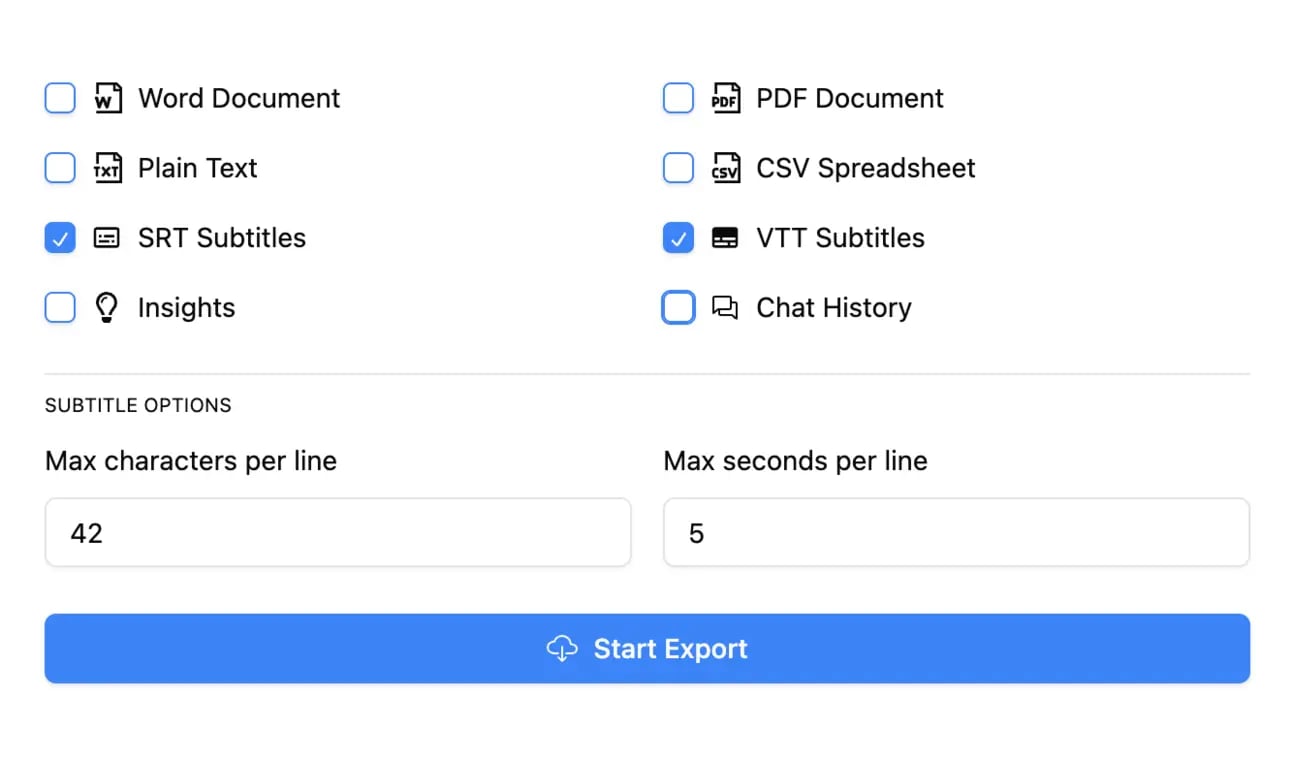
Esporta in più formati
Esporta le tue trascrizioni in più formati tra cui TXT, DOCX, PDF, SRT e VTT con opzioni di formattazione personalizzabili.
Prima ancora di pensare alla promozione, all'SEO o a quei video accattivanti sui social media, hai bisogno di uno show che valga davvero la pena promuovere. Ho visto così tanti podcaster bloccarsi perché saltano le basi essenziali, creando contenuti troppo generici o incoerenti per trovare mai un pubblico dedicato.
Una crescita reale e sostenibile inizia con una base chiara e strategica. Si tratta di andare oltre il semplice desiderio di parlare di un argomento che ami e di scavare a fondo su chi stai creando questo contenuto.
Un podcast che cerca di piacere a tutti, alla fine, non piacerà a nessuno. Mettiamo a posto le fondamenta.
Costruire una Base per una Crescita Reale del Podcast
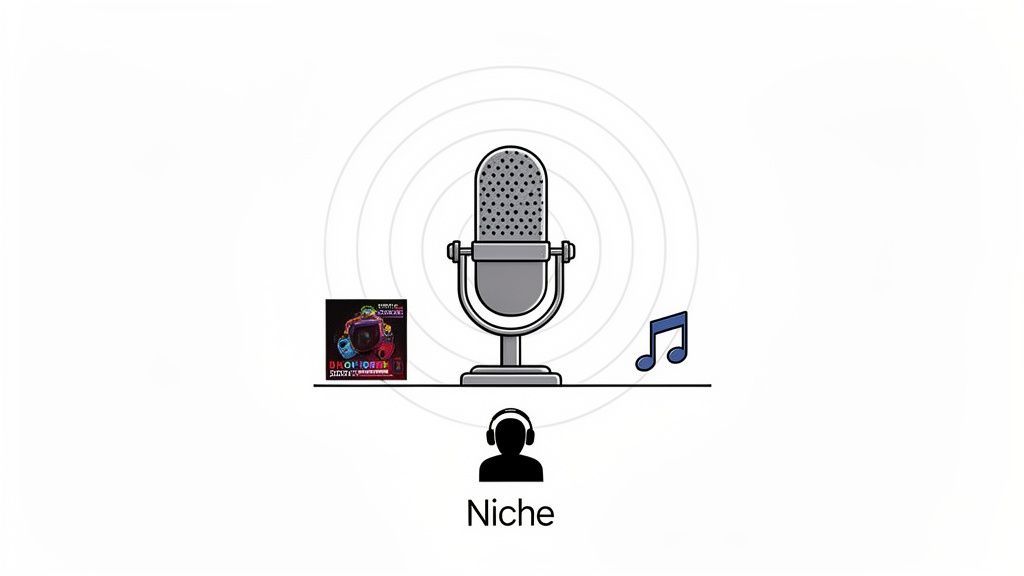
Definisci una Nicchia che Puoi Dominare
Il mondo del podcasting è affollato. Questo è un dato di fatto. Ma una nicchia super-specifica ti permette di diventare un grosso pesce in un piccolo stagno. Invece di lanciare un altro "podcast di business" generico, sii granulare.
Pensa a uno show per "fondatori di SaaS in fase iniziale che navigano il loro primo round di seed" o "proprietari di negozi fisici che cercano di implementare l'e-commerce".
Questo tipo di specificità fa subito due cose:
- Rende il tuo show immediatamente scopribile dalla persona esatta che ha bisogno di sentirlo.
- Ti posiziona come un'autorità su un particolare argomento, il che costruisce fiducia molto più velocemente.
Quando hai un focus preciso, la creazione di contenuti diventa più semplice. Sai sempre a chi stai parlando e quali problemi li stai aiutando a risolvere.
Pilastri fondamentali di un podcast scalabile
Proprietà di una nicchia
Scegliere un argomento mirato riduce la concorrenza e aumenta la pertinenza. Aiuta il tuo podcast a distinguersi e ti posiziona come una voce fidata in un'area specifica.
Comprensione dell'ascoltatore
Conoscere gli obiettivi e le difficoltà del tuo pubblico ti permette di creare episodi che sembrano personali e preziosi piuttosto che generici.
Coerenza del marchio
Visivi, tono e qualità audio coerenti costruiscono fiducia. Gli ascoltatori sanno cosa aspettarsi e si sentono sicuri di tornare ogni settimana.
Direzione dei contenuti
Una base solida elimina le congetture. Sai sempre quali argomenti trattare e come inquadrarli per ottenere il massimo impatto.
Crea la tua persona di ascoltatore ideale
Una volta definito il tuo pubblico di riferimento, è il momento di dare vita al tuo ascoltatore ideale. Questo va ben oltre le semplici informazioni demografiche. Stiamo parlando di psicografia: i loro obiettivi, cosa li tiene svegli la notte e di cosa sono appassionati.
Creare una persona di ascoltatore dettagliata fa la differenza tra trasmettere nel vuoto e avere una conversazione con un amico. Ogni decisione sui contenuti, dagli argomenti degli episodi al tono della voce, diventa più chiara quando sai esattamente chi c'è dall'altra parte delle cuffie.
Stai parlando con "Marketing Megan", una manager di 32 anni completamente sopraffatta dai nuovi strumenti di IA? O con "Startup Steve", uno sviluppatore di 28 anni che affronta la leadership per la prima volta? Quando crei per una persona specifica, i tuoi contenuti diventano riconoscibili, essenziali e indispensabili.
Stabilisci un'esperienza di brand coerente
Il tuo brand è molto più di un logo. È l'intera esperienza che qualcuno ha con il tuo show, dal momento in cui vede la tua copertina al suono della tua musica di chiusura. La coerenza è ciò che costruisce riconoscimento e professionalità.
- Visuals: La tua copertina deve essere chiara, professionale e comunicare istantaneamente di cosa tratta il tuo show.
- Audio: Usa la stessa musica di introduzione e chiusura. Assicurati che la qualità audio sia pulita e facile da ascoltare. Se stai registrando interviste separatamente, vale la pena imparare come unire file audio per un prodotto finale senza interruzioni.
- Tono: Decidi la personalità del tuo show. Sei educativo e autorevole? Casual e divertente? Qualunque cosa sia, attieniti ad essa.
Questo pacchetto coerente dice ai nuovi ascoltatori esattamente cosa aspettarsi e li rassicura che hanno trovato una fonte di contenuti di alta qualità e affidabile.
Queste basi potrebbero sembrare basilari, ma sono la parte più importante per costruire uno show che duri. La tabella seguente analizza questi componenti fondamentali e perché sono così vitali per attrarre e mantenere un pubblico.
Elementi chiave di una solida base per podcast
| Elemento | Cos'è | Perché è fondamentale per la crescita del pubblico |
|---|---|---|
| Nicchia ben definita | Un argomento o un'area di competenza specifica e focalizzata per il tuo podcast. | Rende il tuo show altamente ricercabile per le persone giuste e stabilisce la tua autorità in uno spazio meno affollato. |
| Persona dell'ascoltatore ideale | Un profilo dettagliato del tuo ascoltatore target, inclusi i suoi obiettivi, sfide e interessi. | Ti aiuta a creare contenuti che risuonano profondamente, trasformando ascoltatori occasionali in fan dedicati che si sentono compresi. |
| Branding coerente | L'aspetto, il suono e l'atmosfera unificati del tuo show su tutti i punti di contatto (grafica, musica, tono). | Costruisce professionalità, riconoscimento e fiducia, rendendo il tuo podcast memorabile e facile da identificare. |
Padroneggiare questi tre elementi ti offre una potente piattaforma di lancio. Assicura che, quando inizi a promuovere il tuo show, stai attirando le persone giuste, quelle che ascolteranno, si iscriveranno e lo diranno ai loro amici.
Trasforma il tuo audio in una miniera d'oro SEO
Siamo onesti, il tuo podcast è un tesoro di contenuti incredibili. Ma per un motore di ricerca come Google, tutto quell'audio brillante è completamente invisibile. Ogni intervista killer, ogni momento "aha!" e ogni consiglio esperto che condividi è bloccato all'interno di un file audio che non può essere scansionato o indicizzato.
Se ti stai chiedendo come far crescere il tuo pubblico di podcast, questo è un enorme punto cieco. Stai essenzialmente ignorando lo strumento di scoperta più potente del pianeta.
La soluzione è molto più semplice di quanto pensi e non devi diventare un guru SEO dall'oggi al domani. Tutto si riduce a una cosa: le trascrizioni. Trasformando le tue parole parlate in testo, rendi istantaneamente ogni singola parola ricercabile. I tuoi episodi si trasformano da eventi audio unici in risorse a lungo termine che attirano nuovi ascoltatori dalla ricerca organica, mese dopo mese.
Funzionalità che trasformano l'audio in contenuti ricercabili
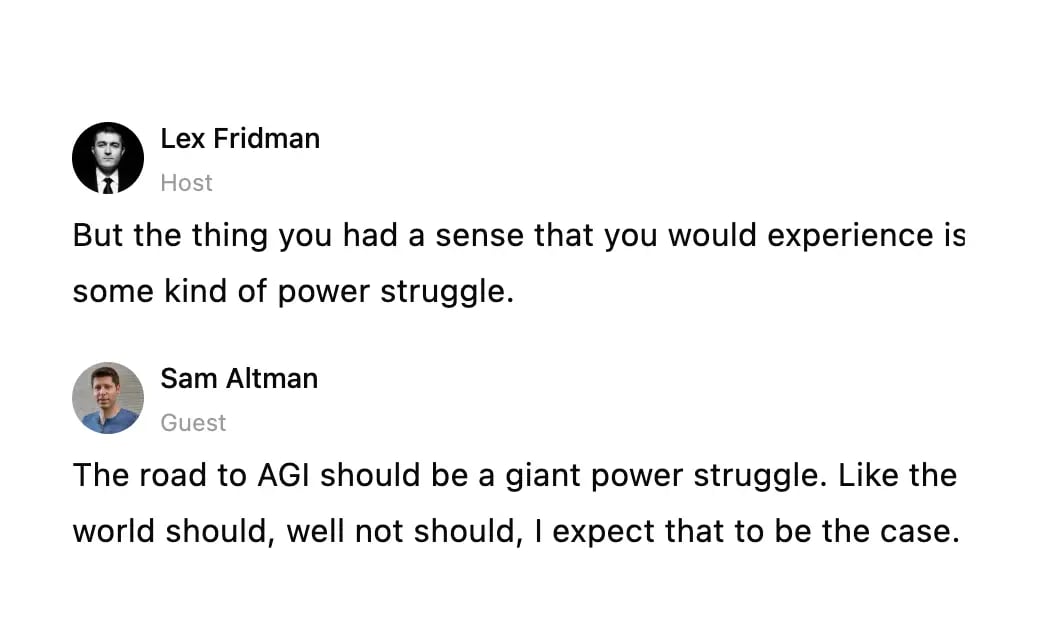
Rilevamento dei parlanti
Identifica automaticamente diversi parlanti nelle tue registrazioni e etichettali con i loro nomi.
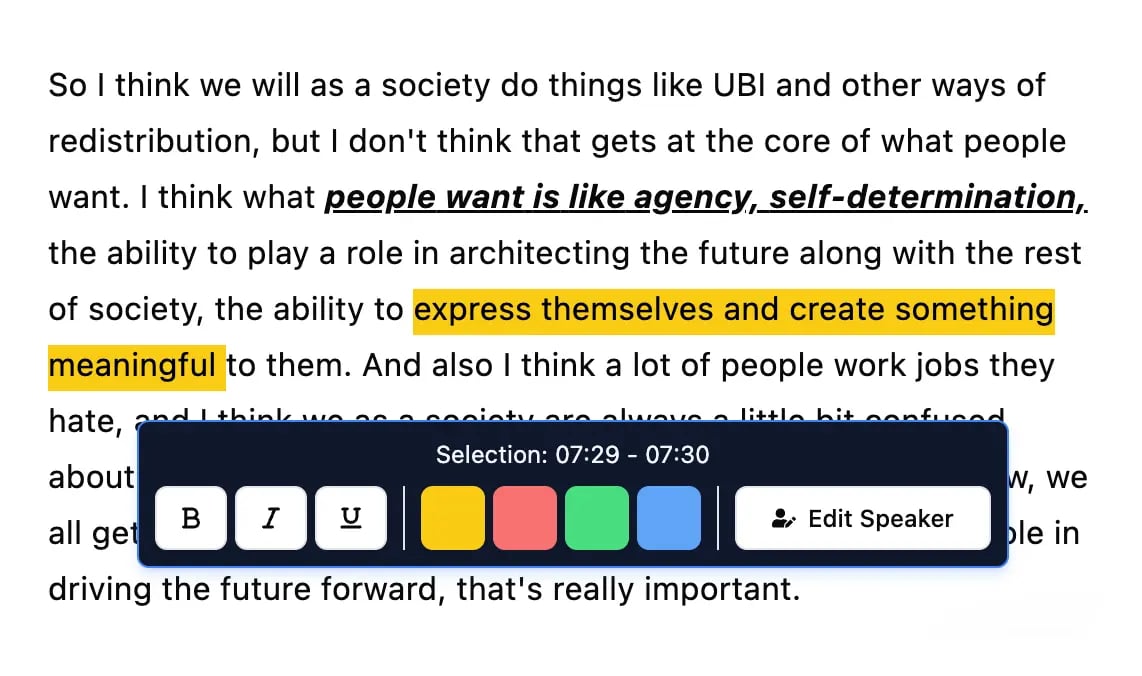
Strumenti di modifica
Modifica le trascrizioni con strumenti potenti tra cui trova e sostituisci, assegnazione dei parlanti, formati di testo arricchito ed evidenziazione.
Riassunti e Chatbot
Genera riassunti e altri approfondimenti dalla tua trascrizione, prompt personalizzati riutilizzabili e chatbot per i tuoi contenuti.
Sbloccare la Scoperta con le Trascrizioni
Fondamentalmente, la SEO per podcast consiste semplicemente nel rendere facile per i motori di ricerca capire di cosa tratta il tuo show. Quando qualcuno digita "strategie per fondatori di SaaS in fase iniziale" su Google, non può ascoltare i tuoi episodi per vedere se ne hai parlato. Quello che può fare è scansionare una trascrizione in una frazione di secondo, trovare quelle parole chiave esatte e proporre la pagina del tuo episodio come risultato principale.
Tutto inizia con l'ottenimento di una trascrizione accurata per ogni episodio che pubblichi. Certo, potresti farlo manualmente, ma è un processo incredibilmente lento e doloroso. Oggi, gli strumenti basati sull'IA possono generare una trascrizione altamente accurata e con etichetta degli speaker in pochi minuti, risparmiandoti ore di lavoro noioso. Questa efficienza è ciò che rende possibile un flusso di lavoro SEO coerente.
Vuoi vedere come si fa? Analizziamo l'intero processo nella nostra guida su come trascrivere un podcast.
La trascrizione stessa è solo la materia prima. Da lì, puoi creare note dello show ottimizzate per la SEO, post di blog approfonditi e tutti i tipi di altri contenuti testuali che i motori di ricerca amano assolutamente.
Questo screenshot mostra quanto sia semplice caricare un file audio in uno strumento come Transcript.LOL.
Il punto chiave qui è quanto sia diventata accessibile e veloce la trascrizione moderna. I vecchi ostacoli tecnici che rendevano questa strategia un grattacapo per i podcaster indipendenti sono praticamente scomparsi.
Dal Testo Grezzo a una Potenza SEO
Ok, quindi hai la tua trascrizione. Ora inizia il vero divertimento di attrarre un nuovo pubblico di podcast. Non limitarti a copiare e incollare il testo grezzo su una pagina e considerarla finita. L'obiettivo qui è riutilizzare strategicamente quel testo in contenuti che siano genuinamente utili per i lettori e perfettamente ottimizzati per la ricerca.
Ecco tre modi potenti per mettere al lavoro la tua trascrizione per la crescita:
- Crea Note dello Show Complete: Vai ben oltre un semplice riassunto di due frasi. Usa la tua trascrizione per estrarre i temi chiave, le citazioni memorabili e qualsiasi risorsa che hai menzionato. Struttura tutto con titoli chiari e punti elenco, il che ti aiuta naturalmente a includere le parole chiave e le frasi che il tuo ascoltatore ideale sta cercando.
- Pubblica Post di Blog Completi degli Episodi: Questa è la strategia di punta. Per ogni episodio, crea un post di blog dedicato che includa la trascrizione completa e rifinita. Inseriscila con un'introduzione accattivante, un riassunto dei punti principali e qualsiasi immagine o grafica pertinente. Questo crea un pezzo di contenuto ricco e di lunga durata che può posizionarsi per dozzine di parole chiave long-tail diverse.
- Sviluppa Contenuti a Cluster di Argomenti: Inizia a notare i temi ricorrenti nei tuoi episodi. Puoi estrarre le sezioni migliori da diverse trascrizioni per creare una "pagina pilastro" massiccia su un argomento centrale. Ad esempio, se hai realizzato cinque episodi che toccano il tema del marketing via email, puoi combinare le migliori intuizioni in una guida definitiva e poi collegarti a ciascuno dei post degli episodi individuali.
Trasformando il tuo audio in testo, non lo stai solo rendendo accessibile; stai costruendo un archivio ricercabile della tua competenza. Ogni nuovo episodio che pubblichi aggiunge un'altra pagina alla tua libreria digitale, aumentando la tua autorità SEO e creando più punti di ingresso per nuovi ascoltatori per trovarti.
Questo approccio costruisce un motore di contenuti che lavora per te 24 ore su 24, 7 giorni su 7. Un episodio che hai pubblicato un anno fa può ancora portare nuovi ascoltatori oggi semplicemente perché il suo post di blog basato sulla trascrizione si posiziona su Google. È così che passi dal rincorrere picchi di download temporanei alla costruzione di una strategia sostenibile e a lungo termine per la crescita del pubblico. È un passaggio fondamentale dal semplice essere un podcaster al diventare un vero creatore di contenuti.
Creare Contenuti che Amplificano la Tua Portata
Finire un ottimo episodio di podcast dà una sensazione fantastica, ma se il tuo lavoro si ferma nel momento in cui premi "pubblica", stai lasciando sul tavolo la maggior parte del suo potenziale di crescita. Una singola registrazione non è solo un pezzo di contenuto; è la materia prima per una dozzina di asset di marketing. Il riutilizzo intelligente è il modo per rimanere visibili e attrarre nuovi ascoltatori senza esaurirsi.
La pubblicazione da sola non porta alla crescita
Affidarsi solo alle uscite degli episodi limita la portata. Senza rielaborazione e distribuzione, anche i podcast di alta qualità faticano a crescere costantemente.
Invece di inseguire costantemente la prossima grande idea, sposta la tua mentalità verso l'amplificazione di ciò che hai già creato. Suddividendo il tuo episodio in pezzi più piccoli e nativi per la piattaforma, incontri potenziali ascoltatori dove si trovano già. Questo approccio rispetta il loro tempo e le loro abitudini di consumo, rendendoli molto più propensi a provare il tuo intero show.
La Tua Trascrizione È il Punto di Partenza
La trascrizione del tuo episodio è la chiave che sblocca l'intera strategia. È una versione testuale del tuo audio, che rende semplicissimo scansionare citazioni potenti, idee chiave e storie avvincenti. Cercare di trovare quella clip perfetta di 30 secondi scorrendo un'ora di audio è un incubo. Trovarla in una trascrizione richiede secondi.
Si tratta di lavorare in modo più intelligente, non più duramente. Con una trascrizione a portata di mano, puoi individuare rapidamente i momenti più condivisibili e trasformarli in contenuti perfettamente adatti a diverse piattaforme.
Questo semplice flusso di lavoro mostra come il tuo audio si trasforma in una risorsa scopribile e ricercabile che alimenta la tua crescita.
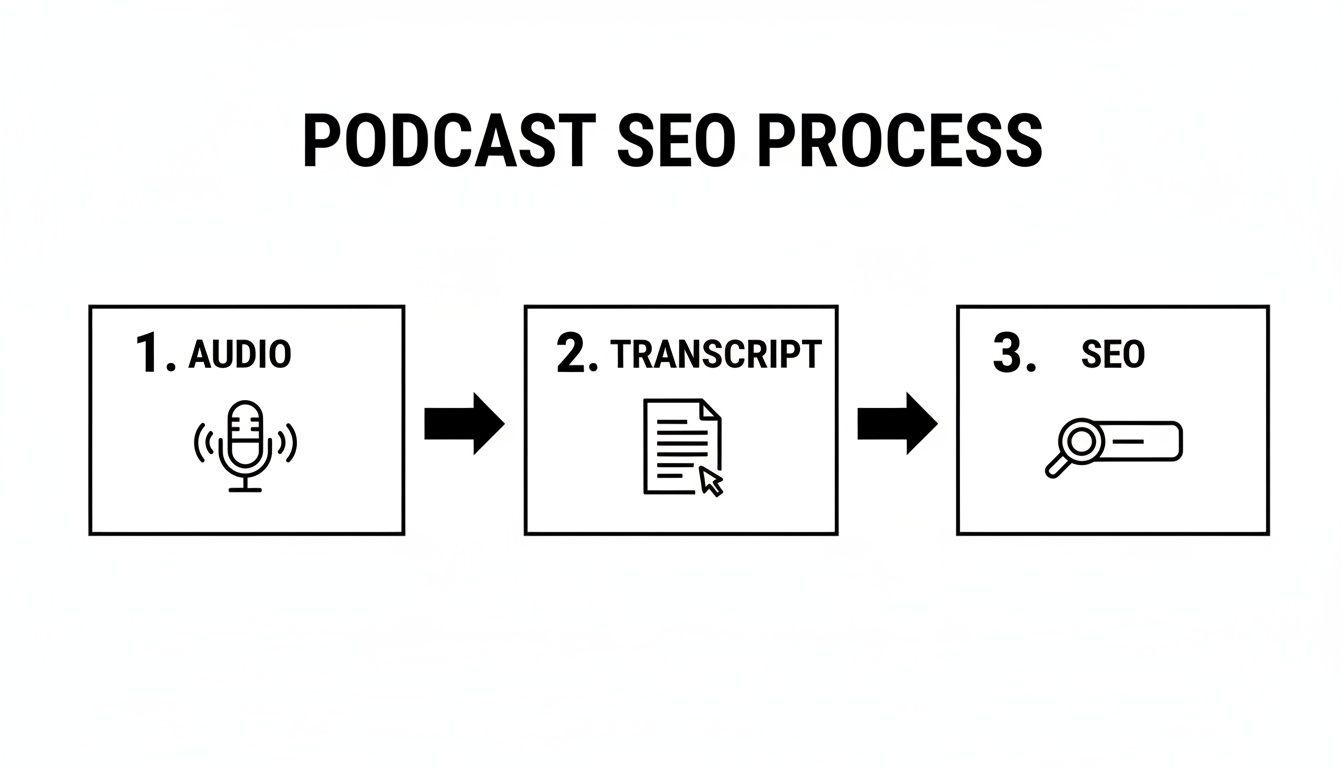
Il vero insegnamento qui è una verità fondamentale per i podcaster: il tuo audio diventa un motore SEO nel momento in cui viene convertito in testo.
Un Flusso di Lavoro Pratico per il Riproporzionamento
Andiamo al pratico. Immagina di aver appena concluso un'intervista di 45 minuti con un ospite esperto. Ecco un piano realistico per trasformare quel singolo episodio in una settimana intera di contenuti promozionali, tutto partendo dalla trascrizione.
-
Trova 3-5 "Pepite d'Oro": Per prima cosa, scansiona la trascrizione per le intuizioni più efficaci. Stai cercando statistiche sorprendenti, consigli pratici o storie emotive potenti. Questi sono i tuoi pezzi centrali.
-
Crea Audiogrammi e Clip Video: Per ogni pepita d'oro, crea una breve clip video (30-60 secondi). Aggiungi sottotitoli animati, una barra di avanzamento e il branding del tuo podcast. Questi sono oro puro per Instagram Reels, TikTok e YouTube Shorts.
-
Progetta Grafiche con Citazioni: Estrai la singola frase più potente da ogni pepita. Usa uno strumento come Canva per trasformarle in grafiche visivamente accattivanti. Funzionano eccezionalmente bene su Instagram, Facebook e persino LinkedIn.
Il riproporzionamento non consiste nello spammare lo stesso link ovunque. Si tratta di fornire valore genuino in un formato che sembri nativo per ogni piattaforma, dando alle persone un assaggio del tuo contenuto che le fa desiderare il pasto completo.
Costruendo un sistema come questo, crei una presenza coerente su più canali senza dover reinventare la ruota per ogni singolo post. Copriamo ancora più angolazioni nel nostro approfondimento sulle strategie di riproporzionamento dei contenuti.
Abbinare i Contenuti alla Piattaforma Giusta
Non tutti i contenuti riproposti sono uguali. Il segreto è abbinare il formato al pubblico della piattaforma e al suo algoritmo. Un post ricco di testo morirà su TikTok, e un meme potrebbe non funzionare su LinkedIn. Per amplificare veramente la portata del tuo podcast, comprendere e utilizzare diversi canali di distribuzione del content marketing è non negoziabile.
La tabella sottostante mostra come puoi prendere un singolo episodio di podcast e suddividerlo in diversi formati personalizzati per le piattaforme dove si trovano i tuoi ascoltatori ideali.
Matrice di Riproporzionamento dei Contenuti per Podcast
| Contenuto Originale | Formato Riproposto | Piattaforma di Destinazione | Obiettivo Chiave |
|---|---|---|---|
| Episodio di 45 minuti | Clip Video di 30-60 secondi | Instagram Reels, TikTok | Guidare la scoperta con contenuti video brevi e coinvolgenti. |
| Insight/Citazione Chiave | Grafica Statica con Citazione | Feed di Instagram, Facebook | Creare contenuti visivamente accattivanti e condivisibili. |
| Aneddoto dell'Ospite | Post Testuale con Hook | LinkedIn, X (Twitter) | Stimolare discussioni professionali e coinvolgimento. |
| Riassunto dell'Episodio | Newsletter via Email | La Tua Lista Email | Coltivare il tuo pubblico principale e guidare i download diretti. |
| Trascrizione Completa | Post del Blog/Note dello Show | Il Tuo Sito Web | Migliorare la SEO e fornire una risorsa dettagliata. |
Questa matrice non è esaustiva, ma mostra il principio fondamentale: un pezzo di audio può alimentare il tuo calendario di contenuti per una settimana o più, raggiungendo pubblici diversi con contenuti creati appositamente per loro.
Ecco una rapida panoramica su come adattare i tuoi asset:
-
LinkedIn: Prendi una citazione forte e usala come aggancio per un post testuale. Condividi la tua riflessione personale su quella parte della conversazione e termina con una domanda per far parlare altri professionisti.
-
Instagram: Pubblica i tuoi audiogrammi su Reels per la massima portata. Condividi le grafiche statiche con citazioni sul tuo feed principale e usa la funzione "condividi sulla storia" con un adesivo di link che punta direttamente all'episodio completo.
-
Newsletter via Email: Incorpora una delle clip video direttamente nella tua newsletter. Aggiungi un breve riassunto dei punti chiave dell'episodio e una chiara call-to-action per "Ascolta l'Episodio Completo". È scioccante, ma solo il 20% dei marketer dichiara di utilizzare questa tattica, dandoti una vittoria facile.
-
X (precedentemente Twitter): Avvia un thread. Inizia con la citazione più avvincente, quindi usa i tweet successivi per scomporre i punti chiave di quel segmento. Termina il thread con un link allo show completo.
Questo approccio multi-piattaforma crea tonnellate di punti di ingresso per nuovi ascoltatori per scoprire il tuo show. Qualcuno potrebbe vedere una citazione su LinkedIn, un altro potrebbe guardare una clip su Instagram, ma entrambi i percorsi possono riportarli a diventare un abbonato. È così che si fa crescere un pubblico di podcast oggi.
La crescita è ora multicanale
La crescita moderna dei podcast dipende dalla visibilità su più piattaforme. I contenuti rielaborati aumentano la scoperta rafforzando il tuo messaggio ovunque gli ascoltatori trascorrono il loro tempo.
Coltivare una Comunità di Ascoltatori Coinvolti
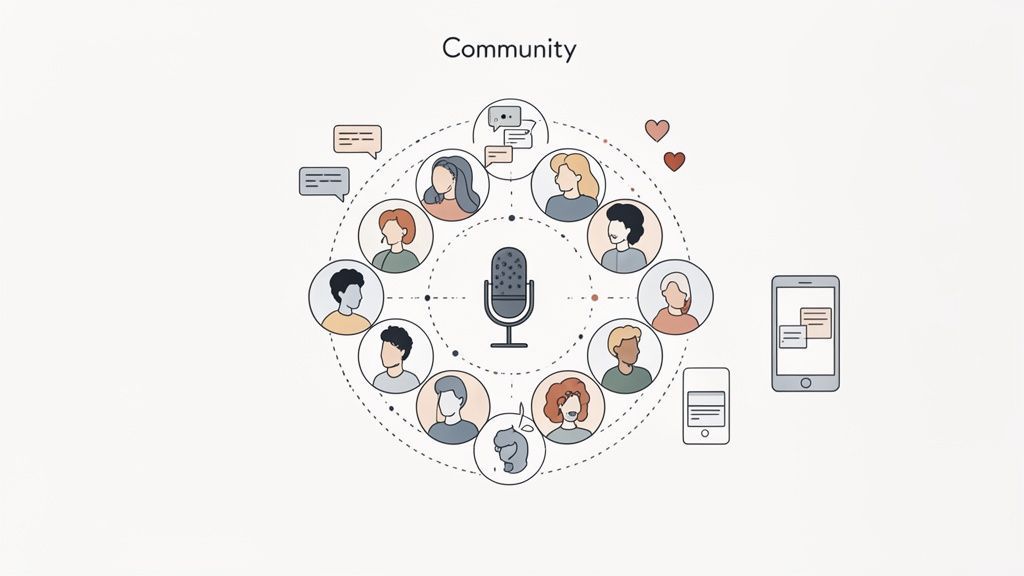
Download e conteggi degli ascoltatori sono metriche di vanità. Siamo onesti, raccontano solo una frazione della storia. Il vero motore per una crescita di podcast a lungo termine e sostenibile è trasformare gli ascoltatori passivi in una comunità attiva e entusiasta. Un pubblico di 1.000 veri fan che pendono dalle tue labbra è infinitamente più prezioso di 10.000 download silenziosi.
Quando sposti la tua attenzione dal mero consumo alla connessione genuina, elevi il tuo podcast da "buono" a indimenticabile. Una vera comunità si raccoglie attorno al tuo show, ti fornisce un feedback incredibile e diventa il tuo miglior team di marketing attraverso un passaparola autentico.
Passare dalla Trasmissione alla Conversazione
La prima cosa da fare è cambiare mentalità. Smetti di trasmettere alla tua audience e inizia una conversazione con loro. Questo significa costruire intenzionalmente momenti nei tuoi episodi in cui gli ascoltatori possano effettivamente partecipare. Non limitarti a congedarti con un generico "grazie per l'ascolto".
Invece, poni domande specifiche e avvincenti che invitino genuinamente a una risposta. Ad esempio, invece di un vago "Fatemi sapere cosa ne pensate", prova qualcosa di più diretto: "Dopo aver sentito questi trucchi per la produttività, quale implementerai questa settimana? Lascia la tua risposta nei commenti sulla pagina del nostro episodio."
Quel semplice aggiustamento trasforma la tua call-to-action da una frase buttata via a un invito attivo, facendo sentire i tuoi ascoltatori parte del dialogo.
Creare un Hub Dedicato alla Comunità
I social media sono ottimi per diffondere la voce, ma dare ai tuoi fan più fedeli un luogo centrale dove riunirsi è un vero punto di svolta. Uno spazio dedicato consente conversazioni molto più profonde che si perdono in un feed affollato di social media.
Pensa a creare una base per la tua comunità:
- Server Discord o Slack: Questo è perfetto se la tua audience è un po' più esperta di tecnologia. Puoi impostare canali specifici per discussioni sugli episodi, domande e risposte, e persino chat fuori tema.
- Gruppo Privato su Facebook o LinkedIn: Una scelta eccellente se i tuoi ascoltatori frequentano già queste piattaforme. Abbassa la barriera d'ingresso e rende facile per loro unirsi alla conversazione.
- Comunità Patreon o Memberful: Se offri contenuti premium, integrare un forum comunitario nella tua piattaforma di membership aggiunge un sacco di valore ed è un ottimo incentivo per le persone a iscriversi.
La chiave è scegliere una piattaforma dove i tuoi ascoltatori sono già presenti e, soprattutto, essere attivo lì tu stesso. Presentati, rispondi alle domande e avvia discussioni. Mostra alla tua comunità che sei altrettanto investito in loro quanto lo sono loro in te.
Una comunità fiorente si basa sulla reciprocità. Quando gli ascoltatori si sentono ascoltati e valorizzati, passano dall'essere parte della tua audience a diventare sostenitori del tuo brand. Il loro coinvolgimento diventa una potente forma di prova sociale che attira nuovi ascoltatori.
Co-creare Contenuti con i Tuoi Ascoltatori
Uno dei modi più potenti per creare coinvolgimento è portare la tua audience direttamente nel tuo processo di creazione di contenuti. Dà loro un reale senso di appartenenza e li fa sentire come insider.
Potresti dedicare un intero episodio a rispondere alle domande inviate dagli ascoltatori, un formato che quasi sempre funziona bene. Oppure, fai un passo avanti e invita un ascoltatore nello show per condividere la sua esperienza o una storia di successo legata alla tua nicchia. Questi episodi non sono solo super coinvolgenti, ma anche incredibilmente condivisibili per la persona che metti in evidenza.
Il coinvolgimento profondo è il segreto. I dati mostrano che il 41% degli ascoltatori in tutto il mondo dedica almeno un'ora alla settimana ai podcast, e negli Stati Uniti, un incredibile 83% trascorre oltre nove ore. Devi sfruttare questo impegno. Questo è particolarmente vero per i podcast video, che il 51% degli americani guarda ora. Prova a creare elementi interattivi come quiz o azioni da intraprendere dai tuoi episodi per coinvolgere ancora di più i tuoi ascoltatori. Puoi trovare ulteriori approfondimenti su queste statistiche dei podcast e usarle per plasmare la tua strategia di crescita.
Utilizzare la Collaborazione per Accedere a Nuove Audience
Cercare di far crescere il tuo podcast da solo è una fatica lenta e dolorosa. Uno dei modi più veloci per farti conoscere da un pubblico nuovo e altamente pertinente è semplicemente attingere a uno che qualcun altro ha impiegato anni a costruire. La collaborazione strategica non è solo una tattica; è un acceleratore di crescita.
Pensaci. Ogni altro podcaster nella tua nicchia, o anche in una correlata, ha una comunità di ascoltatori integrata che si fida delle loro raccomandazioni. Quando collabori con loro, ottieni un'introduzione calorosa a quell'intera comunità, che è infinitamente più potente di qualsiasi pubblicità a pagamento tu possa mai fare. Il trucco è trattarlo come una partnership genuina, non solo come una transazione.
Sii un Ospite che Ricordano
Apparire come ospite su altri podcast è una strategia classica per un'ottima ragione: funziona e basta. Ma presentarsi e rispondere alle domande non farà la differenza. Il tuo obiettivo è essere così perspicace e coinvolgente che gli ascoltatori dell'ospite sentano un richiamo immediato a controllare il tuo show.
Prima ancora di pensare di proporre uno show, fai i tuoi compiti. Ascolta almeno alcuni dei loro episodi recenti per farti un'idea del loro formato, della loro audience e del tipo di valore che offrono. La tua proposta dovrebbe concentrarsi su come puoi aiutare la loro audience, non essere una proposta di vendita per il tuo show. Una parte importante di questo è capire il potere delle partnership e della collaborazione con gli influencer prima ancora di redigere la prima email.
Quando sali sul microfono:
- Condividi il tuo materiale migliore. Non trattenere il tuo materiale di punta. Offri consigli pratici e prospettive uniche che facciano sedere le persone e prestare attenzione.
- Racconta storie. Fatti e dati sono dimenticabili, ma le storie rimangono. Intreccia i tuoi migliori consigli in aneddoti brevi e memorabili che si connettano con gli ascoltatori a livello umano.
- Menziona il tuo podcast in modo naturale. Non forzarlo. Quando ha senso nel flusso della conversazione, puoi dire qualcosa come: "Questo è un ottimo punto. In realtà ho approfondito esattamente quell'argomento in un episodio su..."
Essere un ospite memorabile significa fornire così tanto valore che l'ospite sembra un genio per averti invitato, e la sua audience non vede l'ora di sentirti ancora. Non sei lì per vendere; sei lì per servire.
Identifica e Proponi gli Ospiti Giusti per il Tuo Show
Invertire la rotta e invitare ospiti sul tuo podcast è un altro modo fantastico per impollinare incrociatamente le audience. L'ospite perfetto non è solo un esperto nel suo campo; è qualcuno con un pubblico coinvolto proprio che rispecchia perfettamente il tuo profilo di ascoltatore ideale.
Quando un ospite condivide la sua apparizione sul tuo show con i suoi follower, è un potente segnale di prova sociale. La sua audience pensa: "Mi fido di questa persona, ed era su questo podcast, quindi deve valere il mio tempo." È così che generi traffico di alta qualità e mirato al tuo show. Naturalmente, questo è solo un pezzo del puzzle; per uno sguardo più ampio, esplora la nostra guida completa su come promuovere un podcast per altre strategie.
Oltre lo Scambio di Ospiti
Mentre le apparizioni come ospiti sono una pietra angolare della collaborazione podcast, sono tutt'altro che l'unica opzione. Ci sono molte altre tattiche di partnership che possono aiutarti ad accedere a nuovi bacini di ascoltatori.
Considera queste potenti alternative:
- Scambi di Feed: Questo è quando tu e un altro podcaster concordate di pubblicare uno dei reciproci migliori episodi sui vostri feed. È un modo diretto e di grande impatto per dare a un pubblico completamente nuovo un assaggio completo di cosa tratta il tuo show.
- Scambi di Promo: Un'opzione più leggera in cui concordate di pubblicare un breve trailer promozionale (30-60 secondi) per un altro podcast nei vostri episodi, e loro fanno lo stesso per voi.
- Promozioni Congiunte: Perché non collaborare con un altro creatore per un giveaway, un webinar congiunto o persino un evento speciale dal vivo? Unire le nostre risorse e le nostre audience può creare un impatto molto maggiore di quanto ciascuno di voi potrebbe fare da solo.
Ogni collaborazione è un'opportunità per costruire relazioni reali nel tuo settore. Queste partnership spesso fioriscono in future opportunità, creano una rete di supporto e rendono il viaggio di crescita del tuo show molto meno solitario. Inizia in piccolo identificando solo uno o due potenziali partner e contatta con una proposta genuina e incentrata sul valore.
Domande Comuni sulla Crescita di un Pubblico di Podcast
Cercare di far crescere un podcast può sembrare che tu stia facendo tutto giusto ma ancora non vedi i numeri salire. Stai producendo ottimi contenuti, sei coerente, ma il percorso verso un pubblico più ampio è nebuloso.
Chiariremo un po' di quella nebbia. Ti guiderò attraverso alcune delle domande più comuni che sento dai podcaster, con risposte dirette per aiutarti ad affinare la tua strategia.
Quanto Tempo Ci Vuole Realisticamente per Far Crescere un Pubblico di Podcast?
Non c'è un numero magico qui, ma ecco quello che ho visto più e più volte: la maggior parte dei podcaster inizia a vedere una trazione reale e significativa entro 6-12 mesi. Questo presuppone che pubblichino e promuovano in modo coerente, almeno una volta alla settimana.
La crescita è quasi sempre un processo lento all'inizio. Stai costruendo una comunità di base da zero e stai ponendo le fondamenta dei contenuti. È una maratona, non uno sprint. La vera accelerazione avviene quando il tuo catalogo arretrato diventa abbastanza grande da essere una risorsa degna di binge-watching e i tuoi primi sforzi SEO, come quei post del blog basati su trascrizioni, iniziano finalmente a funzionare e ad attirare traffico da Google.
Un flusso di lavoro semplificato è la tua arma segreta qui. Più velocemente ed efficientemente puoi produrre e promuovere episodi di alta qualità, più velocemente raggiungerai quel punto di svolta in cui la crescita inizia ad autoalimentarsi.
Dovrei Concentrarmi sulla Qualità o sulla Quantità degli Episodi?
Qualità. Sempre. Non è nemmeno un dibattito.
Un singolo episodio prodotto male può fare più danni al tuo brand di quanto pensi. Gli ascoltatori hanno un milione di altri podcast tra cui scegliere, e non esiteranno a abbandonare uno show con audio scadente o contenuti confusi e divaganti.
Il tuo obiettivo dovrebbe essere quello di creare i migliori contenuti possibili, con una cadenza che puoi effettivamente rispettare. Per la maggior parte delle persone, un episodio settimanale o bisettimanale eccezionale è molto più efficace che cercare di produrre cinque episodi mediocri. Gli ascoltatori apprezzano l'affidabilità e la ricompenseranno con la fedeltà.
Pensaci: un episodio incredibile e condivisibile è infinitamente più prezioso per la crescita di una manciata di episodi dimenticabili di cui nessuno parla mai.
Devo Essere su Ogni Piattaforma di Social Media?
No. Per favore, non farti questo. È il modo più veloce per il burnout e garantisce che i tuoi sforzi saranno troppo dispersi. Quando cerchi di essere ovunque contemporaneamente, finisci per avere un impatto reale da nessuna parte.
La mossa più intelligente è capire dove la tua audience target si incontra effettivamente online. Scegli una o due di quelle piattaforme e impegnati al massimo.
- Gestisci un podcast aziendale? Probabilmente dovresti essere su LinkedIn, avviando conversazioni e connettendoti con professionisti.
- Conduci uno show di commedia o cultura pop? Clip brevi e incisive su TikTok o Instagram Reels sono il tuo parco giochi.
- Nella nicchia tecnologica o dei videogiochi? Un server Discord dedicato è il luogo perfetto per costruire una comunità affiatata.
È sempre meglio padroneggiare un canale e costruire una comunità reale e coinvolta piuttosto che avere una presenza debole e fantasma su cinque piattaforme diverse.
Come Posso Usare le Trascrizioni per la SEO Senza un Blog?
Non hai bisogno di un blog sofisticato per far funzionare le trascrizioni per la tua SEO. Molte persone si bloccano su questo, ma l'idea di base è semplice: metti quel testo su una pagina web che Google possa vedere e scansionare.
Come minimo, puoi creare una semplice pagina web per ogni episodio che contenga solo la trascrizione completa e pulita. Quella pagina diventa istantaneamente un asset ottimizzato per la ricerca, pronto a catturare traffico organico da persone che cercano gli argomenti esatti, i nomi o le citazioni che hai menzionato nell'episodio.
Ancora meglio, molti host di podcast moderni ti permettono di incollare la trascrizione completa direttamente nelle tue note dello show. Questo è un enorme vantaggio perché le app di podcast come Apple Podcasts ora hanno directory ricercabili. Includendo una trascrizione, rendi i tuoi contenuti scopribili non solo su Google, ma direttamente all'interno delle app dove le persone cercano attivamente nuovi show. Quel semplice copia-incolla trasforma ogni episodio in una macchina di scoperta a lungo termine.
Trasforma il tuo podcast in un motore di crescita
Scegli quello che aiuta i podcaster a convertire gli episodi in trascrizioni, riassunti e contenuti riutilizzabili che migliorano l'SEO e la portata, senza lavoro manuale aggiuntivo.
Pronto a trasformare il tuo audio in un potente motore di crescita? Transcript.LOL fornisce trascrizioni fulminee e accurate che puoi utilizzare per creare note dello show ottimizzate per l'SEO, post di blog e contenuti per i social media in pochi minuti. Inizia gratuitamente e scopri quanto è facile rendere il tuo podcast scopribile su https://transcript.lol.