
10 wirkungsvolle Podcast-Marketingstrategien für Wachstum im Jahr 2025
Entdecken Sie 10 umsetzbare Podcast-Marketingstrategien, um Ihre Zielgruppe zu vergrößern. Erfahren Sie, wie Sie SEO, soziale Medien und Kooperationen nutzen, um Ihre Reichweite zu erweitern.
Kate, Praveen
September 8, 2025
Einen großartigen Podcast zu erstellen, ist nur die halbe Miete. Die andere Hälfte besteht darin, dass die Leute ihn auch tatsächlich hören. In einer überfüllten Audiolandschaft, in der über drei Millionen Podcasts um Aufmerksamkeit konkurrieren, ist die bloße Veröffentlichung einer neuen Episode und das Hoffen auf das Beste eine Strategie, die zum Schweigen verurteilt ist. Um eine engagierte Hörerschaft aufzubauen, benötigen Sie einen durchdachten, vielschichtigen Ansatz, der sich vom Lärm abhebt und Ihre ideale Zielgruppe anspricht. Dies erfordert mehr als nur gute Inhalte; es verlangt kluge, konsistente Promotion.
Dieser Leitfaden geht über allgemeine Ratschläge wie "in sozialen Medien teilen" hinaus. Stattdessen tauchen wir tief in 10 wirkungsvolle, praxiserprobte Podcast-Marketingstrategien ein, die erfolgreiche Ersteller nutzen, um riesige Fangemeinden aufzubauen. Wir listen nicht nur Ideen auf; wir liefern eine Blaupause. Jede Strategie wird in umsetzbare Schritte, reale Beispiele und Implementierungstipps unterteilt, die Ihnen helfen sollen, Ihr Publikum zu erweitern, das Engagement zu steigern und Ihren Podcast von einem Hobby in eine unverzichtbare Sendung zu verwandeln.
Sie lernen, wie Sie alles nutzen können, von SEO-optimierten Show Notes, die organischen Suchverkehr anziehen, bis hin zu strategischen Gastbeiträgen, die Ihre Show Tausenden neuer, relevanter Zuhörer vorstellen. Wir werden behandeln, wie Sie Ihr Audio in ein Dutzend verschiedener Content-Formate umwandeln, eine florierende Community rund um Ihre Marke aufbauen und Partnerschaften schmieden, die Ihre Reichweite exponentiell vergrößern. Dies sind die Taktiken, die passive Zuhörer in leidenschaftliche Fürsprecher verwandeln. Wenn Sie bereit sind, mit dem Raten aufzuhören und mit dem Wachsen zu beginnen, lassen Sie uns die Marketing-Frameworks erkunden, die Ihre Stimme verstärken und eine leistungsstarke Plattform für Ihre Botschaft aufbauen werden.
1. Allianzen durch Cross-Promotion und Gastbeiträge schmieden
Cross-Promotion ist eine der organischsten und effektivsten Podcast-Marketingstrategien, die verfügbar ist. Sie beinhaltet die Partnerschaft mit einem anderen Podcast, typischerweise einem in einer ähnlichen Nische oder mit einer vergleichbaren Hörerzahl, um sich gegenseitig zu bewerben. Diese Zusammenarbeit greift direkt auf eine bereits bestehende, engagierte Hörerschaft zu, die an das Podcast-Format gewöhnt ist, was die Wahrscheinlichkeit einer Konvertierung erhöht.
Das Kernprinzip ist der gegenseitige Nutzen. Anstatt zu konkurrieren, arbeiten Sie zusammen, um Hörer zu teilen und schaffen so ein Win-Win-Szenario, bei dem beide Shows ihre Reichweite ohne direkte Werbeausgaben vergrößern. Dieser Ansatz baut wertvolle Branchenkontakte auf und stellt Ihren Content neuen Zuhörern in einem Kontext vor, dem sie bereits vertrauen.
So implementieren Sie diese Strategie
Effektive Cross-Promotion geht über einen einfachen Shout-out hinaus. Berücksichtigen Sie diese umsetzbaren Methoden:
- Gastbeiträge: Der gängigste Ansatz ist, als Gast in deren Show aufzutreten, während sie in Ihrer auftreten. Dies bietet eine tiefgehende, authentische Einführung für Ihre persönliche Marke und Ihren Podcast bei einem neuen Publikum.
- Anzeigentausch: Sie können Pre-Roll- oder Mid-Roll-Werbeplätze tauschen. Sie nehmen einen kurzen Werbespot für ihren Podcast auf, und sie tun dasselbe für Ihren. Dies ist eine schnelle und skalierbare Möglichkeit, den Namen Ihrer Show bekannt zu machen.
- Feed-Drops: Dies beinhaltet die Veröffentlichung einer ganzen Episode aus dem Podcast Ihres Partners direkt in Ihrem eigenen Feed. Es gibt Ihrem Publikum einen vollständigen Eindruck vom Inhalt der anderen Show und ist somit eine starke Empfehlung.
Zum Beispiel haben die True-Crime-Podcasts My Favorite Murder und Morbid: A True Crime Podcast erfolgreich Gastauftritte und lockere Empfehlungen im Äther genutzt, um ihre riesigen Hörerschaften zu vernetzen und ihre Positionen innerhalb des Genres zu stärken.
Schlüsselerkenntnis: Beginnen Sie mit der Identifizierung von 5-10 Podcasts, die in Größe und Thema Ihrem eigenen ähneln. Kontaktieren Sie sie mit einem personalisierten Pitch, der die gegenseitigen Vorteile einer potenziellen Zusammenarbeit klar darlegt. Konzentrieren Sie sich zunächst auf den Aufbau einer echten Beziehung. Dieser kollaborative Ansatz ist ein Eckpfeiler für nachhaltiges Podcast-Wachstum.
2. Social Media Content Amplification
Social Media Content Amplification ist eine leistungsstarke Podcast-Marketingstrategie, die darin besteht, eine einzelne Podcast-Episode in zahlreiche kleinere Content-Stücke für verschiedene soziale Plattformen zu zerlegen. Anstatt einfach einen Link zu Ihrer neuen Episode zu posten, bereiten Sie deren wertvollste Momente strategisch auf, um Reichweite, Engagement und Hörerwachstum zu maximieren. Diese Methode verwandelt eine lange Aufnahme in Marketingmaterial für eine ganze Woche.
Die Kernidee ist, potenzielle Zuhörer dort zu treffen, wo sie sich bereits aufhalten: beim Scrollen durch ihre bevorzugten Social-Media-Feeds. Indem Sie Ihre Inhalte in nativen Formaten wie kurzen Videoclips, Audiogrammen und Zitatgrafiken präsentieren, machen Sie sie leicht konsumierbar und teilbar, was die organische Entdeckung fördert und Traffic zurück zu Ihren vollständigen Episoden leitet.
So implementieren Sie diese Strategie
Eine erfolgreiche Amplification-Strategie erfordert ein System zur Identifizierung und Erstellung von Inhalten. Berücksichtigen Sie diese umsetzbaren Methoden:
- Erstellen Sie Videoclips & Audiogramme: Extrahieren Sie kurze, fesselnde 30-60 Sekunden lange Video- oder Audio-Schnipsel aus Ihrer Episode. Fügen Sie animierte Wellenformen, Überschriften und Untertitel hinzu, um hochgradig ansprechende Posts für Instagram, TikTok und LinkedIn zu erstellen. Weitere Details zu diesem Prozess finden Sie unter Anleitung zum Erstellen von Untertiteln für Videos.
- Gestalten Sie Zitatgrafiken: Extrahieren Sie aussagekräftige Zitate, Statistiken oder Kernbotschaften aus Ihrer Episode und verwandeln Sie sie in visuell ansprechende Grafiken. Diese eignen sich perfekt für Plattformen wie Instagram, Facebook und Pinterest.
- Schreiben Sie Begleitmaterial: Wandeln Sie die Themen der Episode in einen LinkedIn-Artikel, einen Twitter-Thread oder eine Reihe von Instagram Stories um. Dies ermöglicht es Ihnen, wichtige Punkte zu vertiefen und mit Ihrem Publikum in einem textbasierten Format zu interagieren.
Zum Beispiel ist das Team von Gary Vaynerchuk dafür bekannt, eine einzelne Keynote oder Podcast-Episode in Dutzende einzigartiger Social-Media-Posts zu verwandeln, die jeweils auf eine bestimmte Plattform zugeschnitten sind. Ebenso schneidet der Podcast The Daily Show gekonnt Highlights aus seinen Episoden, um virale Momente auf Twitter zu schaffen und so Gespräche und Hörerzahlen zu fördern.
Schlüsselerkenntnis: Kündigen Sie Ihre Episode nicht nur an, sondern dekonstruieren Sie sie. Ziel ist es, aus jeder einzelnen Podcast-Episode, die Sie produzieren, 5-10 verschiedene Social-Media-Assets zu erstellen. Verwenden Sie einen Content-Kalender, um diese Posts über die Woche zu planen und so die Sichtbarkeit und Lebensdauer Ihrer Kerninhalte zu maximieren.
3. SEO-optimierte Show Notes und Transkripte
Audio ist mächtig, aber Suchmaschinen wie Google verstehen und ranken hauptsächlich Text. Das Erstellen von SEO-optimierten Show Notes und Transkripten ist eine kritische Podcast-Marketingstrategie, die Ihre gesprochenen Worte in auffindbare, geschriebene Inhalte verwandelt. Diese Praxis eröffnet einen riesigen neuen Kanal für Hörerwachstum, indem sie es potenziellen Zuhörern ermöglicht, Ihre Episoden über die organische Suche zu finden.
Das Kernprinzip ist, Ihre Audioinhalte für Suchmaschinen-Crawler zugänglich zu machen. Indem Sie eine textbasierte Version Ihrer Episode bereitstellen, schaffen Sie ein Asset, das für bestimmte Schlüsselwörter ranken, Benutzeranfragen beantworten und nach der Veröffentlichung einer Episode kontinuierlich Traffic auf Ihre Podcast-Website lenken kann. Dies verwandelt jede Episode von einer eigenständigen Audiodatei in ein dauerhaftes, zeitloses Marketinginstrument.
So implementieren Sie diese Strategie
Eine gut ausgeführte SEO-Strategie für Ihre Show Notes geht über ein reines Transkript hinaus. Berücksichtigen Sie diese umsetzbaren Methoden:
- Schlüsselwortreiche Zusammenfassungen: Schreiben Sie eine detaillierte Zusammenfassung der Episode im Stil eines Blogbeitrags. Recherchieren und integrieren Sie natürlich Schlüsselwörter und Phrasen, die Ihre Zielgruppe möglicherweise verwendet, um Inhalte wie Ihre zu finden.
- Vollständige Transkripte mit Zeitstempeln: Stellen Sie ein vollständiges, genaues Transkript der Episode bereit. Zeitstempel ermöglichen es Benutzern, einfach zu bestimmten Abschnitten des Audios zu navigieren, was die Benutzererfahrung verbessert. Detaillierte Anleitungen zum Hinzufügen eines Transkripts mit Zeitcode auf transcript.lol finden Sie dort.
- Umfassende Ressourcenverlinkung: Ihre Show Notes sollten Links zu allen in der Episode erwähnten Ressourcen, Tools, Büchern und Websites von Gästen enthalten. Dies bietet dem Zuhörer einen Mehrwert und schafft eine umfassende, linkwürdige Ressourcenseite.
Zum Beispiel bietet der Podcast Smart Passive Income von Pat Flynn ausführliche Show Notes, die als eigenständige Blogbeiträge fungieren, komplett mit Kernbotschaften, Zeitstempeln und vollständigen Transkripten. Dieser Ansatz stellt sicher, dass seine Inhalte in Suchmaschinen gut sichtbar sind und neue Zuhörer anziehen, die nach spezifischen Geschäftstipps suchen, die in seinen Episoden behandelt werden.
Schlüsselerkenntnis: Behandeln Sie Ihre Show Notes-Seite als primäres Content-Element, nicht als nachträglichen Gedanken. Verwenden Sie Tools wie Otter.ai oder Rev.com für die Transkription und bearbeiten Sie sie anschließend manuell auf Genauigkeit und Lesbarkeit. Optimieren Sie den Titel, die Meta-Beschreibung und die Überschriften der Seite mit Ihren Zielschlüsselwörtern, um ihr Suchpotenzial zu maximieren.
Intelligentere Transkription, speziell für Podcaster
Modernste KI
Angetrieben von OpenAIs Whisper für branchenführende Genauigkeit. Unterstützung für benutzerdefinierte Vokabulare, bis zu 10 Stunden lange Dateien und ultraschnelle Ergebnisse.

Aus mehreren Quellen importieren
Importiere Audio- und Videodateien aus verschiedenen Quellen, einschließlich direktem Upload, Google Drive, Dropbox, URLs, Zoom und mehr.
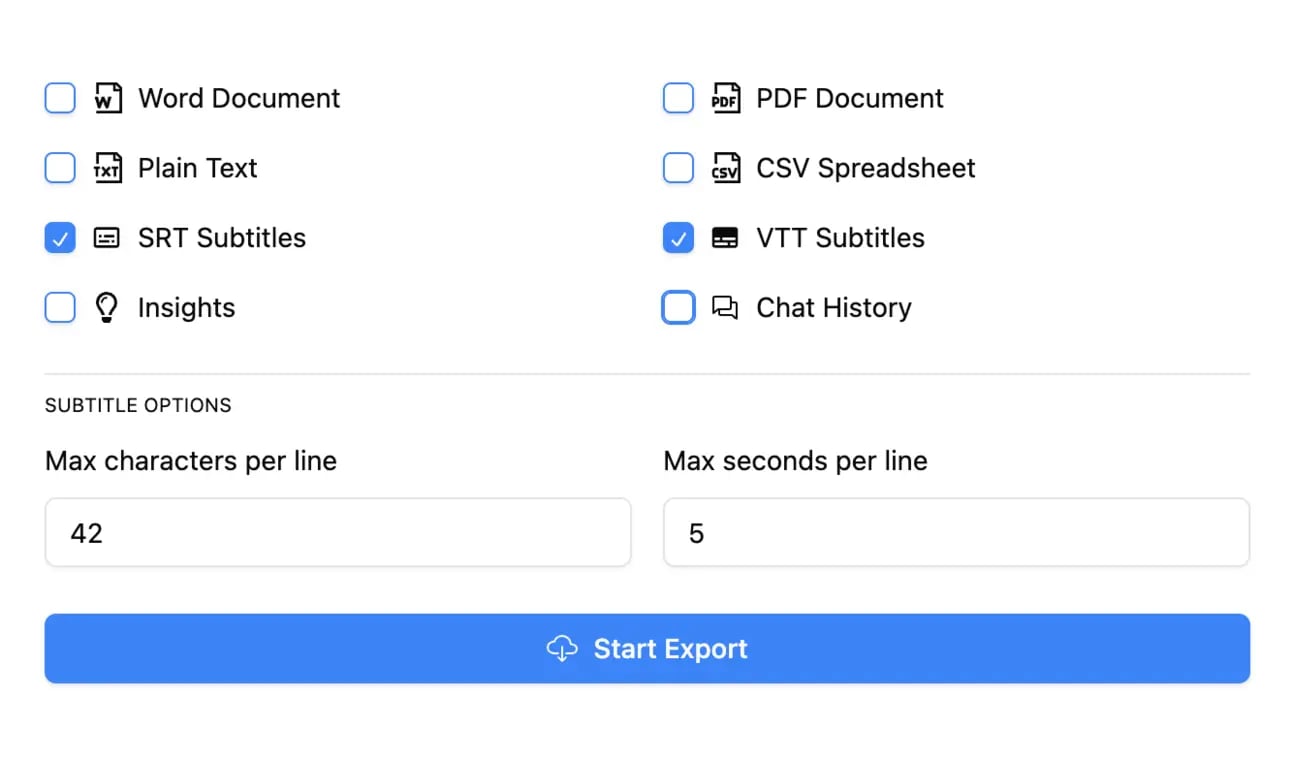
In mehreren Formaten exportieren
Exportiere deine Transkripte in mehreren Formaten, einschließlich TXT, DOCX, PDF, SRT und VTT mit anpassbaren Formatierungsoptionen.
4. E-Mail-Marketing-Integration
E-Mail-Marketing ist ein mächtiges Werkzeug, um gelegentliche Zuhörer in eine loyale, engagierte Community zu verwandeln. Diese Strategie beinhaltet den Aufbau einer E-Mail-Liste direkt aus Ihrem Podcast-Publikum, was Ihnen ermöglicht, eine direkte Kommunikationslinie aufzubauen, die Ihnen gehört und die Sie kontrollieren. Im Gegensatz zu Social-Media-Algorithmen oder Entdeckungsfunktionen von Podcast-Apps stellt E-Mail sicher, dass Ihre Nachricht direkt im Posteingang Ihrer Abonnenten landet, was tiefere Beziehungen fördert und eine konsistente Hörerschaft antreibt.
Das Kernprinzip ist, über Ihren Audioinhalt hinaus einen Mehrwert zu bieten. Indem Sie exklusive Ressourcen, Einblicke hinter die Kulissen oder frühen Zugang zu Episoden per E-Mail anbieten, geben Sie den Zuhörern einen überzeugenden Grund, sich anzumelden. Dies bewirbt nicht nur neue Episoden effektiv, sondern schafft auch eine Plattform für Monetarisierung, Feedback und Community-Aufbau, was es zu einer der zuverlässigsten Podcast-Marketingstrategien für langfristiges Wachstum macht.
Implementierung dieser Strategie
Eine erfolgreiche E-Mail-Strategie erfordert einen klaren Wertetausch. Berücksichtigen Sie diese umsetzbaren Methoden:
- Erstellen Sie einen überzeugenden Lead-Magneten: Bieten Sie in Ihren Podcast-Episoden ein wertvolles kostenloses Angebot an, wie eine PDF-Checkliste, eine exklusive Vorlage oder einen Bonus-Audio-Clip, den Zuhörer nur erhalten können, wenn sie sich für Ihre E-Mail-Liste anmelden.
- Segmentieren Sie Ihr Publikum: Wenn Ihre Liste wächst, segmentieren Sie Abonnenten basierend auf ihren Interessen oder den Themen, die sie zur Anmeldung bewogen haben. Dies ermöglicht es Ihnen, gezieltere und relevantere Inhalte zu versenden, was das Engagement erhöht.
- Automatisieren Sie eine Willkommenssequenz: Richten Sie eine automatisierte E-Mail-Serie für neue Abonnenten ein. Diese Sequenz kann sie mit Ihren beliebtesten vergangenen Episoden vertraut machen, die Entstehungsgeschichte Ihres Podcasts erzählen und Erwartungen für zukünftige E-Mails setzen.
Zum Beispiel nutzt Tim Ferriss meisterhaft seinen 5-Bullet Friday-Newsletter, um neue Podcast-Episoden subtil neben anderen wertvollen Inhalten zu bewerben und sein Publikum zu fesseln. Ebenso versendet John Lee Dumas von Entrepreneurs on Fire täglich E-Mails mit Podcast-Highlights und Ressourcen, wodurch er eine starke tägliche Gewohnheit für seine Zuhörer schafft.
Schlüsselerkenntnis: Ihr Call-to-Action ist entscheidend. Anstatt nur zu sagen "treten Sie meinem Newsletter bei", geben Sie klar an, was der Zuhörer erhalten wird. Zum Beispiel: "Gehen Sie zu mywebsite.com, um die kostenlose 10-Punkte-Checkliste zu erhalten, die ich in der heutigen Episode erwähnt habe." Dieser spezifische, wertorientierte Ansatz wird Ihre Anmelderate drastisch erhöhen.
Profi-Tipp
Ihre E-Mail-Liste ist der einzige Kanal, den Sie wirklich besitzen. Im Gegensatz zu sozialen Medien steht kein Algorithmus zwischen Ihnen und Ihrem Publikum.
5. Communityaufbau und Engagement
Eine der wirkungsvollsten Podcast-Marketingstrategien ist es, Ihre passiven Zuhörer in eine aktive, engagierte Community zu verwandeln. Dies beinhaltet die Schaffung dedizierter Online-Räume, in denen Ihr Publikum mit Ihnen und, was noch wichtiger ist, miteinander interagieren kann. Durch die Förderung eines Zugehörigkeitsgefühls bauen Sie eine loyale Zuhörerbasis auf, die nicht nur jede Woche einschaltet, sondern auch zu einem starken Motor für organische Mundpropaganda wird.
Diese Strategie geht über die Einwegkommunikation einer Podcast-Episode hinaus und schafft einen zweiseitigen Dialog. Eine florierende Community gibt den Zuhörern das Gefühl, Teil von etwas Größerem als nur einer Show zu sein; sie sind Teil eines Stammes. Dies vertieft ihre Verbindung zu Ihrer Marke, erhöht die Bindung und liefert unschätzbares Feedback zur Gestaltung Ihrer Inhalte.

So implementieren Sie diese Strategie
Der Aufbau einer Community erfordert bewusste und konsequente Anstrengungen. Es geht darum, über Ihren Audioinhalt hinaus Mehrwert zu bieten. Berücksichtigen Sie diese umsetzbaren Methoden:
- Wählen Sie Ihre Plattform: Wählen Sie eine Plattform, die zu den Gewohnheiten Ihres Publikums passt. Gängige Optionen sind eine dedizierte Facebook-Gruppe, ein Echtzeit-Discord-Server, ein themenfokussierter Subreddit oder eine Premium-Plattform wie Circle oder Mighty Networks.
- Von Ihnen geführte Interaktion: Ihre Präsenz ist entscheidend, besonders in den Anfangsphasen. Beteiligen Sie sich aktiv an Diskussionen, stellen Sie Fragen, führen Sie Umfragen durch und veranstalten Sie exklusive Frage-und-Antwort-Runden oder Live-Events, damit sich die Mitglieder gesehen und wertgeschätzt fühlen.
- Unterstützen Sie Superfans: Identifizieren Sie Ihre aktivsten Mitglieder und befähigen Sie sie als Moderatoren oder Community-Leiter. Dies hilft, Ihre Engagement-Bemühungen zu skalieren und das Gefühl der gemeinsamen Verantwortung unter den Zuhörern zu stärken.
- Erstellen Sie exklusive Inhalte: Bieten Sie Community-Mitgliedern Vorteile wie frühen Zugang zu Episoden, Bonusinhalte, Behind-the-Scenes-Aufnahmen oder exklusive Rabatte auf Merchandise. Dies ist ein Anreiz, beizutreten und aktiv zu bleiben.
Zum Beispiel hat Pat Flynn's Podcast Smart Passive Income eine sehr aktive Facebook-Community, in der Unternehmer Ideen austauschen und sich gegenseitig unterstützen. Ebenso haben viele True-Crime-Podcasts lebendige Reddit-Communities hervorgebracht, in denen Zuhörer Episoden sezieren und Theorien austauschen, wodurch die Lebensdauer jeder Episode weit über ihre Laufzeit hinaus verlängert wird.
Schlüsselerkenntnis: Eine erfolgreiche Community basiert auf klaren Richtlinien und konsequenter Moderation. Legen Sie von Anfang an Verhaltensregeln fest, um sicherzustellen, dass der Raum positiv und themenbezogen bleibt. Nutzen Sie das Feedback und die Fragen aus Ihrer Community, um Ihre zukünftigen Episodenthemen direkt zu gestalten und so eine leistungsstarke Feedbackschleife zu schaffen, die sicherstellt, dass Ihre Inhalte immer Anklang finden.
Wege, Ihre Community am Leben zu erhalten
👋 Neue Mitglieder begrüßen
Begrüßen Sie Neuankömmlinge mit angepinnten Beiträgen oder Vorstellungs-Threads, damit sie sich wie zu Hause fühlen.
📅 Live-Events veranstalten
Veranstalten Sie monatliche AMAs oder Q&A-Sitzungen, um das Engagement hoch zu halten.
🏆 Superfans belohnen
Heben Sie aktive Mitglieder mit Erwähnungen oder exklusiven Rollen hervor.
📢 Hinter den Kulissen teilen
Geben Sie Ihrer Community frühzeitig Zugang zu Updates oder Sneak Peeks kommender Episoden.
6. Implementieren Sie eine Strategie für Influencer- und Promi-Gäste
Die Buchung von hochkarätigen Gästen ist eine leistungsstarke Podcast-Marketingstrategie, die darauf abzielt, die bestehende Bekanntheit und das Publikum einer Person zu nutzen, um das Wachstum Ihres Podcasts voranzutreiben. Dieser Ansatz beinhaltet die Vorstellung bekannter Branchenexperten, Influencer oder Prominenter, die ihre etablierte Fangemeinde und Glaubwürdigkeit mitbringen und so Ihre Sichtbarkeit sofort und erheblich steigern.
Das Grundprinzip ist die Publikumsübertragung. Wenn eine prominente Persönlichkeit in Ihrer Show auftritt, bewirbt sie die Episode oft bei ihrer eigenen Fangemeinde, die Tausende oder sogar Millionen von Menschen umfassen kann. Dies macht Ihren Podcast einem riesigen, relevanten neuen Publikum auf eine äußerst überzeugende Weise zugänglich, da er mit der impliziten Zustimmung von jemandem einhergeht, dem sie bereits folgen und dem sie vertrauen.
So implementieren Sie diese Strategie
Die erfolgreiche Gewinnung und Nutzung eines wichtigen Gastes erfordert einen strategischen, professionellen Ansatz. Berücksichtigen Sie diese umsetzbaren Methoden:
- Beginnen Sie mit gestaffelter Kontaktaufnahme: Zielen Sie nicht vom ersten Tag an auf A-List-Prominente ab. Beginnen Sie damit, Influencer der mittleren Ebene oder angesehene Experten in Ihrer Nische anzusprechen. Eine Erfolgsbilanz bei hochwertigen Interviews mit diesen Personen baut die Glaubwürdigkeit Ihrer Show auf und macht sie später für größere Namen attraktiver.
- Erstellen Sie einen überzeugenden Pitch: Ihre Kontaktaufnahme muss prägnant und vorteilsorientiert sein. Erklären Sie klar, wer Ihr Publikum ist, warum es sich für den Gast interessieren würde und was der Gast von dem Auftritt hat (z. B. Bewerbung eines neuen Buches, Projekts oder einer Idee). Personalisieren Sie jeden einzelnen Pitch.
- Koordinieren Sie einen Werbeplan: Die Arbeit ist nach der Aufnahme noch nicht getan. Vereinbaren Sie vor der Ausstrahlung der Episode einen Werbeplan mit Ihrem Gast. Stellen Sie ihm vorgefertigte Assets wie Audioclips, Zitatgrafiken und Links zur Verfügung, damit er sie so einfach wie möglich mit seinem Publikum teilen kann.
Shows wie The Tim Ferriss Show und The Joe Rogan Experience basierten auf genau diesem Modell. Sie präsentieren konsequent Weltklasse-Künstler und einflussreiche Denker und nutzen die riesigen Plattformen ihrer Gäste als primäre Triebkraft für die Gewinnung von Publikum und die Festigung ihres Status als Top-Podcasts.
Schlüsselerkenntnis: Konzentrieren Sie sich darauf, was für den Gast drin ist. Rahmen Sie Ihre Einladung so, dass Sie ihm eine Plattform bieten, um ein Leidenschaftsprojekt zu teilen, ein neues Buch zu besprechen oder eine Zielgruppe zu erreichen. Ein gut recherchiertes, für beide Seiten vorteilhaftes Angebot wird mit weit höherer Wahrscheinlichkeit mit "Ja" beantwortet als eine einfache Fan-Anfrage.
7. Bezahlte Werbung und Sponsoring-Platzierungen
Während organisches Wachstum wirkungsvoll ist, kann eine strategische Investition in bezahlte Werbung die Gewinnung von Publikum erheblich beschleunigen und hochgradig zielgerichtete demografische Gruppen erreichen. Diese Podcast-Marketingstrategie beinhaltet die Zuweisung eines Budgets zur Bewerbung Ihrer Show auf verschiedenen Plattformen, von sozialen Medien bis hin zu anderen Podcasts, und wandelt finanzielle Investitionen direkt in Hörerwachstum um. Sie ermöglicht es Ihnen, den langsameren Prozess der organischen Entdeckung zu umgehen und Ihren Podcast direkt vor Ihr ideales Publikum zu bringen.
Das Kernprinzip ist Präzision und Skalierung. Im Gegensatz zu organischen Methoden, die auf Algorithmen oder Mundpropaganda angewiesen sind, gibt Ihnen bezahlte Werbung die Kontrolle darüber, wer Ihre Werbung sieht, wann er sie sieht und wie er sie sieht. Dies macht sie zu einem unschätzbaren Werkzeug für den Start einer neuen Show, die Bewerbung einer Schlüssel-Episode oder den Eintritt in eine wettbewerbsintensive Nische, in der organische Sichtbarkeit schwer zu erreichen ist.
So implementieren Sie diese Strategie
Eine erfolgreiche bezahlte Kampagne erfordert mehr als nur das Boostern eines Beitrags. Berücksichtigen Sie diese fokussierten Ansätze:
- Sponsoring-Platzierungen: Kaufen Sie Werbeplätze (Pre-Roll, Mid-Roll) in anderen Podcasts, die Ihr Zielpublikum bereits hört. Dies nutzt die Glaubwürdigkeit des Hosts und präsentiert Ihre Show einem engagierten, podcast-affinen Publikum. Plattformen wie Midroll und AdvertiseCast erleichtern diese Platzierungen.
- Social-Media-Anzeigen: Nutzen Sie Plattformen wie Instagram, Facebook oder TikTok, um gezielte Kampagnen durchzuführen. Erstellen Sie überzeugende Audiogramme oder Videoclips aus Ihren besten Momenten und zielen Sie auf Nutzer basierend auf ihren Interessen, demografischen Merkmalen und Hörgewohnheiten ab.
- Podcast-App-Werbung: Werben Sie direkt in Podcast-Hör-Apps wie Spotify oder Overcast. Diese Methode platziert Ihre Show vor Nutzern genau in dem Moment, in dem sie nach neuen Inhalten suchen, was zu sehr hohen Konversionsraten führt.
Zum Beispiel nutzt MasterClass effektiv gezielte Videoanzeigen in sozialen Medien, um seinen Podcast zu bewerben und Bildungsinhalte in einen leistungsstarken Lead-Magneten für seinen primären Abonnementdienst zu verwandeln. Ebenso bauten Marken wie Casper eine massive Bekanntheit auf, indem sie in ihren Anfangstagen konsequent eine breite Palette beliebter Podcasts sponserten.
Schlüsselerkenntnis: Beginnen Sie mit einem kleinen, testbaren Budget, um mit verschiedenen Plattformen und Anzeigenkreationen zu experimentieren. Verfolgen Sie akribisch Ihre Kosten pro Akquisition (CPA), um zu verstehen, was funktioniert. Sobald Sie einen profitablen Kanal gefunden haben, können Sie Ihre Investition für vorhersehbares Wachstum zuversichtlich skalieren.
8. Content-Serien und saisonale Kampagnen
Über einen endlosen Strom von Einzel-Episoden hinaus ist die Strukturierung Ihrer Inhalte in thematische Serien oder Saisons eine leistungsstarke Podcast-Marketingstrategie, die Vorfreude und Hörerbindung aufbaut. Dieser Ansatz behandelt Ihren Podcast wie eine Fernsehsendung mit unterschiedlichen Handlungsbögen, Werbezyklen und einem klaren Anfang und Ende. Dies schafft Knappheit und Dringlichkeit und ermutigt die Hörer, konsequent einzuschalten, damit sie nichts verpassen.
Dieses saisonale Modell verwandelt passives Hören in ein aktives, ereignisbasiertes Erlebnis. Indem Sie Episoden um ein bestimmtes Thema, Ereignis oder eine Erzählung gruppieren, schaffen Sie eine kohärentere und einprägsamere Reise für Ihr Publikum. Es bietet natürliche Möglichkeiten für gezielte Werbung und hilft, Inhaltsermüdung sowohl bei Ihnen als auch bei Ihren Hörern zu vermeiden.

So implementieren Sie diese Strategie
Eine erfolgreiche Content-Serie erfordert Planung und eine klare Werbestrategie. Berücksichtigen Sie diese Methoden, um Ihrem Podcast eine saisonale Struktur zu verleihen:
- Thematische Saisons: Widmen Sie eine ganze Saison der Erforschung eines breiten Themas aus mehreren Blickwinkeln. Zum Beispiel könnte ein Business-Podcast eine Saison haben, die sich ausschließlich auf "Startup-Finanzierung" konzentriert.
- Narrative Bögen: Strukturieren Sie eine Saison um eine einzige, sich entfaltende Geschichte. Dies ist das Modell, das den Podcast Serial zu einem globalen Phänomen machte, wobei jede Episode auf der vorherigen aufbaut.
- Eventbasierte Serien: Erstellen Sie eine limitierte Serie rund um ein wichtiges kulturelles Ereignis, einen Feiertag oder eine Branchenkonferenz. The New York Times' Podcast, The Daily, produziert oft mehrteilige Serien, die sich mit wichtigen Nachrichtenereignissen befassen, während sie sich entfalten.
- Werbekampagnen: Starten Sie jede neue Saison mit einer eigenen Kampagne. Dazu gehört die Erstellung einzigartiger Serien-Grafiken, Trailer-Episoden, Social-Media-Teaser und E-Mail-Ankündigungen, um vor dem Erscheinen der ersten Episode Hype aufzubauen.
Zum Beispiel hat Conan O’Brien Needs a Friend spezielle Reiseserien erstellt, wie ihre Episoden, die in Irland aufgenommen wurden und als Mini-Saisons innerhalb ihres regulären Formats dienen. Dies schafft ein eigenständiges Hörerlebnis, das sowohl bestehende als auch neue Fans anzieht.
Schlüsselerkenntnis: Planen Sie Ihren Content-Kalender in Saisons oder Mehr-Episoden-Bögen. Bevor eine Saison beginnt, erstellen Sie ein Werbe-Toolkit, das einen Trailer, einzigartige Grafiken und Social-Media-Assets enthält. Nutzen Sie Cliffhanger und Teaser zwischen den Episoden, um die Dynamik aufrechtzuerhalten und eine engagierte "Appointment-Listening"-Gewohnheit bei Ihrem Publikum aufzubauen.
9. Multi-Format Content-Wiederverwendung
Eine der effizientesten und leistungsstärksten Podcast-Marketingstrategien ist es, eine Episode nicht mehr als einzelnes Inhaltselement zu betrachten. Betrachten Sie stattdessen jede Aufnahme als eine Content-Goldgrube, die in Dutzende von Assets umgewandelt werden kann. Dieser Ansatz, bekannt als Multi-Format Content-Wiederverwendung, beinhaltet die systematische Umwandlung einer langen Audioaufnahme in eine Vielzahl von Formaten, die für verschiedene Plattformen zugeschnitten sind.
Diese Strategie maximiert den Wert und die Reichweite der Bemühungen, die Sie bereits in die Erstellung Ihrer Kern-Episode investiert haben. Indem Sie Ihre Inhalte in kleinere, plattformnative Stücke aufteilen, können Sie Zielgruppen auf YouTube, Instagram, LinkedIn und Ihrem Blog ansprechen und gleichzeitig Traffic zurück zu Ihrem Haupt-Podcast leiten. Sie ermöglicht es Ihnen, scheinbar überall präsent zu sein, ohne für jeden einzelnen Kanal originelle Inhalte erstellen zu müssen.
So implementieren Sie diese Strategie
Ein systematischer Workflow ist der Schlüssel, um die Wiederverwendung überschaubar und effektiv zu gestalten. Schneiden Sie Ihre Episode nicht einfach zufällig zurecht; seien Sie strategisch, wie und wo Sie die Inhalte verteilen.
- Erstellen Sie Videoclips für soziale Medien: Identifizieren Sie die wirkungsvollsten 30-90-Sekunden-Segmente Ihrer Episode. Verwenden Sie Tools wie Canva oder Videobearbeitungssoftware, um Untertitel, eine Überschrift und Ihr Branding hinzuzufügen, und teilen Sie diese dann als Reels, Shorts und TikToks.
- Schreiben Sie einen detaillierten Blogbeitrag: Verwenden Sie Ihr Episoden-Transkript als Grundlage für einen umfassenden Blogbeitrag oder Artikel. Erweitern Sie die Kernthemen, betten Sie den vollständigen Episoden-Player ein und optimieren Sie ihn für Suchmaschinen, um neue Hörer über Google zu gewinnen.
- Gestalten Sie Zitatgrafiken und Audiogramme: Extrahieren Sie aussagekräftige Zitate oder wichtige Erkenntnisse aus Ihrer Episode. Erstellen Sie visuell ansprechende Grafiken für Instagram-Feeds und Stories oder verwandeln Sie sie in Audiogramme (ein statisches Bild mit einer animierten Wellenform), um sie in sozialen Medien zu teilen.
Dieses Modell wurde von Unternehmern wie Gary Vaynerchuk popularisiert, dessen Team aus einer einzigen Keynote oder Podcast-Episode angeblich über 30 Inhalte erstellt. Ebenso verwertet Lewis Howes seine The School of Greatness-Interviews meisterhaft in überzeugende YouTube-Videos und Instagram-Inhalte. Mehr über die Entwicklung eines robusten Systems erfahren Sie mit diesen Strategien zur Wiederverwendung von Inhalten.
Schlüsselerkenntnis: Erstellen Sie sofort nach Abschluss der Aufnahme einer Episode eine Checkliste zur Wiederverwendung von Inhalten. Diese sollte jedes Asset auflisten, das Sie erstellen werden, von Videoclips und Zitatkarten bis hin zu einem vollständigen Blogbeitrag. Ein strukturierter Prozess verwandelt diese leistungsstarke Strategie von einer überwältigenden Idee in eine skalierbare Marketingmaschine.
Transkription auf die nächste Stufe heben
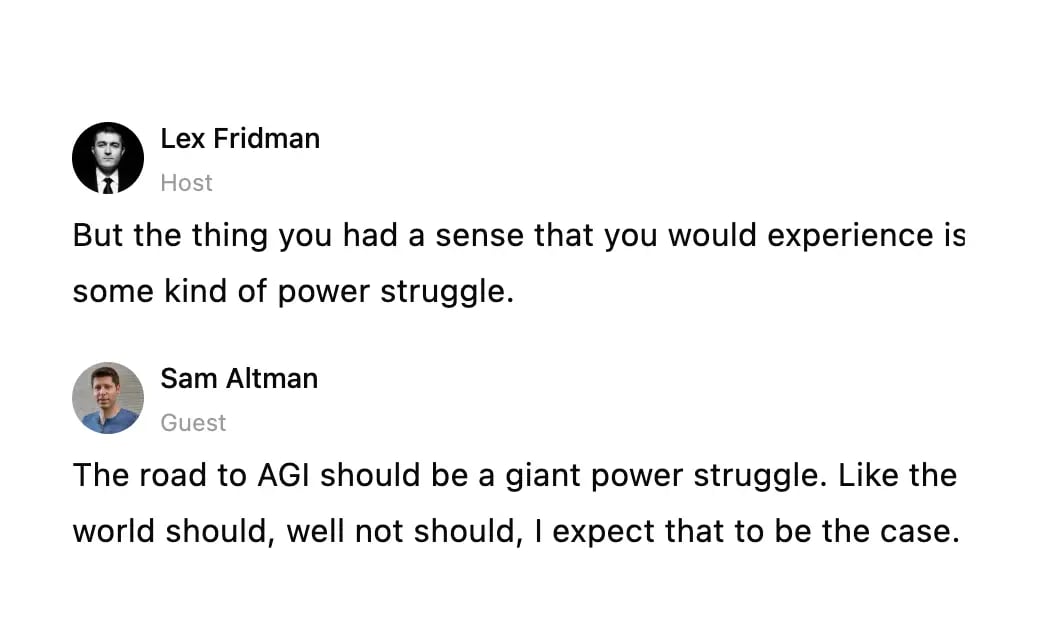
Sprechererkennung
Identifiziere automatisch verschiedene Sprecher in deinen Aufnahmen und beschrifte sie mit ihren Namen.
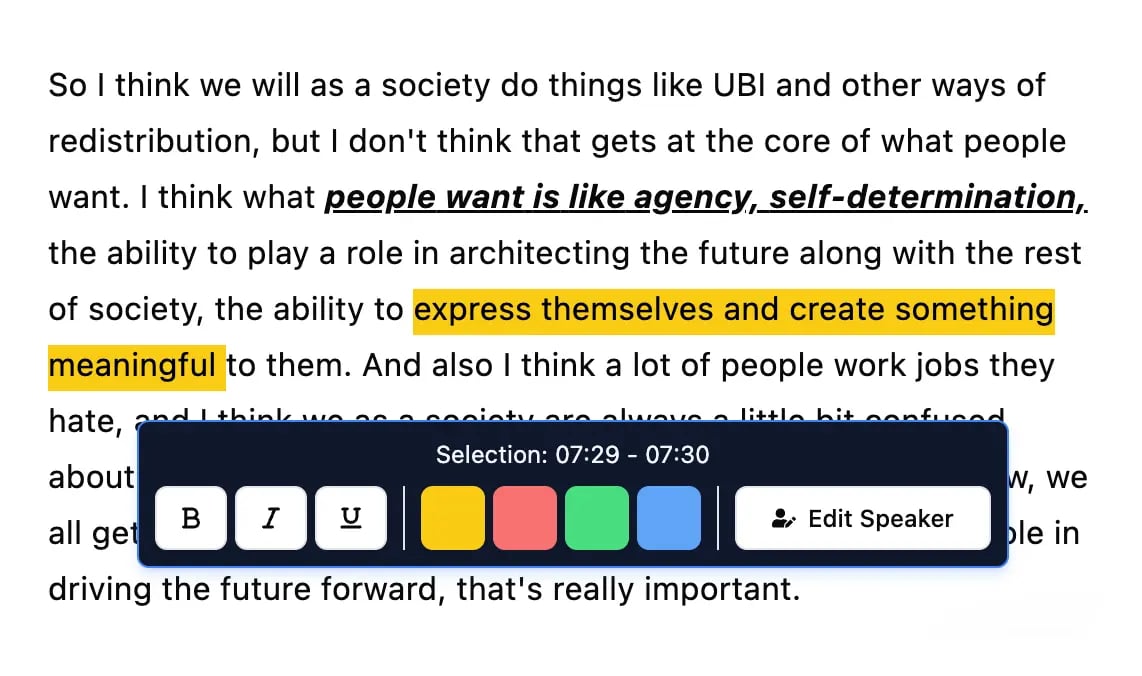
Bearbeitungswerkzeuge
Bearbeite Transkripte mit leistungsstarken Werkzeugen wie Suchen und Ersetzen, Sprecherzuordnung, Rich-Text-Formate und Hervorhebungen.
Zusammenfassungen und Chatbot
Erstelle Zusammenfassungen und andere Erkenntnisse aus deinem Transkript, wiederverwendbare benutzerdefinierte Prompts und Chatbot für deine Inhalte.
Integrationen
Verbinde dich mit deinen bevorzugten Tools und Plattformen, um deinen Transkriptions-Workflow zu optimieren.
10. Strategische Partnerschaften und Markenkooperationen
Über einfache Cross-Promotionen hinaus ist die Bildung strategischer Partnerschaften mit etablierten Marken und Organisationen eine wirkungsvolle Podcast-Marketingstrategie. Dieser Ansatz beinhaltet die Schaffung formeller Kooperationen, die die Zielgruppe, Glaubwürdigkeit und Ressourcen eines Partners nutzen, um die Sichtbarkeit und Autorität Ihrer Show erheblich zu steigern.
Die Kernidee ist, Ihren Podcast mit einer komplementären, aber nicht konkurrierenden Marke zu verbinden, um einzigartige, Co-Branded-Inhalte oder Kampagnen zu erstellen. Im Gegensatz zu lockeren Gastwechseln sind diese Partnerschaften oft strukturierter und beinhalten gemeinsame Ziele, Ressourcen und Werbemaßnahmen. Dies hebt Ihren Podcast von einer eigenständigen Medienentität zu einem geschätzten Content-Partner für eine anerkannte Marke.
So implementieren Sie diese Strategie
Eine erfolgreiche Markenkooperation erfordert sorgfältige Planung und ein klares Wertversprechen. Berücksichtigen Sie diese umsetzbaren Methoden:
- Co-Branded-Serien: Produzieren Sie eine spezielle Episodenreihe in Partnerschaft mit einer Marke. Die Inhalte sollten sowohl zum Thema Ihres Podcasts als auch zur Mission der Marke passen und beiden Zielgruppen einen Mehrwert bieten.
- Content-Syndizierung: Arbeiten Sie mit einem Medienunternehmen oder einer großen Organisation zusammen, um Ihre Episoden auf deren Website, in deren Newsletter oder über deren soziale Kanäle zu veröffentlichen. Dies dient als leistungsstarker Vertriebskanal.
- Integration von gesponserten Inhalten: Arbeiten Sie mit einer Marke zusammen, um Inhalte zu erstellen, die deren Produkt oder Dienstleistung auf natürliche Weise integrieren, sodass sie für Ihre Hörer authentisch und informativ wirken und nicht nur eine Standardwerbung.
Beispielsweise arbeitet NPR häufig mit seinen lokalen Mitgliedssendern zusammen, um Podcast-Inhalte gemeinsam zu produzieren und zu vertreiben, und erschließt damit regionale Zielgruppen. Ebenso arbeitet die Harvard Business Review oft mit Top-Business-Podcasts zusammen, um exklusive Inhalte zu erstellen und zu teilen, was dem Podcast akademische Glaubwürdigkeit verleiht und gleichzeitig die Reichweite von HBR auf den Audiobereich ausdehnt.
Schlüsselerkenntnis: Beginnen Sie klein, indem Sie Marken identifizieren, die Ihre Nische bedienen. Bereiten Sie ein professionelles Media-Kit und einen Partnerschaftsvorschlag vor, der die gegenseitigen Vorteile darlegt, einschließlich Zielgruppendemografie, Content-Ideen und einem klaren Werbeplan. Ziel ist es, einem potenziellen Partner genau zu zeigen, wie eine Zusammenarbeit ihm helfen wird, seine Marketingziele zu erreichen.
Vergleich von Podcast-Marketingstrategien
| Strategie | Implementierungskomplexität 🔄 | Ressourcenbedarf ⚡ | Erwartete Ergebnisse 📊 | Ideale Anwendungsfälle 💡 | Hauptvorteile ⭐ |
|---|---|---|---|---|---|
| Cross-Promotion und Gastwechsel | Mittel - erfordert Beziehungsaufbau und Koordination | Gering - hauptsächlich Zeit und Networking | Erweiterte Reichweite für gezielte Zielgruppen | Podcaster, die kostengünstiges, organisches Zielgruppenwachstum anstreben | Kostengünstig, baut Glaubwürdigkeit auf, Netzwerkerweiterung |
| Social-Media-Content-Verstärkung | Hoch - erfordert konsistente plattformübergreifende Content-Erstellung | Mittel - Content-Erstellung und -Management | Erhöhte Interaktion und verlängerte Content-Lebensdauer | Podcasts, die auf breite Sichtbarkeit auf allen Plattformen abzielen | Echtzeit-Interaktion, visuelle Reichweite, kostengünstig |
| SEO-optimierte Show Notes und Transkripte | Mittel bis Hoch - erfordert SEO-Kenntnisse und Transkription | Mittel bis Hoch - Zeit oder Transkriptionsbudget | Verbesserte Auffindbarkeit und organischer Traffic | Podcasts, die langfristiges organisches Suchwachstum wünschen | Verbessert SEO, Zugänglichkeit, Website-Traffic |
| E-Mail-Marketing-Integration | Mittel - List-Building und Content-Planung erforderlich | Mittel - E-Mail-Plattform und Content-Erstellung | Höhere Interaktion und direkte Zielgruppenkommunikation | Podcaster, die eigene Zielgruppenkanäle aufbauen | Personalisierte Kommunikation, eigene Medien, Monetarisierung |
| Community-Aufbau und Engagement | Hoch - erfordert aktive Moderation und Content-Interaktion | Mittel bis Hoch - laufender Managementaufwand | Erhöhte Hörerbindung und Feedbackschleife | Podcasts, die sich auf tiefgehende Community und Hörerbindung konzentrieren | Baut loyale Zielgruppe auf, Feedback, Premium-Möglichkeiten |
| Influencer- und Promi-Gaststrategie | Hoch - Herausforderungen bei der Gästebuchung und Koordination | Mittel - Kontaktaufnahme und Vorbereitung | Sofortige Glaubwürdigkeit und erweiterte Zielgruppenreichweite | Podcasts, die auf schnelles Wachstum durch hochkarätige Gäste abzielen | Autoritätssteigerung, Zugang zur Gästegruppe, PR-Sichtbarkeit |
| Bezahlte Werbung und Sponsoring-Platzierung | Hoch - laufendes Budgetmanagement und Optimierung | Hoch - finanzielle Investition erforderlich | Schnelles Zielgruppenwachstum mit messbarem ROI | Podcasts mit Budget für beschleunigtes, gezieltes Wachstum | Präzise Zielgruppenansprache, schnelle Skalierung, ROI-Metriken |
| Content-Serien und saisonale Kampagnen | Mittel bis Hoch - erfordert Vorausplanung und Koordination | Mittel - thematische Produktion und Marketing | Erhöhte Hörerbindung und Binge-Listening | Podcasts, die eine episodische Struktur und Event-Tie-ins wünschen | Baut Vorfreude auf, kohärentes Marketing, Binge-Potenzial |
| Mehrformatiges Content-Recycling | Hoch - komplexe Produktion und Qualitätskontrolle | Hoch - erheblicher Content-Produktionsaufwand | Maximierte Reichweite und Content-ROI | Podcasts, die auf vielfältige Plattformen und Zielgruppentypen abzielen | Breite Zielgruppenreichweite, Content-Effizienz, mehrere Formate |
| Strategische Partnerschaften und Markenkooperationen | Hoch - erfordert Prüfung und gemeinsame Content-Kontrolle | Mittel bis Hoch - gemeinsame Produktion und Promotion | Zugang zu Partnerzielgruppen und verbesserte Glaubwürdigkeit | Podcasts, die auf Premium-Kooperationen und erweiterte Reichweite abzielen | Gemeinsame Ressourcen, Glaubwürdigkeit, Monetarisierungspotenzial |
Ihr Marketing-Schwungrad: Strategie in nachhaltiges Wachstum verwandeln
Die Navigation durch die weitläufige Welt der Podcast-Marketingstrategien kann überwältigend sein. Wir haben zehn wirkungsvolle Wege erkundet, von kollaborativen Gastwechseln und strategischer Social-Media-Verstärkung bis hin zur grundlegenden Kraft von SEO-optimierten Show Notes und dem Community-Aufbau-Zauber direkter Interaktion. Jede Strategie stellt einen eigenständigen Hebel dar, den Sie betätigen können, um Ihre Stimme zu verstärken und Ihr Publikum zu erweitern. Das wahre Erfolgsgeheimnis liegt jedoch nicht darin, alle zehn Hebel gleichzeitig zu betätigen. Es geht darum, ein nachhaltiges, vernetztes System aufzubauen – ein Marketing-Schwungrad.
Das effektivste Podcast-Marketing ist keine Checkliste isolierter Aufgaben, sondern eine kohäsive Maschine, bei der jede Komponente die nächste speist. Stellen Sie es sich so vor: SEO-optimierte Show Notes und Transkripte machen Ihre Inhalte für Suchmaschinen auffindbar und bringen neue, hochmotivierte Hörer. Wenn diese neuen Hörer eintreffen, geben Ihre ansprechende Community und Ihr überzeugender E-Mail-Newsletter ihnen einen Grund zu bleiben und verwandeln sie von gelegentlichen Hörern in treue Fans. Diese engagierte Community wird dann zu Ihrem mächtigsten Werbemittel, das Ihre mehrformatigen, wiederverwendeten Inhalte über soziale Medien teilt und Ihre Reichweite organisch verstärkt.
Von einzelnen Taktiken zu einem kohäsiven System
Die wichtigste Erkenntnis ist, über einen "Einmal und fertig"-Ansatz hinauszugehen. Anstatt jede dieser zehn Strategien als separat zu betrachten, beginnen Sie, die mächtigen Verbindungen zwischen ihnen zu erkennen. Ein einzelner hochkarätiger Gastauftritt ist zum Beispiel nicht nur eine Episode. Es ist eine Gelegenheit, um:
- Dutzende von Social-Media-Assets zu erstellen: Verwandeln Sie Schlüsselzitate in Audiogramme, Videoclips und Grafiken.
- Ihren E-Mail-Newsletter zu befeuern: Teilen Sie Einblicke hinter die Kulissen der Aufnahmesitzung mit Ihren Abonnenten.
- Ihr SEO zu verbessern: Der Name des Gastes wird zu einem wertvollen Schlüsselwort, das Suchverkehr auf das Transkript und die Show Notes dieser spezifischen Episode lenkt.
- Eine strategische Partnerschaft einzuleiten: Diese anfängliche Gastkooperation könnte sich im Laufe der Zeit zu einer größeren Markenpartnerschaft entwickeln.
Dieser vernetzte Ansatz schafft Schwung. Jede Ihrer Aktionen bewirbt nicht nur eine einzelne Episode, sondern stärkt Ihr gesamtes Marketing-Ökosystem. Sie schreien nicht mehr nur ins Leere und hoffen auf Hörer. Sie bauen eine Gravitationskraft um Ihre Inhalte auf, die ein Publikum anzieht und bindet, das mit jeder Umdrehung des Schwungrads wächst.
Ihre umsetzbaren nächsten Schritte: Bauen Sie Ihr Schwungrad
Um diese Podcast-Marketingstrategien in die Tat umzusetzen, widerstehen Sie dem Drang, alles zu tun. Wählen Sie stattdessen einen fokussierten, dreiteiligen Ansatz, um Ihr Momentum aufzubauen.
- Wählen Sie eine grundlegende Strategie: Beginnen Sie mit etwas, das Ihre bestehenden Inhalte effektiver für Sie arbeiten lässt. SEO-optimierte Show Notes und Transkripte sind der perfekte Ausgangspunkt. Sie sind unerlässlich für die Auffindbarkeit und liefern das Rohmaterial für unzählige andere Marketingbemühungen.
- Wählen Sie eine Kollaborationsstrategie: Sie können nicht im Vakuum wachsen. Wählen Sie eine Strategie, die die Zielgruppen anderer Menschen nutzt, wie z. B. Cross-Promotion und Gastwechsel oder die Verfolgung eines Influencer- und Promi-Gastes. Dies ist Ihr primärer Motor, um Ihre Show neuen, relevanten Hörern vorzustellen.
- Wählen Sie eine Verstärkungsstrategie: Wählen Sie schließlich eine Methode, um die Reichweite jeder Episode zu maximieren. Mehrformatiges Content-Recycling oder ein fokussierter Plan zur Social-Media-Content-Verstärkung stellen sicher, dass Ihre harte Arbeit auf mehreren Plattformen gesehen und gehört wird, lange nachdem die Episode veröffentlicht wurde.
Indem Sie sich nur für eine Strategie aus jeder dieser Kategorien verpflichten, schaffen Sie ein leistungsfähiges und überschaubares System. Ihr grundlegendes SEO bringt Leute herein, Ihre kollaborativen Bemühungen stellen Sie neuen Zielgruppen vor, und Ihre Verstärkungstaktiken halten Ihre Inhalte im Umlauf. Dies ist der Bauplan, um sporadische Werbemaßnahmen in eine vorhersagbare Maschine für nachhaltiges Zielgruppenwachstum zu verwandeln. Der Weg von einer Handvoll Downloads zu einer blühenden Community ist mit Konsistenz gepflastert, und Ihr Marketing-Schwungrad ist das Fahrzeug, das Sie dorthin bringt.
Diesen Schritt nicht überspringen
Ohne eine Grundlage aus Transkription + SEO werden selbst die besten Podcast-Promotion-Strategien ins Leere laufen. Bauen Sie zuerst Ihre Basis auf.
Bereit, das wichtigste Stück Ihrer Marketing-Grundlage zu legen? Erstellen Sie mühelos SEO-freundliche Transkripte und Show Notes, die für die Auffindbarkeit unerlässlich sind, mit Transcript.LOL. Hören Sie auf, manuell zu tippen, und beginnen Sie mit der automatischen Generierung der Inhalte, die Sie benötigen, um neue Zuhörer zu gewinnen, indem Sie noch heute 👉 Transcript.LOL besuchen.