
Top 10 Metodi di Analisi Qualitativa dei Dati per Ricercatori...
Scopri 10 potenti metodi di analisi qualitativa dei dati. Questa guida copre analisi tematica, grounded theory, analisi del contenuto e altro ancora con esempi pratici.
Kate, Praveen
August 7, 2025
I dati qualitativi, dalle trascrizioni di interviste alle discussioni di focus group, sono ricchi di storie umane, opinioni sfumate e complesse dinamiche sociali. Ma come si trasforma questo mare di parole in intuizioni chiare e attuabili? La chiave sta nello scegliere l'approccio analitico giusto. Mentre potenti strumenti di IA possono trascrivere istantaneamente audio e video, il vero viaggio inizia quando si applicano metodi strutturati di analisi dei dati qualitativi per scoprire il significato al loro interno.
Questa guida presenta dieci metodi essenziali, ognuno dei quali offre una lente unica per interpretare i tuoi dati, identificare schemi critici e costruire una narrazione avvincente dalla tua ricerca. Andremo oltre la teoria e forniremo passaggi specifici e attuabili per ogni framework, assicurandoti di poter applicare queste tecniche direttamente al tuo lavoro.
Che tu sia un ricercatore di mercato che analizza il feedback dei clienti, un giornalista che mette insieme una storia o uno studente che affronta il suo primo progetto importante, questa panoramica ti fornirà le conoscenze necessarie per selezionare e implementare il metodo perfetto. Padroneggiando questi approcci, puoi garantire che i tuoi risultati siano sia rigorosi che di impatto. Esploriamo i framework che trasformano i dati grezzi in una profonda comprensione.
1. Analisi Tematica
L'analisi tematica è uno dei metodi di analisi dei dati qualitativi più fondamentali e flessibili, focalizzato sull'identificazione, l'analisi e la segnalazione di schemi (o "temi") all'interno di un set di dati. Reso popolare da Virginia Braun e Victoria Clarke, offre un approccio sistematico ma adattabile alla comprensione di dati qualitativi complessi, come trascrizioni di interviste o discussioni di focus group.
Il processo prevede una profonda familiarizzazione con i dati, seguita dalla generazione di codici iniziali che rappresentano caratteristiche interessanti. Questi codici vengono quindi raccolti in temi potenziali, che vengono rivisti, raffinati e definiti. Il risultato è un resoconto ricco, dettagliato e sfumato dei dati.
Quando Usare l'Analisi Tematica
Questo metodo è ideale quando è necessario comprendere le esperienze, le opinioni e le percezioni delle persone. Ad esempio, un team di marketing potrebbe utilizzarlo per analizzare le trascrizioni del feedback dei clienti al fine di identificare temi chiave relativi alla soddisfazione del prodotto e alla percezione del marchio. Allo stesso modo, i ricercatori sanitari lo utilizzano per esplorare le narrazioni dei pazienti sulla convivenza con una malattia cronica, scoprendo sfide comuni e meccanismi di coping.
Suggerimenti Attuabili per l'Implementazione
- Sviluppare un Codebook: Crea un codebook dettagliato che definisca ogni codice e tema. Questo documento è cruciale per mantenere la coerenza, soprattutto quando si lavora in team.
- Usare un Approccio Induttivo o Deduttivo: Decidi se i tuoi temi emergeranno direttamente dai dati (induttivo) o saranno guidati da un quadro teorico preesistente (deduttivo).
- Garantire l'Affidabilità: Implementa controlli di affidabilità inter-rater in cui più ricercatori codificano indipendentemente lo stesso campione di dati e quindi confrontano i risultati. Questo rafforza la validità dei tuoi risultati.
- Mantenere una Traccia di Audit: Documenta ogni decisione presa durante il processo di analisi. Questa trasparenza rende la tua ricerca più credibile e più facile da replicare.
L'analisi tematica fornisce un percorso chiaro e accessibile per scoprire le storie nascoste nei tuoi dati qualitativi. Per approfondire i passaggi pratici, puoi saperne di più sull'analisi dei dati qualitativi e sull'applicazione efficace di queste tecniche.
2. Grounded Theory
La grounded theory è un metodo sistematico di analisi dei dati qualitativi utilizzato per sviluppare teorie che sono "fondate" sui dati. Sviluppato dai sociologi Barney Glaser e Anselm Strauss, coinvolge la raccolta e l'analisi dei dati simultaneamente. Invece di iniziare con un'ipotesi, il ricercatore consente ai concetti teorici di emergere organicamente dai dati attraverso un processo di confronto costante e iterazione.

Questo processo iterativo prevede di andare avanti e indietro tra la raccolta e l'analisi dei dati, con ogni fase che informa la successiva. L'obiettivo finale non è solo descrivere un fenomeno, ma generare un quadro esplicativo che tenga conto dei processi fondamentali osservati nei dati.
Quando Usare la Grounded Theory
Questo metodo è più adatto per domande di ricerca per le quali si sa poco di un fenomeno o quando le teorie esistenti sono inadeguate. Ad esempio, un sociologo potrebbe utilizzarlo per sviluppare una nuova teoria sul cambiamento organizzativo studiando le dinamiche interne di un'azienda. Allo stesso modo, i ricercatori infermieristici possono utilizzarlo per costruire un modello teorico dei meccanismi di coping dei pazienti basato su interviste approfondite.
Suggerimenti Attuabili per l'Implementazione
- Codificare Immediatamente: Inizia a codificare non appena raccogli il tuo primo dato. Ciò consente ai risultati iniziali di guidare gli sforzi di raccolta dati successivi.
- Scrivere Memos Frequenti: Scrivi regolarmente memo dettagliati per catturare i tuoi pensieri, i concetti emergenti e le relazioni che osservi tra diversi codici.
- Usare il Campionamento Teorico: Seleziona intenzionalmente nuovi partecipanti o fonti di dati che possono aiutare a testare, raffinare ed elaborare la tua teoria emergente.
- Mantenere le Fasi di Codifica: Mantieni una chiara distinzione tra le fasi di codifica aperta (identificazione dei concetti), assiale (relazione delle categorie) e selettiva (integrazione e raffinamento della teoria).
La grounded theory fornisce una struttura rigorosa per costruire nuove intuizioni teoriche direttamente dai tuoi dati. Per comprendere meglio la sua applicazione con tipi di dati specifici, puoi esplorare i passaggi per analizzare i dati delle interviste attraverso questa lente.
Perché la Trascrizione Accurata è Importante nella Ricerca sulla Grounded Theory
IA all'avanguardia
Alimentato da Whisper di OpenAI per una precisione leader nel settore. Supporto per vocabolari personalizzati, file fino a 10 ore e risultati ultra rapidi.

Importa da più fonti
Importa file audio e video da varie fonti tra cui caricamento diretto, Google Drive, Dropbox, URL, Zoom e altro.
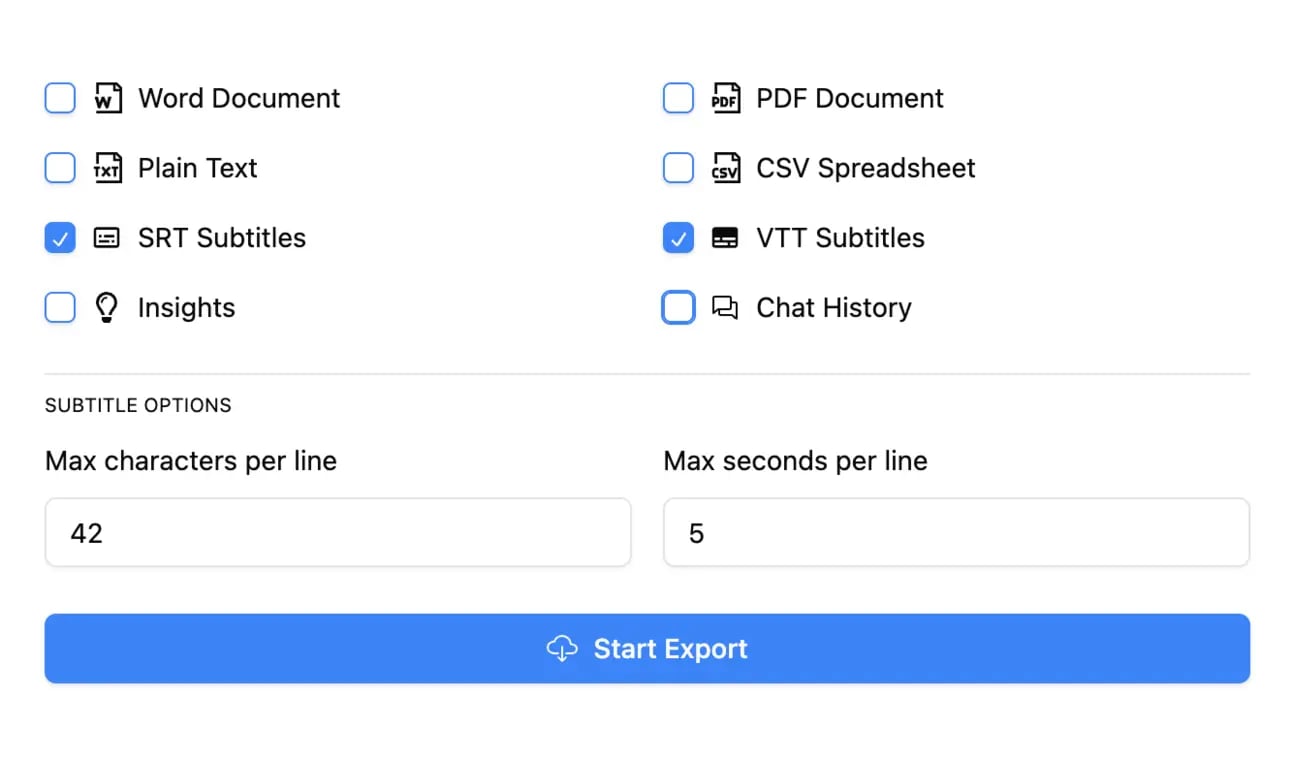
Esporta in più formati
Esporta le tue trascrizioni in più formati tra cui TXT, DOCX, PDF, SRT e VTT con opzioni di formattazione personalizzabili.
3. Analisi del Contenuto
L'analisi del contenuto è un metodo di ricerca sistematico utilizzato per quantificare e interpretare la presenza, i significati e le relazioni di parole, temi o concetti specifici all'interno di dati qualitativi. A differenza dei metodi che si concentrano esclusivamente sul significato sottostante, l'analisi del contenuto spesso colma il divario tra approcci qualitativi e quantitativi codificando e contando sistematicamente le frequenze per identificare schemi. Può essere applicata a una vasta gamma di materiali, tra cui testo, immagini e video.
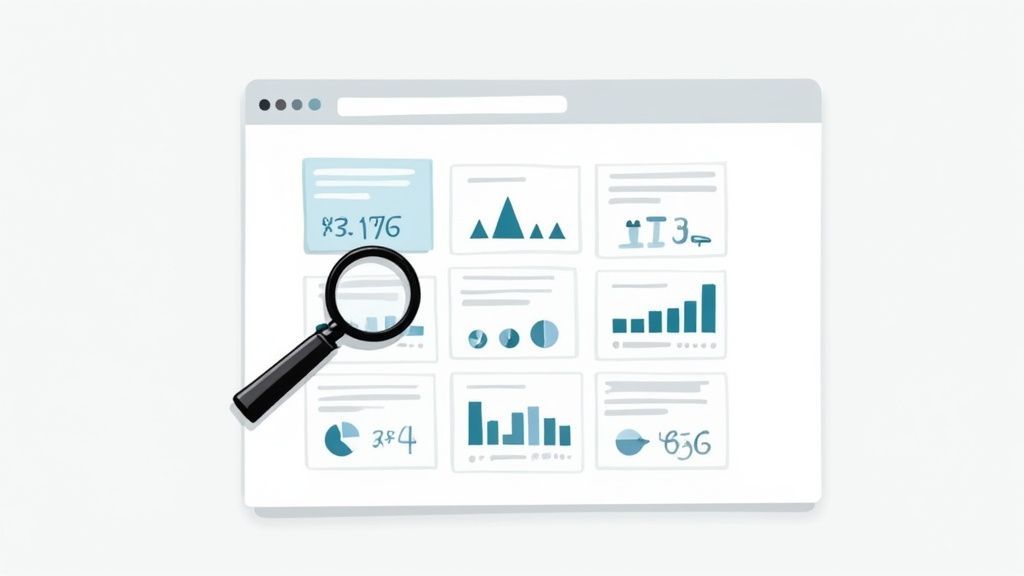
Il processo prevede lo sviluppo di uno schema di codifica con categorie chiare e la sua successiva applicazione al set di dati. I ricercatori possono quindi analizzare la frequenza e le relazioni tra questi codici. Questo approccio sistematico, fortemente influenzato da studiosi come Klaus Krippendorff, offre un modo affidabile per analizzare oggettivamente i modelli di comunicazione.
Quando Utilizzare l'Analisi del Contenuto
Questo metodo è molto efficace quando è necessario analizzare grandi volumi di testo o media per comprendere le tendenze comunicative, la rappresentazione mediatica o il sentimento pubblico. Ad esempio, un team di marketing potrebbe utilizzare l'analisi del contenuto per esaminare le menzioni sui social media e categorizzare il feedback dei clienti come positivo, negativo o neutro. Allo stesso modo, i ricercatori dei media potrebbero utilizzarla per analizzare articoli di notizie al fine di monitorare la rappresentazione di specifiche questioni sociali nel tempo.
Suggerimenti Azionabili per l'Implementazione
- Sviluppare Linee Guida di Codifica Dettagliate: Creare un manuale di codifica chiaro e completo che definisca ogni categoria con esempi specifici. Questo è fondamentale per la coerenza.
- Testare il Tuo Schema di Codifica: Pilotare lo schema di codifica su un piccolo campione di dati per identificare eventuali ambiguità o problemi prima dell'implementazione completa.
- Calcolare l'Affidabilità Inter-Codificatore: Far codificare gli stessi dati da più ricercatori e utilizzare una metrica come il Kappa di Cohen per garantire che la codifica sia affidabile e non solo l'interpretazione soggettiva di una persona.
- Documentare le Regole Decisionali: Tenere un registro di come si gestiscono contenuti ambigui o borderline. Questa trasparenza rafforza la credibilità dei tuoi risultati.
Perché l'Analisi del Contenuto Richiede Dati Puliti?
L'Analisi del Contenuto si basa pesantemente su una categorizzazione precisa e conteggi di frequenza, il che significa che anche piccoli errori di trascrizione possono distorcere i risultati. L'utilizzo di uno strumento di trascrizione ad alta accuratezza garantisce che il tuo set di dati rimanga coerente e affidabile. Dati puliti accelerano anche i controlli di affidabilità inter-codificatore.
4. Analisi Fenomenologica
L'analisi fenomenologica è un metodo di analisi qualitativa dei dati che approfondisce le esperienze vissute dagli individui per comprenderne l'essenza di un particolare fenomeno. Radicato nella filosofia e reso popolare da pensatori come Edmund Husserl, cerca di scoprire come le persone percepiscono, interpretano e danno un senso al loro mondo. Questo approccio dà priorità alla comprensione della realtà soggettiva dei partecipanti.
Il nucleo di questo metodo prevede che il ricercatore "parentizzi" o metta da parte le proprie nozioni preconcette per concentrarsi interamente sulla narrazione del partecipante. Analizzando interviste approfondite o resoconti personali, il ricercatore identifica le strutture fondamentali di un'esperienza, rivelando il significato condiviso che costituisce un fenomeno specifico.
Quando Utilizzare l'Analisi Fenomenologica
Questo metodo è più adatto per domande di ricerca che mirano a comprendere il significato e il nucleo delle esperienze umane. Ad esempio, un ricercatore sanitario potrebbe utilizzarlo per esplorare l'esperienza vissuta dai pazienti che si riprendono da un intervento chirurgico importante, scoprendo l'essenza del loro percorso attraverso il dolore, la guarigione e la riabilitazione. Allo stesso modo, i ricercatori nell'ambito dell'istruzione potrebbero utilizzarlo per comprendere l'esperienza profonda degli studenti di prima generazione che si adattano alla vita universitaria.
Suggerimenti Azionabili per l'Implementazione
- Pratica la Riflessività: Tieni un diario dettagliato per documentare i tuoi bias, le tue supposizioni e le tue reazioni durante tutto il processo di ricerca. Questa pratica è cruciale per parentizzare la tua prospettiva.
- Conduci Interviste Approfondite: Utilizza interviste aperte ed estese che consentano ai partecipanti lo spazio per descrivere le loro esperienze in modo ricco di dettagli senza domande suggestive.
- Utilizza Citazioni Verbatim: Quando presenti i tuoi risultati, fai ampio affidamento su citazioni dirette dei partecipanti. Ciò mantiene l'analisi ancorata all'esperienza vissuta e garantisce che la voce del partecipante rimanga centrale.
- Mantieni un Diario di Ricerca: Documenta le tue intuizioni analitiche e le tue riflessioni man mano che emergono. Questo diario diventa una parte critica dei dati, catturando il processo interpretativo.
5. Analisi del Discorso
L'analisi del discorso è un metodo di analisi qualitativa dei dati che esamina come il linguaggio funziona nei contesti sociali. Va oltre il significato letterale delle parole per comprendere come la comunicazione plasma credenze, realtà e dinamiche di potere. Reso popolare da pensatori come Michel Foucault e Norman Fairclough, questo approccio analizza non solo cosa viene detto, ma come viene detto, inclusi grammatica, metafore e struttura generale.
Il processo prevede l'esame meticoloso di testi, conversazioni o altre forme di comunicazione per scoprire ideologie e strutture sociali sottostanti. Rivela come il linguaggio viene utilizzato per costruire autorità, persuadere il pubblico e costruire identità. Il risultato è una profonda comprensione delle forze sociali e politiche incorporate nella comunicazione quotidiana.
Quando Utilizzare l'Analisi del Discorso
Questo metodo è potente quando è necessario comprendere la relazione tra linguaggio, potere e realtà sociale. Ad esempio, un analista dei media potrebbe utilizzarlo per decostruire discorsi politici e rivelare tecniche di propaganda. In sanità, può essere utilizzato per analizzare conversazioni medico-paziente per scoprire bias impliciti o squilibri di potere che influenzano la qualità delle cure. È anche prezioso per i marketer che cercano di capire come il messaggio del marchio costruisce le identità dei consumatori.
Suggerimenti Azionabili per l'Implementazione
- Esamina Livelli Multipli: Analizza il linguaggio a vari livelli, dalla scelta delle parole individuali e dalla struttura delle frasi ai turni conversazionali più ampi e all'inquadramento narrativo.
- Considera Ciò Che Non Viene Detto: Presta molta attenzione alle omissioni, ai silenzi e alle supposizioni all'interno del testo. Ciò che viene omesso è spesso significativo quanto ciò che viene esplicitamente dichiarato.
- Il Contesto è Cruciale: Interpreta sempre il linguaggio all'interno del suo specifico contesto storico, culturale e sociale. Le stesse parole possono avere implicazioni molto diverse in contesti diversi.
- Studia le Strategie Retoriche: Analizza le specifiche tecniche persuasive utilizzate. Per approfondire la tua comprensione del linguaggio e della comunicazione, esplorare risorse come esempi di figure retoriche può migliorare significativamente la precisione della tua analisi del discorso.
6. Analisi Narrativa
L'analisi narrativa è un metodo di analisi qualitativa dei dati che si concentra su come le persone costruiscono significato e danno un senso alle loro esperienze attraverso il racconto. Invece di suddividere i dati in temi isolati, questo approccio esamina le storie come totalità coerenti, analizzandone la struttura, il contenuto, la funzione e il contesto in cui vengono raccontate. Reso popolare da figure come Jerome Bruner e Dan McAdams, tratta le narrazioni come dati primari per la comprensione dell'identità umana e della vita sociale.
Il processo principale prevede l'identificazione di storie all'interno di trascrizioni o testi e l'analisi di elementi come trama, personaggi, ambientazione ed eventi critici. I ricercatori osservano come il narratore struttura il suo racconto e cosa ciò rivela sulla sua prospettiva, sui suoi valori e sul suo quadro culturale. Il risultato è una profonda comprensione dell'esperienza vissuta di un individuo così come trasmessa attraverso la sua storia personale.
Quando Utilizzare l'Analisi Narrativa
Questo metodo è particolarmente adatto per la ricerca che esplora l'identità personale, le esperienze di vita e la memoria culturale. Un sociologo potrebbe utilizzarlo per studiare la formazione dell'identità degli immigrati analizzando storie personali di migrazione e acculturazione. In sanità, viene utilizzato per comprendere le narrazioni della malattia dei pazienti, rivelando come gli individui affrontano e danno un senso ai loro percorsi medici. I progetti di storia orale si basano anche ampiamente su questo metodo per preservare e interpretare le esperienze personali di eventi storici.
Suggerimenti Azionabili per l'Implementazione
- Incoraggia il Racconto: Durante le interviste, poni domande aperte che spingano i partecipanti a condividere storie complete anziché risposte brevi. Inquadra le domande attorno a esperienze, punti di svolta o eventi significativi della vita.
- Analizza la Struttura Narrativa: Esamina la struttura di ogni storia, inclusi l'inizio (orientamento), il mezzo (azione complicante) e la fine (risoluzione). Presta particolare attenzione ai momenti chiave o ai punti di svolta.
- Preserva il Flusso Narrativo: Quando presenti i risultati, utilizza citazioni estese che mantengano l'integrità e il flusso della storia originale. Ciò aiuta a preservare la voce e il contesto del narratore.
4 Punti di Forza dell'Analisi Narrativa
Costruzione dell'Identità
Le narrazioni rivelano come gli individui costruiscono il proprio senso di sé. Analizzando le storie in modo olistico, i ricercatori possono scoprire motivazioni sottostanti, paure e trasformazioni che plasmano l'identità.
Significato Culturale
Le storie riflettono quadri culturali condivisi. L'esame di metafore, struttura e trama aiuta a identificare come la cultura influenzi l'esperienza personale e la visione del mondo.
Comprensione Emotiva
L'analisi narrativa preserva tono, emozione e progressione, offrendo una comprensione emotiva più profonda rispetto alla sola codifica tematica. Evidenzia archi di sentimento e punti di svolta cruciali.
Ricco Dettaglio Contestuale
Le narrazioni conservano il contesto—tempo, luogo, relazioni—offrendo una comprensione stratificata delle esperienze vissute. Questo preserva sfumature che potrebbero andare perse in dati puramente codificati.
- Considera il Contesto: Analizza come contesti sociali, culturali e storici più ampi plasmano la narrazione. Una storia non viene mai raccontata nel vuoto; il suo significato è co-costruito con il suo ambiente.
L'analisi narrativa offre una finestra inestimabile sull'esperienza umana, ma inizia con la cattura accurata della storia. Puoi imparare come trascrivere un'intervista per garantire che ogni dettaglio della narrazione venga preservato per la tua analisi.
7. Analisi dei Focus Group
L'Analisi dei Focus Group è un metodo di analisi qualitativa dei dati che esamina i dati provenienti da discussioni di gruppo, catturando come i partecipanti interagiscono e costruiscono collettivamente significato. A differenza delle interviste individuali, questo metodo si concentra sulle dinamiche sociali e sulle comprensioni condivise che emergono quando le persone discutono insieme un argomento, offrendo spunti sulle prospettive di gruppo e sulle norme culturali.
L'analisi coinvolge non solo ciò che viene detto, ma anche come viene detto. I ricercatori osservano l'interazione tra i partecipanti, come i punti di accordo, disaccordo e come le idee vengono sviluppate o contestate. L'obiettivo è comprendere il punto di vista collettivo piuttosto che le opinioni individuali isolate.
Quando Utilizzare l'Analisi dei Focus Group
Questo metodo è molto efficace per esplorare norme sociali e credenze condivise. Ad esempio, un'organizzazione sanitaria pubblica potrebbe utilizzarlo per testare come diverse comunità interpreteranno e risponderanno a un messaggio di campagna sanitaria. Allo stesso modo, i marketer lo utilizzano per valutare le reazioni dei consumatori a un nuovo concetto di prodotto, osservando come si forma il consenso di gruppo attorno a caratteristiche, branding e prezzi.
Suggerimenti Azionabili per l'Implementazione
- Recluta Gruppi Omogenei: Per incoraggiare una discussione aperta, recluta partecipanti con caratteristiche condivise (ad es. età, professione). Questo aiuta a ridurre le inibizioni e rende le persone più a loro agio nel condividere le loro opinioni.
- Sviluppa una Guida di Facilitazione Non Orientata: Crea una guida con domande aperte che stimolino la discussione senza suggerire una risposta "corretta". Il ruolo del facilitatore è guidare, non condurre.
- Analizza Sia il Contenuto Che l'Interazione: Vai oltre le parole. Analizza i modelli di interazione come chi parla di più, chi interrompe e i segnali non verbali. Queste dinamiche rivelano gerarchie sociali e influenza.
- Documenta le Dinamiche di Gruppo: Tieni note dettagliate sulla composizione del gruppo e su eventuali dinamiche specifiche che potrebbero aver influenzato la conversazione. Questo contesto è cruciale per un'interpretazione accurata.
L'Analisi dei Focus Group eccelle nel rivelare il contesto sociale delle opinioni. Per ottenere i migliori risultati, una trascrizione accurata è fondamentale per catturare queste ricche interazioni, e puoi scoprire di più sulla trascrizione per i focus group per garantire che nessun dettaglio vada perso.
8. Analisi di Casi di Studio
L'Analisi di Casi di Studio è un esame approfondito di un caso specifico, come una persona, un gruppo, un'organizzazione o un evento, nel suo contesto reale. Piuttosto che cercare generalizzazioni ampie, questo metodo fornisce una comprensione completa e olistica di situazioni complesse. Reso popolare da ricercatori come Robert Yin, esplora come vari fattori interagiscono per influenzare i risultati in un particolare contesto.
Il processo prevede la raccolta di informazioni dettagliate da molteplici fonti come interviste, documenti e osservazioni per costruire un profilo ricco e sfaccettato del caso. Questi dati vengono quindi analizzati per identificare schemi chiave, relazioni e intuizioni uniche a quel contesto specifico, rendendolo uno dei metodi di analisi qualitativa dei dati più potenti per l'esplorazione approfondita.
Quando Utilizzare l'Analisi di Casi di Studio
Questo metodo è ideale per rispondere a domande "come" e "perché" su un fenomeno contemporaneo. Ad esempio, un'azienda potrebbe utilizzarlo per analizzare un'iniziativa di cambiamento organizzativo di successo, esplorando le strategie specifiche e i fattori culturali che hanno portato al suo successo. Nell'istruzione, i ricercatori potrebbero studiare una singola scuola ad alte prestazioni per comprendere gli elementi che contribuiscono alla sua efficacia.
Suggerimenti Azionabili per l'Implementazione
- Definisci i Confini del Caso: Stabilisci chiaramente l'ambito e i confini del tuo caso prima di iniziare. Definisci cosa costituisce il caso e cosa ne è al di fuori per mantenere la concentrazione.
- Utilizza Fonti di Dati Multiple: Triangola i tuoi risultati raccogliendo dati da varie fonti (ad es. interviste, registri d'archivio, osservazione diretta). Questo rafforza la validità e l'affidabilità delle tue conclusioni.
- Sviluppa un Protocollo per Casi di Studio: Crea un protocollo formale che delinei le procedure per la raccolta e l'analisi dei dati. Questo documento garantisce coerenza, soprattutto se sono coinvolti più ricercatori.
- Mantieni un Database di Casi di Studio: Organizza tutti i dati raccolti, le note, i documenti e le trascrizioni in un database ben strutturato. Questo rende il materiale gestibile e accessibile per l'analisi.
9. Analisi Etnografica
L'analisi etnografica prevede l'immersione del ricercatore all'interno di una comunità o di un contesto sociale per comprenderne la cultura, i comportamenti e le strutture sociali dalla prospettiva di un insider. Reso popolare da antropologi fondamentali come Bronisław Malinowski e Margaret Mead, questo metodo va oltre la semplice osservazione per includere la partecipazione attiva, consentendo una comprensione profonda e contestuale delle esperienze vissute.
Il processo è a lungo termine e si basa sulla costruzione di relazioni e fiducia all'interno del gruppo studiato. I dati vengono raccolti attraverso note sul campo dettagliate, osservazione partecipante e conversazioni informali, fornendo una visione ricca e olistica del mondo della comunità. Questo approccio è una pietra angolare dei metodi di analisi qualitativa dei dati che danno priorità al contesto e alla cultura.
Insidia Etnografica: Sovra-identificazione del Ricercatore
Gli etnografi spesso si immergono profondamente nella vita della comunità, ma la sovra-identificazione può compromettere l'obiettività. Mantenere un diario di riflessività e rivedere regolarmente le ipotesi sul campo aiuta a prevenire che i pregiudizi plasmino le conclusioni.

Quando utilizzare l'analisi etnografica
Questo metodo è prezioso quando è necessario comprendere le regole non dette, i rituali e le dinamiche di uno specifico gruppo. Un ricercatore organizzativo potrebbe utilizzarlo per studiare la cultura sul posto di lavoro e identificare le barriere alla collaborazione, mentre un designer UX potrebbe condurre un'etnografia per vedere come un prodotto tecnologico si inserisce nelle routine quotidiane e nelle vite dei suoi utenti. Eccelle nello scoprire intuizioni che i partecipanti potrebbero non essere in grado di articolare in un'intervista formale.
Suggerimenti pratici per l'implementazione
- Pratica la riflessività: Tieni un diario separato per documentare i tuoi pregiudizi, le tue supposizioni e le tue reazioni emotive. Questo ti aiuta a capire come la tua presenza influenzi l'ambiente di ricerca.
- Mantieni note sul campo dettagliate: Registra sia osservazioni descrittive (ciò che vedi e senti) sia note analitiche (le tue interpretazioni e le idee emergenti) per catturare un quadro completo.
- Costruisci un rapporto con informatori chiave: Identifica e sviluppa solide relazioni con membri della comunità competenti che possono offrire intuizioni più profonde e accesso a diversi circoli sociali.
- Bilancia partecipazione e osservazione: Partecipa attivamente alla vita della comunità per acquisire una prospettiva interna, ma rimani consapevole del tuo ruolo di ricercatore per mantenere l'obiettività.
10. Analisi del framework (Metodo del framework qualitativo)
L'analisi del framework è un metodo di analisi dei dati qualitativi strutturato e basato su matrici, progettato per la ricerca applicata sulle politiche. Sviluppato da Jane Ritchie e Liz Spencer, il suo approccio sistematico prevede l'organizzazione dei dati in un framework di temi e sottotemi, rendendolo eccellente per la gestione di grandi set di dati e il confronto dei risultati tra più casi o partecipanti.
Il processo prevede cinque fasi chiave: familiarizzazione, identificazione di un framework tematico, indicizzazione, tabulazione e mappatura/interpretazione. I dati vengono sistematicamente condensati e riassunti in una matrice, consentendo ai ricercatori di identificare facilmente schemi, contraddizioni e relazioni sia all'interno che tra i casi. Ciò lo rende un metodo trasparente e rigoroso per generare intuizioni attuabili.
Strumenti di Analisi del Framework che Aumentano la Produttività

Rilevamento dei parlanti
Identifica automaticamente diversi parlanti nelle tue registrazioni e etichettali con i loro nomi.
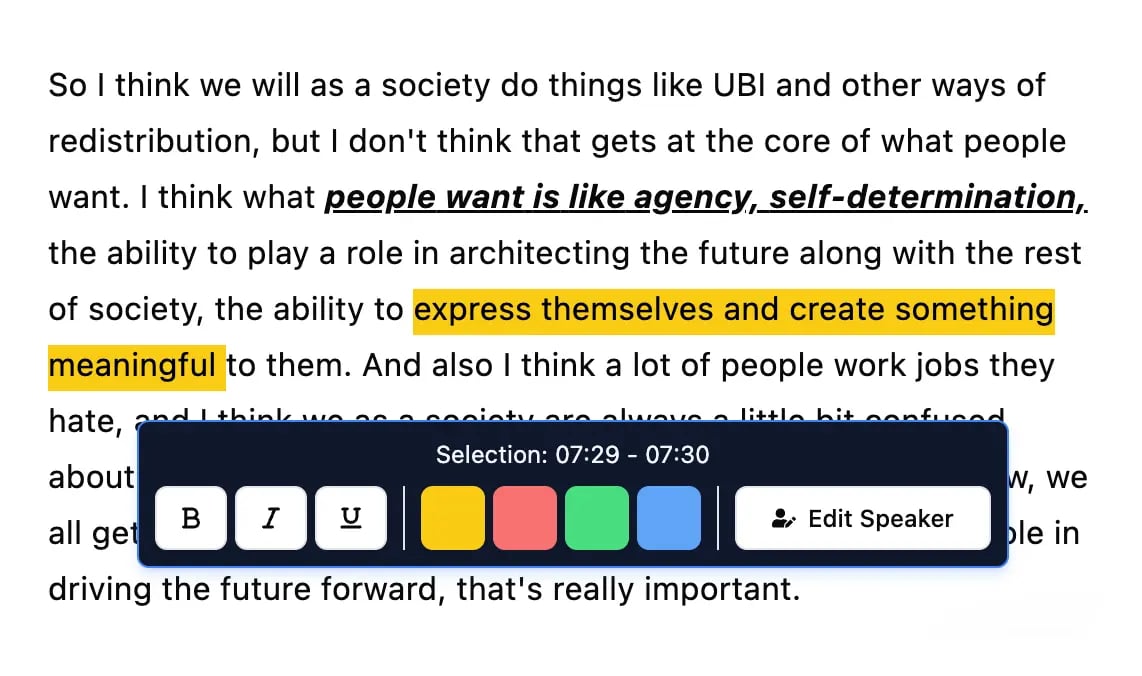
Strumenti di modifica
Modifica le trascrizioni con strumenti potenti tra cui trova e sostituisci, assegnazione dei parlanti, formati di testo arricchito ed evidenziazione.
Riassunti e Chatbot
Genera riassunti e altri approfondimenti dalla tua trascrizione, prompt personalizzati riutilizzabili e chatbot per i tuoi contenuti.
Quando Usare l'Analisi di Framework
Questo metodo è particolarmente potente nella ricerca valutativa e di policy, dove è necessario confrontare le risposte tra diversi gruppi o valutare l'efficacia di un intervento. Ad esempio, un team di ricerca sanitaria potrebbe utilizzarlo per valutare un nuovo programma di supporto ai pazienti, tracciando il feedback da varie cliniche, confrontando sistematicamente le sfide di implementazione e gli esiti dei pazienti. Allo stesso modo, un ricercatore educativo potrebbe confrontare le metodologie di insegnamento in diverse scuole.
Suggerimenti Azionabili per l'Implementazione
- Sviluppare un Framework Collaborativo: Coinvolgere più membri del team nella creazione del framework tematico. Ciò garantisce che la struttura sia robusta, completa e rifletta prospettive diverse sui dati.
- Testare Pilot del Vostro Framework: Prima di applicare il framework all'intero set di dati, testarlo su un piccolo campione. Ciò aiuta a identificare eventuali ambiguità o lacune nei vostri temi e consente il perfezionamento.
- Utilizzare Efficacemente le Matrici di Charting: La matrice è il cuore di questo metodo. Utilizzala per creare panoramiche visive chiare che riassumono i dati per ciascun caso rispetto a ciascun tema, facilitando l'analisi cross-case.
- Mantenere Definizioni Chiare: Documentare definizioni precise ed esempi per ogni codice e tema all'interno del vostro framework. Ciò garantisce coerenza, specialmente quando si indicizzano e si tracciano dati complessi.
10-Confronto Metodi: Analisi Dati Qualitativi
| Metodo | Complessità di implementazione 🔄 | Requisiti di risorse e velocità ⚡ | Risultati attesi ⭐ / Impatto 📊 | Casi d'uso ideali | Vantaggi chiave / Suggerimenti 💡 |
|---|---|---|---|---|---|
| Analisi Tematica | Bassa–Moderata 🔄🔄 | Risorse moderate; tempo medio; software di codifica utile ⚡⚡ | ⭐⭐⭐⭐ — Temi ricchi e descrittivi; intuizioni trasferibili 📊 Medio–Alto | Studi esplorativi, interviste, set di dati diversi | 💡 Flessibile e accessibile; usare codebook e controlli inter-rater |
| Grounded Theory | Alta 🔄🔄🔄 | Risorse elevate; molto dispendioso in termini di tempo; team esperto; memo essenziale ⚡ | ⭐⭐⭐⭐⭐ — Nuova teoria e modelli esplicativi; forte coerenza interna 📊 Alto (teorico) | Sviluppo di teorie, processi sociali esplicativi | 💡 Iniziare a codificare presto; scrivere memo frequenti; usare campionamento teorico |
| Analisi del Contenuto | Bassa–Moderata 🔄🔄 | Risorse basse–moderate; efficiente con corpora ampi; automatizzabile ⚡⚡⚡ | ⭐⭐⭐⭐ — Conteggi sistematici e schemi di categorie; risultati replicabili 📊 Medio–Alto | Studi sui media, corpora di testo/immagini ampi, analisi del sentiment/frequenza | 💡 Schema di codifica pre-test; calcolare l'affidabilità inter-coder |
| Analisi Fenomenologica | Alta 🔄🔄🔄 | Risorse moderate–alte; interviste approfondite; analisi lenta ⚡ | ⭐⭐⭐⭐ — Profonde intuizioni soggettive sull'esperienza vissuta; bassa generalizzabilità 📊 Basso–Medio | Studi sull'esperienza personale (salute, lutto, identità) | 💡 Enfatizzare il bracketing e la riflessività; usare citazioni verbatim |
| Analisi del Discorso | Alta 🔄🔄🔄 | Risorse moderate–alte; richiede letture teoriche; lavoro linguistico dettagliato ⚡ | ⭐⭐⭐⭐ — Rivela ideologie, relazioni di potere; risultati interpretativi 📊 Alto per intuizioni critiche | Media, comunicazione politica, studi sul potere/identità | 💡 Analizzare molteplici livelli linguistici e storia contestuale |
| Analisi Narrativa | Moderata–Alta 🔄🔄🔄 | Risorse moderate; dispendioso in termini di tempo per il lavoro strutturale; strumenti qualitativi utili ⚡⚡ | ⭐⭐⭐⭐ — Storie olistiche che mostrano identità e significato; risultati evocativi 📊 Medio | Storie di vita, recupero da traumi, formazione dell'identità | 💡 Preservare il flusso narrativo; analizzare punti di svolta e cronologia |
| Analisi Focus Group | Moderata 🔄🔄 | Risorse moderate; raccolta dati efficiente ma trascrizione complessa ⚡⚡ | ⭐⭐⭐ — Norme di gruppo, modelli di consenso e negoziazione 📊 Medio | Marketing, valutazione di programmi, atteggiamenti pubblici | 💡 Registrare le interazioni; analizzare sia il contenuto che le dinamiche di gruppo |
| Analisi Studio di Caso | Moderata–Alta 🔄🔄🔄 | Risorse elevate; molteplici fonti di dati e triangolazione; dispendioso in termini di tempo ⚡ | ⭐⭐⭐⭐ — Spiegazioni contestuali approfondite e raccomandazioni pratiche 📊 Medio–Alto (contestuale) | Cambiamento organizzativo, studi di implementazione, valutazione di programmi | 💡 Definire i confini del caso; triangolare le fonti; mantenere il protocollo del caso |
| Analisi Etnografica | Molto Alta 🔄🔄🔄🔄 | Risorse molto elevate; lavoro sul campo prolungato; impegno immersivo; lento ⚡ | ⭐⭐⭐⭐⭐ — Comprensione culturale olistica e prospettiva interna 📊 Alto (contestuale approfondito) | Antropologia, cultura sul posto di lavoro, pratiche comunitarie | 💡 Mantenere appunti di campo dettagliati; praticare la riflessività e la costruzione di rapporti |
| Analisi di Framework | Moderata 🔄🔄 | Risorse moderate; efficiente per set di dati applicati ampi; il lavoro con matrici accelera il confronto ⚡⚡⚡ | ⭐⭐⭐⭐ — Matrici trasparenti e verificabili che consentono il confronto cross-case 📊 Alto per la valutazione applicata | Valutazione di policy, servizi sanitari, ricerca sociale applicata | 💡 Coinvolgere il team nella progettazione del framework; testare su campione e documentare le regole |
Scegliere il Metodo e Semplificare il Flusso di Lavoro
Navigare nel panorama dei metodi di analisi dei dati qualitativi può sembrare opprimente, ma il viaggio dai dati grezzi a intuizioni significative è un processo strutturato e gratificante. Come abbiamo esplorato, il percorso che scegli dipende interamente dai tuoi obiettivi di ricerca. Sia che tu stia identificando schemi ricorrenti con l'Analisi Tematica, costruendo una nuova teoria da zero con la Grounded Theory, o decostruendo narrazioni sociali con l'Analisi del Discorso, il metodo giusto agisce come la tua bussola, guidandoti verso conclusioni credibili e di impatto.
La forza della ricerca qualitativa risiede nella sua profondità, nella sua capacità di catturare le sfumature dell'esperienza umana che i numeri da soli non possono. Ogni metodo, dalla lente immersiva dell'Analisi Etnografica all'approccio strutturato dell'Analisi di Framework, offre un modo unico per onorare e interpretare quelle esperienze. La chiave è allineare la tua scelta con le tue domande di ricerca centrali. Stai cercando di comprendere un'esperienza vissuta? L'Analisi Fenomenologica è il tuo strumento. Ti concentri sulla valutazione di un programma specifico rispetto a obiettivi stabiliti? L'Analisi di Framework fornisce la struttura necessaria.
Punti Chiave per un'Analisi Efficace
Per garantire che il tuo processo analitico sia rigoroso ed efficiente, considera questi principi fondamentali:
- Chiarezza dello Scopo: Prima di iniziare, definisci chiaramente la tua domanda di ricerca. Questa singola decisione illuminerà quale dei metodi di analisi dei dati qualitativi è più appropriato per il tuo progetto.
- Allineamento Metodologico: Il metodo scelto non è solo un insieme di passaggi; è una lente filosofica. Assicurati che le tue tecniche di raccolta dati e il tuo approccio analitico siano in armonia per mantenere l'integrità dei tuoi risultati.
- Abbraccia l'Iterazione: L'analisi qualitativa è raramente lineare. Sii preparato a rivisitare i tuoi dati, perfezionare i tuoi codici e sfidare le tue interpretazioni iniziali. Questo ciclo iterativo è dove spesso emergono le intuizioni più profonde.
- Sfrutta la Tecnologia: Gli strumenti giusti possono semplificare notevolmente il tuo flusso di lavoro. Dal software di gestione dei dati ai servizi di trascrizione, sfruttare la tecnologia libera le tue risorse cognitive per concentrarti sul pensiero critico e sull'interpretazione che solo tu puoi fornire.
Semplificare la Preparazione dei Dati
Un filo conduttore che collega tutti questi potenti metodi è la necessità non negoziabile di dati organizzati e di alta qualità. La tua analisi è forte solo quanto le fondamenta su cui è costruita. Per la ricerca che coinvolge registrazioni audio o video, ciò significa che una trascrizione accurata è fondamentale. Questo passaggio iniziale garantisce che ogni citazione, esitazione e interazione sia catturata fedelmente, fornendo un set di dati affidabile per la codifica e l'interpretazione. Inoltre, poiché la ricerca diventa sempre più globale, la gestione dei dati in diverse lingue presenta una sfida unica. Per semplificare la gestione dei dati qualitativi multilingue, specialmente quando si attinge da formati digitali, esplorare le capacità dei migliori convertitori EPUB e strumenti di traduzione per dati di ricerca multilingue può essere molto utile.
In definitiva, padroneggiare questi metodi di analisi dei dati qualitativi ti trasforma da un semplice raccoglitore di dati a uno storyteller. Scopri il "perché" dietro il "cosa", dando voce a complesse realtà umane e generando intuizioni che possono guidare la strategia, informare le politiche e approfondire la nostra comprensione collettiva.
Pronto a costruire una solida base per la tua analisi? Lascia che Transcript.LOL gestisca il lavoro noioso della trascrizione con precisione e velocità impareggiabili. Inizia il tuo progetto con dati puliti e affidabili e concentrati su ciò che conta davvero: scoprire le potenti storie nascoste nella tua ricerca qualitativa. Provalo gratuitamente su Transcript.LOL.