
How to Improve Team Productivity with Quick Wins
Learn how to improve team productivity with proven strategies. Discover how to fix meetings, clarify workflows, and use the right tools for real results.
Kate, Praveen
September 18, 2024
Prima di poter risolvere un problema di produttività, devi sapere cosa è effettivamente rotto. È facile vedere i sintomi: scadenze mancate, lunghe ore, compagni di squadra stressati, ma saltare a una soluzione senza comprendere la causa principale è come mettere un cerotto su un osso rotto.
I miglioramenti duraturi non derivano da soluzioni generiche. Derivano dall'approfondire, fare un po' di lavoro investigativo e trovare la vera fonte del rallentamento.
Trova le Vere Ragioni per Cui il Tuo Team È Improduttivo
Siamo onesti, l'istinto iniziale è spesso quello di lanciare un nuovo strumento contro il problema o imporre una scadenza più rigida. Ma queste soluzioni rapide raramente funzionano a lungo. I veri guadagni di produttività derivano dalla conduzione di una sorta di "audit di produttività" per scoprire i problemi sistemici che frenano tutti.
Stai cercando i modelli nascosti. C'è una fase specifica in ogni progetto che si blocca? Una persona sembra sempre essere il collo di bottiglia? Le tue riunioni lasciano le persone più confuse che allineate? Questi sono i segnali che portano al vero problema.
Raccogliere Feedback Onesto
Le migliori informazioni che otterrai provengono direttamente dal tuo team. Il problema? Le persone non saranno sempre sincere in un contesto di gruppo, specialmente se temono di puntare il dito o di sembrare negative. Devi creare uno spazio in cui si sentano abbastanza sicure da essere sincere.
Ecco come ottenere la vera storia:
- Sondaggi Confidenziali: Strumenti come Google Forms sono perfetti per questo. L'anonimato è fondamentale. Poni domande mirate sulle loro frustrazioni quotidiane, su quali strumenti aiutano rispetto a quali ostacolano e dove la comunicazione si interrompe.
- Conversazioni Individuali: Abbandona l'atmosfera delle revisioni formali e fai semplicemente una chiacchierata. Le mie domande preferite sono: "Se potessi agitare una bacchetta magica e cambiare una cosa della tua giornata lavorativa, quale sarebbe?" o "Dove senti di girare a vuoto?"
L'obiettivo qui non è solo sfogarsi; è raccogliere dati qualitativi che rivelino l'esperienza umana dietro gli ostacoli. Puoi saperne di più su come strutturare queste conversazioni esplorando tecniche per analizzare dati di ricerca qualitativa. È così che trasformi semplici conversazioni in intuizioni concrete e attuabili.
Features That Enhance Your Productivity Audit
IA all'avanguardia
Alimentato da Whisper di OpenAI per una precisione leader nel settore. Supporto per vocabolari personalizzati, file fino a 10 ore e risultati ultra rapidi.

Importa da più fonti
Importa file audio e video da varie fonti tra cui caricamento diretto, Google Drive, Dropbox, URL, Zoom e altro.
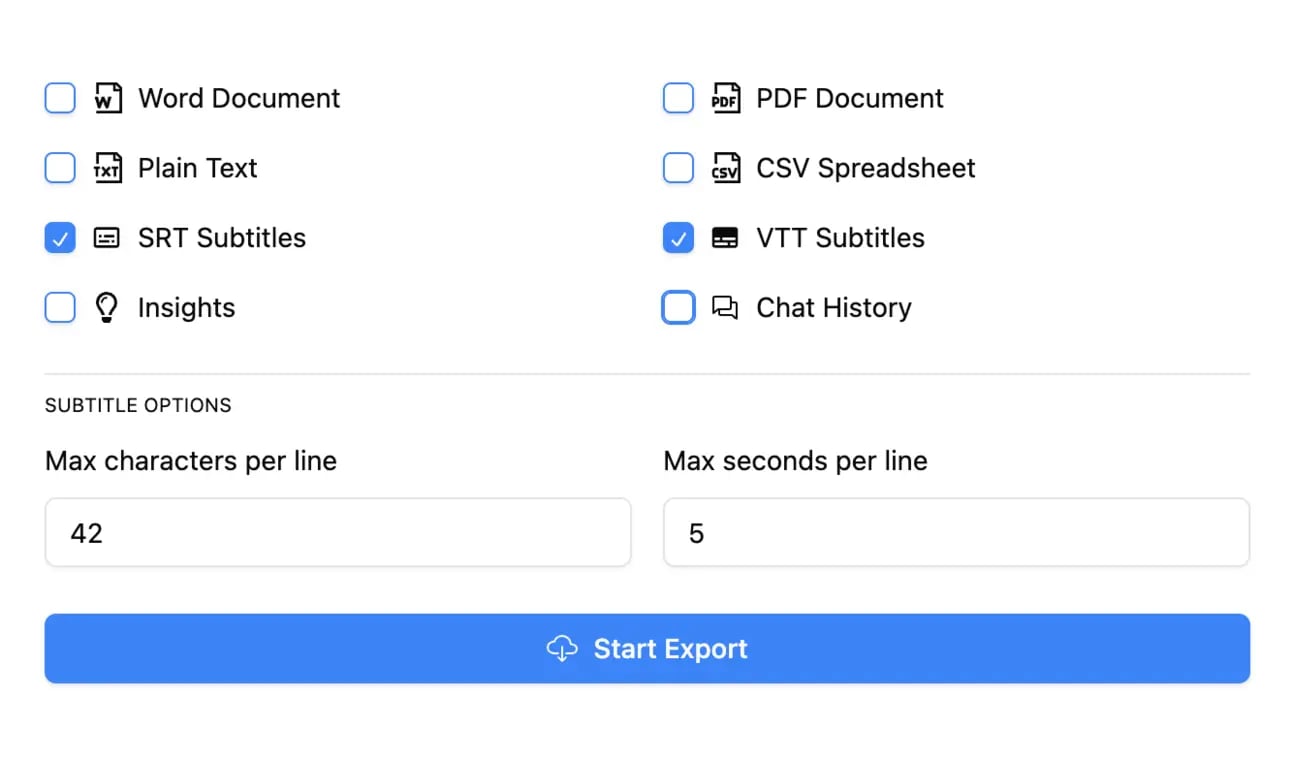
Esporta in più formati
Esporta le tue trascrizioni in più formati tra cui TXT, DOCX, PDF, SRT e VTT con opzioni di formattazione personalizzabili.
Analyzing Project and Engagement Data
While stories give you the why, data gives you the proof. Dig into your project management software, look at your Slack channel history, and review employee engagement metrics. You're looking for trends that back up what you're hearing. Consistently missed deadlines, constant scope creep, or a flood of after-hours messages are all flashing red lights.
A critical factor that's often overlooked is employee engagement. A disengaged team member isn't just unhappy—they're actively less productive. You can have the most brilliant workflow in the world, but an unmotivated team will bring it to a standstill.
Why Engagement Metrics Matter More Than You Think
Employee engagement isn’t just a “nice-to-have”—it directly affects productivity, retention, and decision-making. When engagement drops, team alignment weakens and collaboration slows down. Tracking these signals early helps you correct course before performance dips.
Il legame tra coinvolgimento e produttività è impossibile da ignorare. La ricerca Gallup ha rilevato che uno sbalorditivo 21% dei dipendenti a livello globale si sente coinvolto sul lavoro. È un divario enorme che costa all'economia miliardi. Al contrario, i team altamente coinvolti registrano un 41% in meno di assenteismo e sono molto più produttivi. Puoi trovare ulteriori spunti su come il coinvolgimento influisce sui risultati aziendali su archieapp.co.
Quando combini un feedback schietto con dati concreti, emerge il quadro completo. Smetti di indovinare cosa c'è che non va e inizi a sapere dove concentrarti. Questo passaggio diagnostico è la pietra angolare assoluta per migliorare la produttività del team. Senza di esso, stai solo trattando i sintomi e qualsiasi guadagno che otterrai sarà di breve durata.
Correggi la Tua Cultura delle Riunioni e Recupera Tempo
Una volta diagnosticate le maggiori problematiche di produttività, è il momento di esaminare il colpevole più comune che si nasconde in bella vista: il calendario aziendale. Le riunioni hanno una cattiva reputazione per un motivo. Un recente sondaggio ha rilevato che i dipendenti sono bloccati in riunioni per una media di 18 ore a settimana, e sentono che metà di quel tempo è completamente sprecato.
Queste continue interruzioni spezzano la nostra concentrazione, creano quel terribile effetto frusta del cambio di contesto e, in qualche modo, ci lasciano con più domande di quante ne avessimo all'inizio.
La risposta non è semplicemente cancellare ogni riunione. Si tratta di ripensare completamente perché ci riuniamo e come lo facciamo. Il cambiamento più importante che puoi apportare è eliminare la riunione di "aggiornamento di stato". Seriamente. Quel raduno può quasi sempre essere sostituito da una breve email, un rapido aggiornamento nel tuo strumento di gestione dei progetti o un messaggio video asincrono.
Tutto questo processo di individuazione e correzione dei drenaggi di produttività non è complicato. Si tratta di ascoltare il tuo team, trovare i veri problemi e quindi applicare una soluzione mirata.
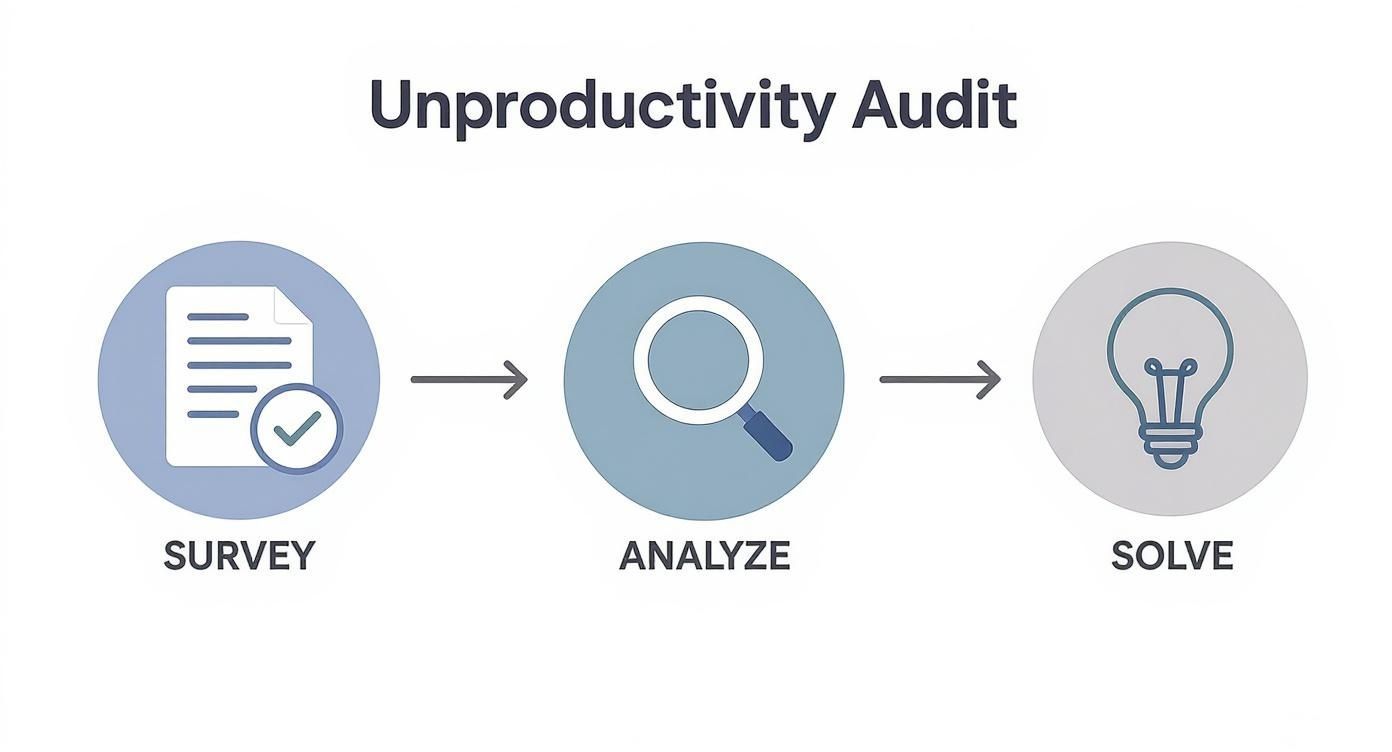
Come mostra il diagramma, una volta raccolto il feedback e analizzato ciò che dice il tuo team, puoi concentrarti su punti dolenti specifici, come una cultura delle riunioni fallata, e risolverli direttamente.
Recupera la Concentrazione con Formati di Riunione Più Intelligenti
Smetti di scegliere di default una chiamata di 30 minuti per tutto. Invece, prova nuovi formati che rispettino realmente il tempo di tutti.
Uno dei miei preferiti è la riunione "solo decisioni". È brutalmente efficace. Tutto il contesto, i dati e la pre-lettura vengono inviati almeno 24 ore prima. La riunione stessa è solo per il dibattito e la decisione finale. Nessun riepilogo, nessuna divagazione. Solo una decisione.
Un altro punto di svolta è bloccare il tempo "senza riunioni". Che si tratti di un'intera giornata alla settimana o di un pomeriggio dedicato, dare al tuo team un blocco solido di tempo ininterrotto per il lavoro profondo è un investimento enorme in qualità. È allora che avviene la vera risoluzione dei problemi e il pensiero creativo.
I team più produttivi non sono quelli che si riuniscono di più; sono quelli che fanno contare le loro riunioni. Ogni persona invitata dovrebbe avere un motivo chiaro per essere lì, e ogni riunione dovrebbe avere un unico obiettivo chiaro. Se non riesci a dichiararlo in una frase, probabilmente non hai bisogno della riunione.
Affinché ciò funzioni davvero, la leadership deve dare l'esempio. Inizia a rifiutare le riunioni che non hanno un ordine del giorno chiaro. Questo invia un messaggio potente in tutta l'azienda e dà al tuo team il permesso di fare lo stesso, spingendo tutti a essere più intenzionali con il proprio tempo.
Lascia che la Tecnologia Faccia il Lavoro Pesante
Pensa a cosa succede durante la maggior parte delle chiamate. Metà del team sta freneticamente cercando di prendere appunti, il che significa che non stanno realmente ascoltando o contribuendo. È una grande distrazione e un enorme drenaggio di concentrazione.
È qui che introduci gli strumenti giusti.
Qualcosa come Transcript.LOL può essere un vero punto di svolta. Si unisce alle tue riunioni virtuali per registrare, trascrivere e riassumere automaticamente tutto. L'impatto è immediato:
- Tutti sono presenti. Il tuo team può effettivamente partecipare alla discussione, fare brainstorming di idee e ascoltare senza preoccuparsi di chi sta prendendo appunti.
- Decisioni e azioni vengono catturate. L'IA estrae decisioni chiave e elementi d'azione direttamente dalla conversazione e può persino assegnare i responsabili. Nulla cade nel dimenticatoio.
- Costruisci una base di conoscenza ricercabile. Ogni conversazione importante è ora un asset. Un nuovo assunto può guardare il kickoff del progetto di tre mesi fa, o puoi trovare una decisione specifica senza dover disturbare nessuno.
Questo non solo fa risparmiare tempo; rende i risultati delle tue riunioni infinitamente migliori. Se vuoi approfondire l'ottimizzazione dei tuoi appunti di riunione, consulta la nostra guida sulle migliori pratiche per prendere appunti alle riunioni.
Features That Upgrade Every Meeting

Rilevamento dei parlanti
Identifica automaticamente diversi parlanti nelle tue registrazioni e etichettali con i loro nomi.
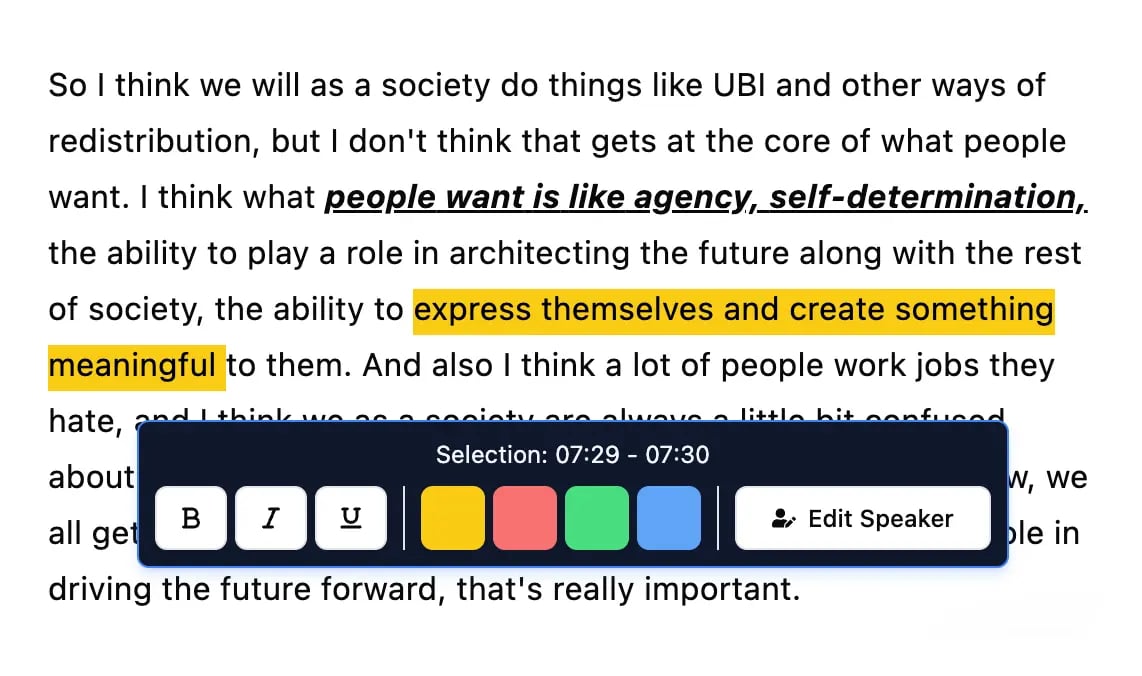
Strumenti di modifica
Modifica le trascrizioni con strumenti potenti tra cui trova e sostituisci, assegnazione dei parlanti, formati di testo arricchito ed evidenziazione.
Riassunti e Chatbot
Genera riassunti e altri approfondimenti dalla tua trascrizione, prompt personalizzati riutilizzabili e chatbot per i tuoi contenuti.
Integrazioni
Collegati con i tuoi strumenti e piattaforme preferiti per ottimizzare il tuo flusso di lavoro di trascrizione.
Quando combini un cambiamento culturale verso riunioni intenzionali con l'automazione intelligente, restituisci al tuo team la sua risorsa più preziosa: il tempo. Questa attenzione recuperata porta direttamente a un lavoro migliore, idee più grandi e un team meno stressato e più coinvolto.
Chiarire i Ruoli e Progettare Flussi di Lavoro più Intelligenti
Niente uccide la produttività più velocemente della confusione. Quando le persone non sono sicure di chi sia responsabile di cosa o quale sia il passo successivo, tutto si ferma. Si ottengono progetti bloccati, una catena infinita di email di chiarimento e colli di bottiglia che spuntano dal nulla.
Risolvere questo problema non riguarda il micromanagement. Si tratta di potenziare il tuo team. Un flusso di lavoro chiaro è come un sentiero ben illuminato: tutti possono avanzare con fiducia invece di fermarsi continuamente per chiedere indicazioni. È così che trasformi un gruppo di individui di talento in un'unità coesa e ad alte prestazioni.
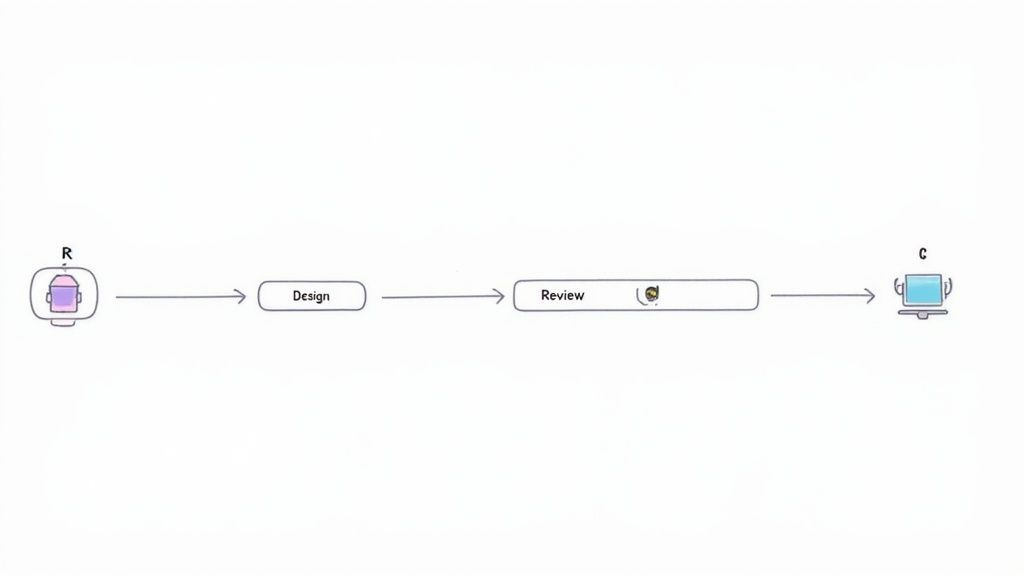
Eliminare i Dibattiti sulla Proprietà con una Matrice RACI
Ho scoperto che uno degli strumenti più efficaci per questo è un diagramma RACI, noto anche come Matrice di Assegnazione delle Responsabilità. Questo semplice framework elimina completamente il classico problema "pensavo che lo stessi facendo tu".
Funziona assegnando uno dei quattro ruoli a ciascuna persona per ogni attività principale. I ruoli sono semplici:
- Responsabile (Responsible): La persona che svolge effettivamente il lavoro.
- Accountable (Responsabile ultimo): L'unica persona che è in ultima analisi responsabile del compito e del suo risultato. Questo è il decisore finale.
- Consultato (Consulted): Esperti che forniscono input prima che il lavoro venga svolto. È una conversazione a due vie.
- Informato (Informed): Persone che devono semplicemente essere tenute al corrente. È una comunicazione a senso unico.
Ecco una rapida occhiata a come potresti utilizzare una matrice RACI per un semplice progetto di content marketing.
Esempio di Matrice RACI per un Progetto di Creazione di Contenuti
| Attività / Deliverable | Content Strategist | Scrittore | Designer | Marketing Manager |
|---|---|---|---|---|
| Schema del Post del Blog | A | R | I | C |
| Scrittura della Bozza | C | A/R | I | I |
| Progettazione Grafica | C | I | A/R | C |
| Revisione Finale/Approvazione | I | C | C | A |
| Pubblicazione e Promozione | I | I | I | A/R |
Legenda: R = Responsabile, A = Responsabile ultimo, C = Consultato, I = Informato
Come puoi vedere, la creazione di un diagramma RACI ti costringe ad avere quelle conversazioni critiche in anticipo. Rimuove l'ambiguità e rende i passaggi di consegne tra i membri del team completamente fluidi. Per approfondire questo aspetto, consulta queste strategie efficaci di collaborazione di progetto.
Definendo chiaramente chi è Responsabile, Responsabile ultimo, Consultato e Informato per ogni attività principale, crei un sistema di autogestione. I membri del team non hanno più bisogno di indovinare o aspettare l'approvazione; possono vedere il flusso di lavoro e il loro ruolo in esso, il che riduce drasticamente i ritardi.
Mappare e Ottimizzare i Tuoi Processi Principali
Una volta chiariti i ruoli, è il momento di esaminare i flussi di lavoro stessi. Come arriva effettivamente il lavoro dal punto A al punto B nel tuo team?
Prendi una lavagna o apri uno strumento digitale e mappa un processo comune, come la pubblicazione di un post del blog. Percorri ogni singolo passaggio, dall'idea iniziale al clic finale su "pubblica".
Mentre lo mappi, poni queste domande ad ogni fase:
- Questo passaggio è davvero necessario? Saresti sorpreso di quanti compiti esistono solo "perché l'abbiamo sempre fatto in questo modo".
- Possiamo automatizzarlo? Compiti ripetitivi e manuali sono candidati perfetti per l'automazione, liberando il tuo team per un lavoro più importante.
- Dove sono i ritardi? Individua dove le cose si bloccano costantemente. È in attesa di un'approvazione? Mancano informazioni?
Questo esercizio ti mostrerà rapidamente l'attrito nel tuo sistema. Forse il designer sta sempre aspettando il testo finale, o un rapporto rimane fermo per una settimana in attesa della firma di un manager.
Una volta visti i colli di bottiglia, puoi ridisegnare il flusso di lavoro per eliminarli. Forse cambi l'ordine delle operazioni, imposti promemoria automatici o dai ai membri del team maggiore autorità per approvare il proprio lavoro. L'obiettivo è un flusso fluido ed efficiente in cui il lavoro si muove in modo prevedibile, aumentando non solo la velocità ma anche la qualità e il morale del team.
Automatizzare i Compiti e Costruire una Knowledge Base del Team
Parliamo di due dei più grandi e silenziosi killer della produttività: compiti ripetitivi che schiacciano l'anima e la caccia infinita alle informazioni. Ci siamo passati tutti. È quella sensazione di affondamento che provi quando ti rendi conto che stai per passare un'ora a copiare e incollare dati o a cercare di rintracciare una decisione presa in una riunione di due settimane fa.
Non è solo una sensazione, peraltro. Un rapporto di McKinsey ha rilevato che le persone trascorrono quasi il 20% della loro settimana lavorativa solo a cercare informazioni interne o a trovare colleghi che possano aiutare. È un giorno intero, ogni singola settimana, perso.
È esattamente qui che puoi ottenere delle grandi vittorie. Automatizzando il lavoro di routine e creando un luogo centrale per la conoscenza del tuo team, restituisci a tutti il loro tempo e, cosa altrettanto importante, la loro energia mentale.
Individuare ed Eliminare il Lavoro Ripetitivo
Ogni team ha quei compiti. Quelli che nessuno vuole fare ma che devono essere fatti. Generare manualmente un rapporto settimanale, inviare la stessa email di follow-up per la decima volta o spostare dati da un'app all'altra. Ognuno sembra piccolo, ma insieme creano un enorme trascinamento.
Il primo passo è semplice: chiedi semplicemente al tuo team. Una domanda come: "Qual è la cosa più noiosa e ripetitiva che devi fare ogni settimana?" probabilmente aprirà le cateratte. Una volta che hai quell'elenco, puoi iniziare a cercare modi semplici per automatizzare senza bisogno di un team di ingegneri. Se cerchi ispirazione, dare un'occhiata ad alcuni esempi di automazione dei processi aziendali può mostrarti cosa è possibile.
Alcuni strumenti possono farti iniziare subito:
- Zapier o Make: Queste piattaforme sono brillanti per collegare le app che il tuo team già utilizza. Ad esempio, puoi impostarle in modo che una nuova sottomissione di modulo crei automaticamente un'attività nel tuo strumento di gestione dei progetti. Niente più passaggi manuali.
- Regole e Modelli Email: Pochi minuti trascorsi a impostare filtri nella tua casella di posta o a creare modelli per risposte comuni possono farti risparmiare innumerevoli ore nel corso di un anno.
- Rapporti Pianificati: La maggior parte dei software moderni consente di pianificare la generazione automatica di rapporti e l'invio via email. Imposta e dimentica.
Automatizzare i compiti di basso valore non significa sostituire le persone. Significa liberarle per il pensiero strategico di alto valore per cui le hai assunte. È un investimento nella loro creatività.
Questo cambiamento porta il tuo team a concentrarsi sul miglioramento del proprio lavoro, non solo sul mantenimento delle faccende amministrative.
Trasforma le Conversazioni in una Libreria Ricercabile
L'altra metà del puzzle è affrontare tutta quella conoscenza che sembra semplicemente... scomparire. Pensaci. Decisioni cruciali di progetto, brillanti idee di brainstorming e feedback importanti dei clienti vengono condivisi nelle riunioni, e poi cosa? O vive nella testa di una persona o si perde in un mare di documenti casuali.
Questo costringe le persone a fare le stesse domande più e più volte, il che è un enorme spreco di tempo per tutti. Una vera knowledge base non è solo un drive condiviso pieno di file; è una libreria vivente dell'intelligenza collettiva del tuo team. Rende l'onboarding di nuovi assunti un gioco da ragazzi e garantisce che le grandi idee rimangano, anche se le persone che le hanno avute se ne vanno. Questa guida alla creazione di una knowledge base completa è un'ottima risorsa per impostarla.
Ed è qui che uno strumento in grado di catturare e organizzare quelle conversazioni diventa un punto di svolta.

Con una piattaforma come Transcript.LOL, smetti di perdere tutte quelle preziose informazioni. Ogni riunione diventa un asset permanente e ricercabile.
Immagina che inizi un nuovo project manager. Invece di disturbare tre persone diverse per il contesto, può semplicemente cercare la riunione "kickoff marketing Q3". Istantaneamente, ha la trascrizione completa, un riassunto pulito generato dall'IA e un elenco di tutte le decisioni e le azioni intraprese. È aggiornato in pochi minuti, non in giorni.
Automatizzando il modo in cui catturi e riassumi le discussioni chiave, fai più che semplicemente risparmiare tempo sulla presa di appunti. Stai costruendo una knowledge base intelligente e auto-organizzata che diventa più intelligente ad ogni conversazione. È un sistema che protegge le migliori idee del tuo team e garantisce che siano sempre a portata di ricerca.
Misurare Ciò che Conta e Dare Feedback Migliore
C'è un vecchio detto negli affari: non puoi migliorare ciò che non misuri. Ma aggiungerei una svolta a questo: misurare le cose sbagliate è anche peggio che non misurare affatto.
Quando ti ossessioni su metriche di vanità come le ore registrate o le email inviate, stai solo incoraggiando il "lavoro di facciata". Finisci per premiare l'attività, non il progresso effettivo. Per spostare davvero l'ago sulla produttività del team, l'intera attenzione deve passare dalla pura produzione ai risultati tangibili.
Si tratta di porre una domanda completamente diversa. Invece di "Quante ore abbiamo lavorato su questo?", dovremmo chiedere: "Quali risultati abbiamo effettivamente ottenuto?" Questo semplice cambiamento di mentalità è potente. Collega il tran tran quotidiano al quadro generale, dando al lavoro di tutti un chiaro senso di scopo.
Concentrarsi sui Risultati con gli OKR
Un ottimo framework per apportare questo cambiamento è utilizzare gli Obiettivi e Risultati Chiave (OKR). Gli OKR ti costringono a definire obiettivi ambiziosi (i tuoi Obiettivi) e poi a individuare i risultati misurabili che dimostrano che li hai raggiunti (i tuoi Risultati Chiave).
- Obiettivo: Pensa a questa come alla grande missione ispiratrice. Dovrebbe essere qualitativa e accendere l'entusiasmo del team. Ad esempio, "Lanciare l'aggiornamento di prodotto di maggior successo nella storia dell'azienda".
- Risultati Chiave: Questi sono i numeri concreti che ti dicono se hai avuto successo. Devono essere specifici, misurabili e legati a una scadenza. Ad esempio, "Raggiungere 5.000 nuove iscrizioni entro 30 giorni dal lancio" o "Ridurre i ticket di assistenza clienti relativi alla nuova funzionalità del 40%".
Quando imposti OKR chiari, crei una definizione condivisa di cosa significa vincere. Tutti nel team sanno esattamente a cosa mirano e possono vedere come i loro contributi individuali si inseriscono nel quadro generale. È quell'allineamento che incanala l'energia di un team nel lavoro che conta davvero.
Questo non potrebbe essere più rilevante oggi. Secondo il rapporto State of the Workplace di AktivTrak, il 53% dei dipendenti lavora da remoto per più di metà dell'anno. E ecco la parte interessante: questi lavoratori remoti sono incredibilmente produttivi, guadagnando 29 minuti in più di tempo produttivo al giorno, anche con una giornata lavorativa media più breve. Dimostra che quando dai alle persone autonomia e obiettivi chiari, semplicemente fanno le cose in modo più efficiente. Puoi approfondire statistiche sulla forza lavoro moderna su cake.com.
Creare una Cultura di Feedback Continuo
Gli obiettivi sono solo un lato della medaglia. L'altro è il feedback. Il tuo team ha bisogno di input costanti e costruttivi per rimanere in carreggiata e continuare a crescere. La temuta revisione annuale delle prestazioni è troppo lenta per essere utile ormai. L'obiettivo dovrebbe essere quello di costruire una cultura in cui il feedback sia semplicemente una parte normale e continua del modo in cui lavori.
E il feedback efficace non riguarda l'individuare cosa è andato storto. Si tratta di fornire consigli specifici e attuabili che aiutino le persone a migliorare. Dimentica commenti vaghi come "buon lavoro" o "questo ha bisogno di più lavoro". Sii specifico sul comportamento e sul suo impatto. Ad esempio, "Il modo in cui hai strutturato quella presentazione al cliente ha reso i dati davvero facili da seguire, e penso che sia questo che ci ha fatto ottenere il loro consenso."
Il feedback è un regalo. Quando lo fornisci con cura e specificità, è uno degli strumenti più potenti che hai per sviluppare le competenze e la motivazione del tuo team. Stai costruendo fiducia e competenza, non solo criticando.
È qui che gli strumenti che catturano le discussioni del team diventano un'arma segreta. Ad esempio, potresti rivedere un riassunto di riunione in Transcript.LOL e individuare un momento in cui un progetto ha iniziato a deviare dal percorso o in cui la comunicazione si è interrotta. Queste sono perfette opportunità di coaching. La nostra guida su come utilizzare gli insight dalle tue trascrizioni può mostrarti esattamente come trovare questi preziosi schemi nelle conversazioni del tuo team.
In definitiva, misurare ciò che conta e fornire un feedback costante e di alta qualità crea un potente ciclo di miglioramento continuo. Costruisci un ambiente trasparente in cui il successo è chiaramente definito, il progresso è visibile e tutti si sentono supportati nel raggiungere i propri obiettivi. Quel ciclo è il vero motore della produttività sostenuta del team.
Alcune Domande che Sentiamo Sempre
Quindi, hai esaminato le strategie: dall'approfondire i tuoi flussi di lavoro attuali alla creazione di una knowledge base che funzioni davvero. Ma mettere in pratica queste idee è dove la gomma incontra la strada.
Esaminiamo alcune delle domande più comuni che sorgono quando i leader iniziano a apportare questi cambiamenti.
Qual è il Modo Più Veloce per Vedere un Miglioramento Reale?
Senza dubbio, la vittoria più rapida è correggere la cultura delle riunioni. Niente prosciuga energia e frammenta la giornata lavorativa come una serie di riunioni inutili. Una riunione di un'ora con otto persone non è solo un'ora: è un'intera giornata lavorativa di otto ore inghiottita intera.
Inizia insistendo su agende chiare, sii spietato su chi deve davvero esserci e mantieni la fermezza sugli orari di fine. Già questo fa un'enorme differenza.
Se vuoi potenziare ulteriormente questo aspetto, introduci l'automazione. Utilizzare uno strumento come Transcript.LOL per gestire automaticamente note e azioni ti restituisce ore ogni singola settimana. Crea uno slancio immediato e positivo su cui puoi costruire.
Come Posso Misurare la Produttività per il Lavoro Creativo o di Conoscenza?
Questa è una questione importante. Per ruoli come designer, scrittori o strateghi, contare i "compiti completati" è inutile. Devi passare dalla misurazione dell'output alla misurazione degli outcome.
Il modo migliore per farlo è collegare il loro lavoro direttamente al valore aziendale, spesso con un framework come gli OKR (Obiettivi e Risultati Chiave).
- Obiettivo: "Lanciare una campagna che generi il 20% in più di lead qualificati."
- Risultato Chiave: Stai monitorando i progressi verso quell'obiettivo, non quante bozze sono state create.
Non dimenticare di considerare anche il feedback qualitativo. Quanto è stata innovativa la soluzione? Quanto bene hanno risolto il problema principale? Questi sono i veri indicatori di produttività nel lavoro di conoscenza.
Tutti Questi "Strumenti di Produttività" Possono Davvero Peggiorare le Cose?
Oh, assolutamente. E spesso lo fanno quando vengono semplicemente scaricati su un team senza uno scopo chiaro. Accumulare troppe app scollegate crea "proliferazione di strumenti", costringendo tutti a dedicare più tempo a destreggiarsi tra software piuttosto che a lavorare effettivamente.
Beware of Tool Sprawl
Using too many disconnected tools leads to scattered data, inefficiencies, and confusion. Teams lose clarity as workflows become fragmented. A unified, integrated stack helps eliminate chaos and restore focus.
The secret is to choose integrated tools that solve a specific, painful problem your team already has. A tool that automates meeting summaries and pipes them directly into your project manager? That removes work, it doesn't add it.
Always, always pilot a new tool with a small group first. Prove that it saves time and makes work easier before you roll it out to the entire company.
How Do I Get My Team on Board With These Changes?
Top-down mandates almost never work. Real buy-in comes from involving your team and showing them what's in it for them. People naturally push back against change, but they’ll jump at a chance to fix their own frustrations.
A Better Way to Roll Out Team Changes
Instead of forcing tools from leadership down, involve your team early in the decision-making process. Gather feedback, run small pilots, and let your employees shape the workflow. Adoption increases when teams feel included.
Start by asking them what their biggest roadblocks are. Make them part of the diagnosis.
Then, when you introduce a new process or tool, frame it as the solution they asked for—something that will make their days less stressful and more focused. Running that small pilot and letting the early adopters share their positive experiences is the best way to build momentum. You're showing, not just telling.
Ready to stop wasting time in meetings and start building a real asset from your team’s conversations? Transcript.LOL automates your meeting notes, summaries, and action items so you can get back to doing what you do best. Start for free at Transcript.LOL and feel the difference right away.