
Cómo resumir una reunión y capturar cada detalle clave
Aprende a resumir una reunión con estrategias probadas. Ve más allá de las notas básicas con consejos del mundo real, plantillas y herramientas de IA que garantizan una claridad perfecta.
Kate
January 22, 2025
Un buen resumen de reunión no es solo una transcripción. Es una recopilación de los momentos más importantes, centrándose en los momentos que cambian el juego: decisiones clave, quién es responsable de qué a continuación y los plazos que importan. El objetivo es crear un registro claro y escaneable que mantenga a todos informados, ya sea que estuvieran en la sala o no.
Por qué dominar los resúmenes de reuniones es un superpoder profesional
Todos hemos estado allí. Sales de una reunión sintiendo que acabas de correr una maratón sin línea de meta. La conversación divagó, las grandes decisiones se sintieron confusas y una semana después, nadie puede recordar quién acordó hacer qué. Esto no es solo frustrante; es un gran desperdicio de tiempo, dinero y impulso de la empresa.
La capacidad de resumir una reunión de manera efectiva corta ese caos.
¿Por qué esta habilidad te diferencia?
Resumir reuniones no es trabajo administrativo, es comunicación estratégica. Muestra claridad de pensamiento, responsabilidad y presencia de liderazgo. Los profesionales que dominan esta habilidad reducen la confusión, ahorran tiempo y mantienen a los equipos alineados sin reuniones adicionales.
Esto no se trata solo de tomar notas. Es una habilidad de liderazgo genuina. Demuestra que puedes escuchar activamente, separar la señal del ruido y hacer que las personas rindan cuentas. Cuando creas ese registro claro, te conviertes en la persona que garantiza la alineación y evita que los proyectos se estanquen. Honestamente, es una parte central de la capacitación en habilidades de comunicación ejecutiva en la que vemos que los líderes invierten: convertir la conversación en acción.
El problema solo ha empeorado con el trabajo remoto e híbrido. Esta infografía muestra cuán grave es.
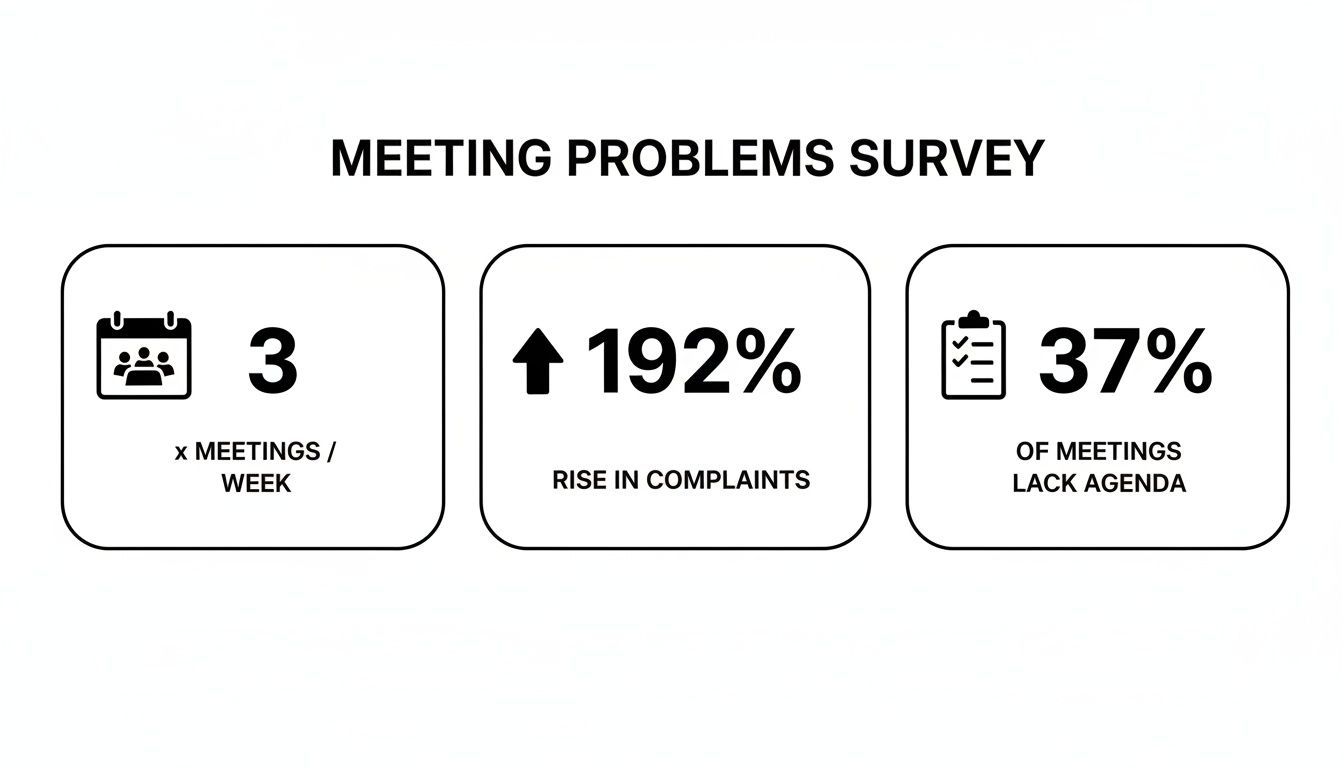
Como puedes ver, tenemos más reuniones que nunca, pero nuestros hábitos no se han adaptado, lo que genera una gran cantidad de tiempo perdido.
El Alto Costo de las Reuniones Improductivas
Un vistazo rápido a los datos resalta por qué los resúmenes de reuniones efectivos son cruciales para la eficiencia empresarial.
| Estadística | Impacto en tu trabajo |
|---|---|
| La asistencia a reuniones virtuales ha aumentado ~192% desde principios de 2020. | Se pasa más tiempo en llamadas, menos tiempo para trabajo profundo. |
| Solo el 37% de las reuniones utilizan una agenda formal. | Las conversaciones divagan sin objetivos o estructura claros. |
| Un porcentaje similar resulta en una decisión concreta. | Los proyectos se estancan y los mismos temas se repiten la semana siguiente. |
Estos datos muestran una desconexión masiva. Nos reunimos más pero decidimos menos.
Cuando te conviertes en la persona que aclara de manera confiable los resultados y define los próximos pasos, te vuelves indispensable. No solo estás escribiendo notas; estás construyendo la base para el éxito de tu equipo y demostrando tu valor como alguien que hace que las cosas sucedan.
Preparando el Terreno para un Resumen Perfecto Antes de que Comience la Reunión
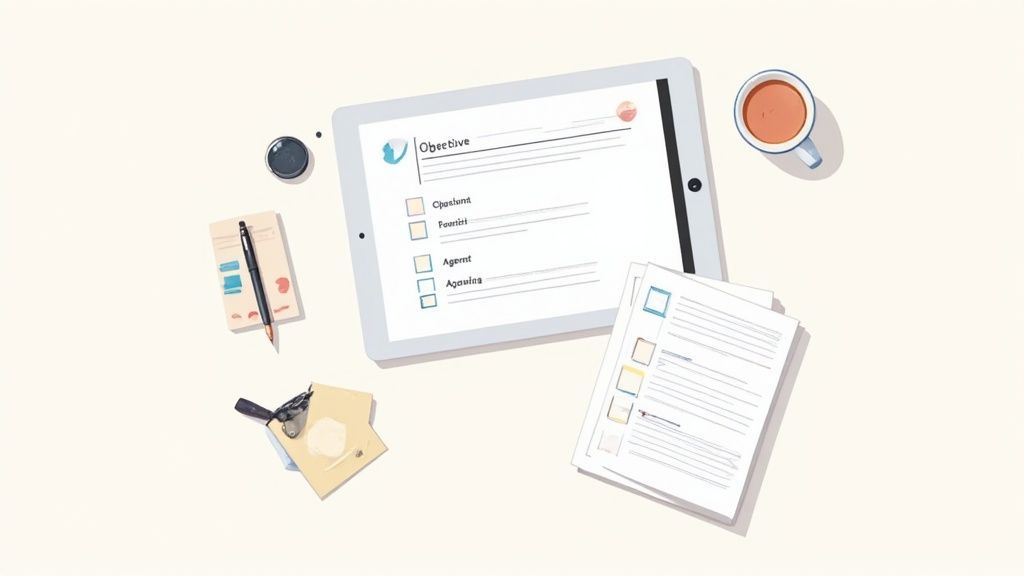
Un gran resumen de reunión no comienza cuando termina la llamada; comienza con un trabajo de preparación intencional. He aprendido que el secreto de un resumen eficiente es saber qué estás escuchando antes de que comience la reunión. Tu objetivo es construir un marco que te ayude a capturar solo lo esencial, ahorrándote la tarea de clasificar páginas de notas irrelevantes más tarde.
Herramientas que te ayudan a prepararte de forma más inteligente
IA de última generación
Impulsado por Whisper de OpenAI para una precisión líder en la industria. Soporte para vocabularios personalizados, archivos de hasta 10 horas y resultados ultra rápidos.

Importar desde múltiples fuentes
Importa archivos de audio y video desde diversas fuentes, incluyendo carga directa, Google Drive, Dropbox, URLs, Zoom y más.
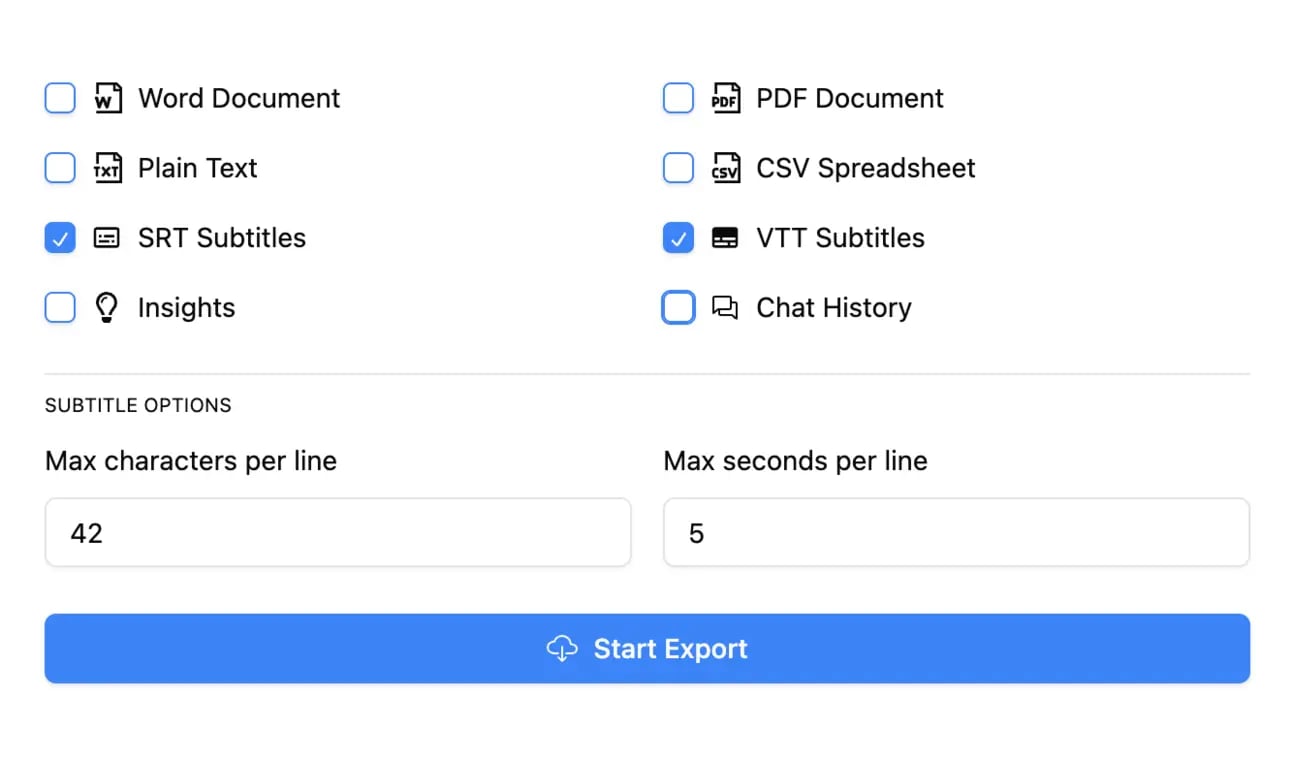
Exportar en múltiples formatos
Exporta tus transcripciones en múltiples formatos incluyendo TXT, DOCX, PDF, SRT y VTT con opciones de formato personalizables.
Primero y principal: identifica el único objetivo clave de la reunión. ¿El propósito principal es aprobar un presupuesto, decidir una estrategia de marketing o superar un obstáculo en un proyecto? Este único objetivo actúa como tu filtro. Cada punto de discusión que captures debe relacionarse directamente con él.
A continuación, necesitas diseccionar realmente la agenda. No te limites a leerla por encima; úsala para anticipar los momentos más importantes de la conversación.
- Identifica los puntos de decisión: Busca los puntos de la agenda que requieran explícitamente una elección o una aprobación formal. Estos son tus puntos de captura innegociables.
- Marca los posibles obstáculos: Haz una nota mental de los temas en los que esperas desacuerdo o un debate prolongado. Ahí es donde ocurren las discusiones más críticas, y a menudo más acaloradas.
- Enumera los actores clave: Conoce la opinión de quién es fundamental para cada punto de la agenda. Esto te ayuda a centrarte en lo que dicen cuando intervienen.
Este enfoque proactivo cambia completamente el juego. Te transforma de un tomador de notas pasivo a un oyente estratégico que ya está un paso por delante.
¿Qué ofrece un gran resumen de reunión?
Claridad sobre el caos
Un resumen sólido elimina la ambigüedad al destilar largas discusiones en resultados claros. Los miembros del equipo entienden instantáneamente lo que se decidió y por qué es importante. No más repetir los mismos puntos en la próxima reunión.
Responsabilidad que perdura
Los elementos de acción se vinculan a personas reales, no a equipos vagos. Esto crea responsabilidad y reduce la confusión en el seguimiento. Todos saben exactamente de qué son responsables.
Ejecución más rápida
Cuando los próximos pasos se documentan claramente, el trabajo comienza de inmediato. Los equipos pierden menos tiempo pidiendo aclaraciones. El impulso continúa en lugar de estancarse.
Una única fuente de verdad
Los resúmenes de reuniones actúan como un punto de referencia para futuras decisiones. Ayudan a incorporar rápidamente a nuevos interesados. Sin depender de la memoria o de hilos de chat fragmentados.
Elige Tu Sistema de Toma de Notas
Tus herramientas importan. El sistema adecuado depende realmente de la complejidad de la reunión y de tu estilo personal. Para una lluvia de ideas a un ritmo rápido, una pizarra digital podría funcionar mejor. Pero para un control semanal estructurado, una plantilla prefabricada en un documento es mucho más efectiva.
Para discusiones más formales, el entorno en sí puede impactar significativamente la productividad y conducir a resultados más claros. Si es una reunión de alto riesgo, incluso podrías explorar opciones para encontrar una sala de juntas para asegurar que todos se centren en la toma de decisiones.
Cuanto mejor sea tu preparación, menos trabajo tendrás que hacer después. Un conjunto bien estructurado de notas previas a la reunión ya es el 50% de tu resumen final.
Esta preparación se vuelve aún más crítica ahora que las reuniones presenciales e híbridas se están reanudando. Por ejemplo, las tendencias recientes de la industria muestran que aproximadamente el 65% de los planificadores esperan que el número de asistentes aumente en 2025. Reuniones más grandes significan discusiones más complejas, lo que hace que los objetivos claros y las notas estructuradas sean absolutamente esenciales. Al preparar el escenario adecuadamente, te aseguras de poder resumir cualquier reunión de manera precisa y, lo que es más importante, rápida.
Cómo Escuchar Activamente y Capturar lo que Realmente Importa
La reunión está en vivo y las ideas vuelan. Tu trabajo no es ser un taquígrafo judicial, capturando cada "eh" y "ah". Es ser un filtro. Necesitas captar la información de alta señal, aquello que realmente impulsa las decisiones y hace que el trabajo se realice. Esto significa pasar de simplemente oír a escuchar activamente.
Puedes empezar entrenando tu oído para que se agudice ante ciertas frases desencadenantes. Piensa en ellas como señales de que algo importante está a punto de decirse.
Cuando escuches cosas como estas, es hora de empezar a escribir:
- "Entonces, la decisión es..."
- "El próximo paso será..."
- "¿Quién se encargará de...?"
- "Acordemos..."
- "Para que quede claro, la fecha límite para esto es..."
Estas frases son oro puro. Son las señales verbales de que una conversación ha pasado de la lluvia de ideas a la resolución concreta. Lo que sigue es el corazón de cualquier resumen útil de una reunión.
La aclaración en tiempo real da sus frutos
Aclarar las decisiones durante la reunión evita malentendidos costosos más adelante. Una sola pregunta de confirmación puede ahorrar días de retrabajo. Los resúmenes sólidos comienzan con la confianza en lo que realmente se acordó.
Un Marco Sencillo para Puntos de Acción
La parte más crucial de tus notas es definir quién hace qué y para cuándo. Un formato sencillo y repetible es tu mejor aliado aquí. He descubierto que una abreviatura rápida como [Tarea] – [Responsable] – [Fecha de Vencimiento] funciona de maravilla.
Por ejemplo, una discusión divagante sobre una nueva campaña publicitaria se reduce a: "[Redactar texto publicitario Q3] – Sarah – Fin de semana."
Esta estructura simple disipa la confusión. Crea un registro claro de responsabilidad que puedes extraer fácilmente más tarde cuando estés redactando el resumen final. Para una inmersión más profunda, nuestra guía sobre cómo tomar notas en una reunión tiene marcos más detallados que puedes adoptar.
Y nunca tengas miedo de intervenir con tacto si un punto clave parece confuso. Una pregunta rápida como: "¿Solo para confirmar, quedamos en el viernes o el próximo lunes para esa fecha límite?" puede ahorrarle a todos un dolor de cabeza más adelante.
Es mucho mejor pedir una aclaración en el momento que circular un resumen con información incorrecta. Una pregunta precisa puede prevenir semanas de trabajo desalineado.
Este enfoque activo asegura que salgas de la reunión con un conjunto de notas estructuradas de alto valor que ya están al 80% de un resumen final. Has hecho el arduo trabajo de filtrar el ruido en tiempo real, lo que hace que la redacción final sea más rápida y mucho más precisa.
Convierte conversaciones en acción al instante

Detección de hablantes
Identifica automáticamente diferentes hablantes en tus grabaciones y etiquétalos con sus nombres.
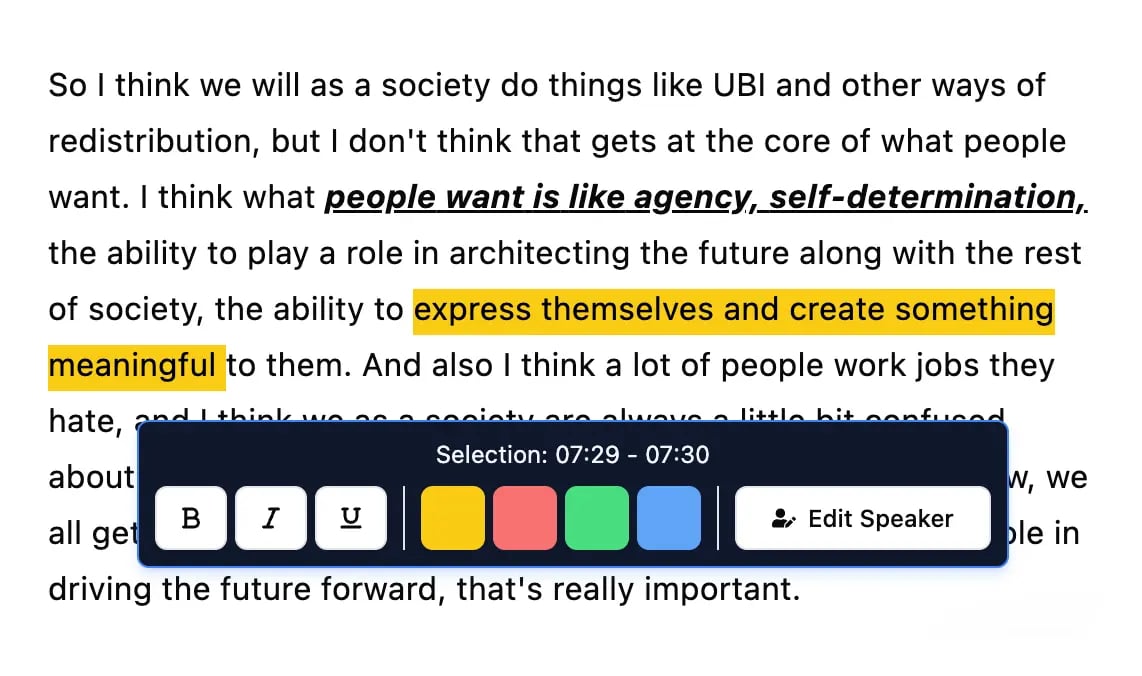
Herramientas de edición
Edita transcripciones con herramientas potentes como buscar y reemplazar, asignación de hablantes, formatos de texto enriquecido y resaltado.
Resúmenes y Chatbot
Genera resúmenes y otros análisis de tu transcripción, prompts personalizados reutilizables y chatbot para tu contenido.
De las notas crudas a un registro potente
Una vez que termina la reunión, lo que tienes son solo los ingredientes crudos. El verdadero trabajo comienza ahora: convertir esa maraña de notas en un registro limpio y valioso que brinde claridad instantánea a todos, especialmente a quienes no pudieron asistir. El objetivo es simple: refinar tus notas desordenadas en un documento que cualquiera pueda escanear y digerir en menos de dos minutos.
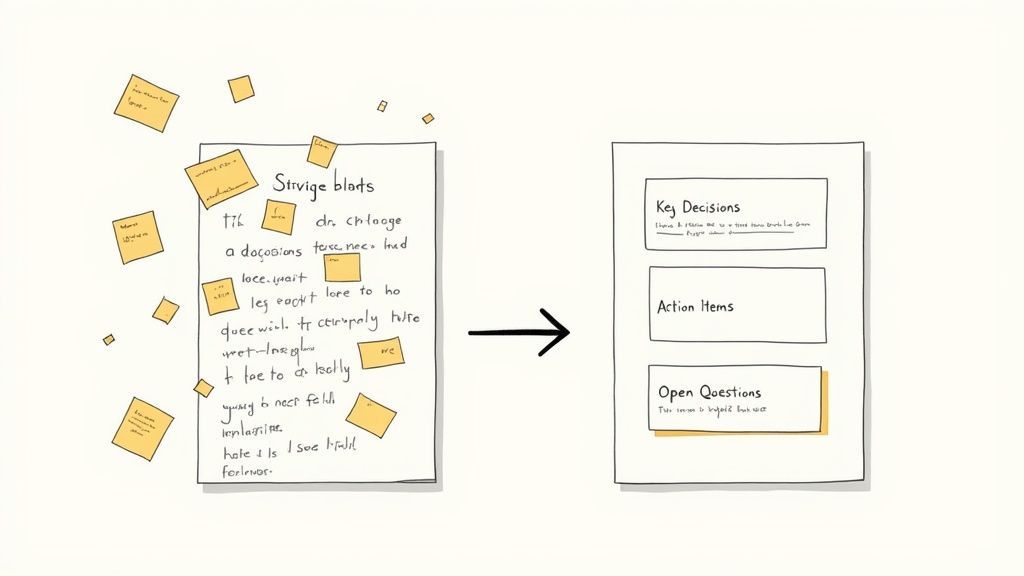
Esto no se trata solo de transcribir lo que se dijo. Estás agregando valor real al traducir el caos conversacional en declaraciones objetivas y concisas, y organizando puntos dispersos en un flujo lógico.
Estructura para una máxima escaneabilidad
Los mejores resúmenes de reuniones están diseñados para la velocidad. Olvídate de los párrafos largos y narrativos. En su lugar, enmarca tu resumen en torno a los tres elementos que realmente impulsan la acción y mantienen a todos alineados.
- Decisiones Clave: Indica los resultados finales en un lenguaje claro y sin ambigüedades. En lugar de un vago "Hablamos sobre el sitio web", hazlo concreto: "Decisión: Se aprueba el diseño de la página de inicio del nuevo sitio web."
- Elementos de Acción: Esta es la parte más crucial. Enumera claramente lo que debe hacerse, quién es el responsable y cuándo vence. El formato [Responsable] – [Tarea] – [Fecha límite] es mi preferido por su claridad inmejorable.
- Preguntas Abiertas: No dejes que las buenas preguntas o los problemas no resueltos desaparezcan. Documenta para que puedan abordarse más adelante. Esto evita que se olviden cabos sueltos importantes antes de la próxima puesta al día.
Lograr que esta estructura sea correcta es un cambio de juego. Si deseas profundizar, hemos preparado una guía completa sobre cómo crear un formato de actas de reunión con elementos de acción que garantiza que nada se pierda.
El verdadero poder de un resumen no es solo lo que contiene, sino lo que omite. Tu trabajo es cortar el ruido y entregar solo las conclusiones y compromisos que importan.
Cuando resumes una reunión de esta manera, estás creando una herramienta de rendición de cuentas. Elimina la ambigüedad y se convierte en la única fuente de verdad en la que todo el equipo puede confiar. Es así como te aseguras de que la energía de la discusión se traduzca en un progreso real después.
Usar IA para resumir una reunión en minutos, no en horas
Seamos honestos: resumir reuniones manualmente es una tarea aplastante para el alma. Drena horas que podrías estar dedicando a trabajo real. Pero las herramientas modernas de IA están cambiando el juego, convirtiendo esa tarea de varias horas en una revisión rápida de diez minutos. En lugar de volver a escuchar minuciosamente horas de grabaciones, puedes entregar el primer borrador completo a una IA.
¿Cómo funciona? Estas herramientas comienzan creando una transcripción completa y buscable de tu conversación. A partir de ahí, la IA se pone a trabajar generando un borrador de resumen, identificando decisiones clave e incluso extrayendo una lista ordenada de todos los elementos de acción que se asignaron. Hace todo el trabajo pesado, dándote un punto de partida sólido y estructurado.
De la transcripción cruda al resumen pulido
La verdadera magia ocurre cuando intervienes para refinar lo que la IA ha producido. Tu rol cambia por completo de ser un escriba a ser un editor. Ya no solo estás transcribiendo palabras; estás guiando a la IA para que capture el matiz exacto de la discusión.
Por ejemplo, puedes usar indicaciones específicas para afinar los resultados y obtener exactamente lo que necesitas:
- "Resume las decisiones clave tomadas sobre el presupuesto del cuarto trimestre."
- "Enumera todos los elementos de acción asignados al equipo de marketing, junto con sus fechas límite."
- "Extrae los puntos principales de desacuerdo durante la discusión de la hoja de ruta del producto."
Es un proceso interactivo que mejora tu juicio, no lo reemplaza. Para ver cómo funciona esto en el mundo real, nuestra guía sobre cómo elegir un tomador de notas con IA para Zoom profundiza en estas capacidades.
El objetivo no es solo obtener un resumen más rápido; es obtener uno más inteligente. La IA te proporciona las materias primas, pero tus ideas las transforman en un documento verdaderamente útil que impulsa la acción.
Esta captura de pantalla muestra la interfaz simple donde cargas tu audio o video para comenzar.
A partir de aquí, la plataforma se pone a trabajar, procesando el archivo para crear la transcripción que se convertirá en la base de tu resumen. Este cambio hacia el uso de la inteligencia artificial está cambiando la forma en que manejamos la información en general. Si deseas profundizar, tendencias como la integración de IA en la creación de contenido ofrecen una visión más amplia.
Al utilizar estas herramientas, puedes resumir una reunión en una fracción del tiempo, liberándote para el trabajo estratégico que realmente importa.
Mejores prácticas y errores comunes al resumir reuniones
Bien, ya tienes tus notas refinadas. La última pieza del rompecabezas es hacérselas llegar a tu equipo, pero cómo y cuándo envías ese resumen puede determinar su impacto. El objetivo real es hacer llegar esa información mientras la conversación aún está fresca en la mente de todos para mantener el impulso.
El momento es absolutamente crítico. Uno de los mayores errores que veo cometer a los equipos es esperar más de 24 horas para enviar un resumen. Esa demora mata la velocidad del proyecto. Deberías apuntar a compartirlo en unas pocas horas, o al menos, antes de que todos se desconecten por el día. Es algo pequeño, pero señala urgencia y demuestra que respetas su tiempo.
Los resúmenes retrasados matan el impulso
Esperar demasiado para compartir un resumen hace que los equipos olviden las decisiones. Los elementos de acción pierden urgencia y la responsabilidad se debilita. Envía siempre los resúmenes mientras la reunión aún está fresca.
Cómo redactar y almacenar tu resumen
La forma en que redactas el resumen importa. Cuando lo envíes por correo electrónico o Slack, no te limites a adjuntar un archivo y darlo por terminado. Incluye el punto de acción o la decisión más importante directamente en el cuerpo de tu mensaje. Tienes que captar su atención de inmediato.
Por ejemplo, un inicio sencillo como: "Aquí está el resumen de nuestra llamada: la conclusión principal es que Sarah tendrá los diseños finales listos para el viernes", proporciona contexto instantáneo. La gente sabrá lo que es importante sin siquiera abrir el documento.
También necesitas una forma inteligente de almacenar estos resúmenes para que se conviertan en un activo a largo plazo. Dejarlos enterrados en hilos de correo electrónico es una receta para el desastre. En su lugar, crea un lugar central y con capacidad de búsqueda para ellos.
- Unidad Compartida: Una carpeta simple en Google Drive o SharePoint funciona de maravilla.
- Herramienta de Gestión de Proyectos: Adjunta resúmenes directamente a tareas o proyectos en herramientas como Asana, Jira o Trello.
- Wiki/Intranet: Crea una página dedicada en Confluence o Notion de tu empresa.
Un resumen bien almacenado no es solo un registro de un evento pasado; es un plano consultable para futuras decisiones. Evita que el equipo repita viejas conversaciones y pone al día a los nuevos miembros al instante.
Finalmente, mantente atento a algunas trampas comunes. No escribas una novela, sé conciso. Y siempre, siempre resalta en negrita los nombres clave y las fechas límite. Un buen resumen se trata de claridad. Cuanto más fácil sea escanearlo, mayores serán las posibilidades de que tu equipo lo lea y tome medidas.
Algunas preguntas pendientes
¿Tienes un par de preguntas que aún te dan vueltas? No estás solo. Aquí tienes las respuestas a algunas cosas que la gente suele preguntar cuando se está familiarizando con los resúmenes de reuniones.
Entonces, ¿cuánto debería durar realmente un resumen de reunión?
Siempre es tentador incluir más, pero la regla de oro es mantenerlo corto y conciso. Para una reunión típica de una hora, el resumen debe ser algo que un colega ocupado pueda escanear y comprender en menos de dos minutos.
Piénsalo como el resumen de los mejores momentos, no la película completa. Tu objetivo es un puñado de puntos clave potentes que capturen las decisiones y los puntos de acción principales. Si alguien tiene verdadera curiosidad por los detalles minuciosos, siempre tiene la transcripción completa a su disposición. El trabajo del resumen es transmitir lo esencial, rápido.
¿Qué pasa si alguien no está de acuerdo con el resumen?
Esto es más común de lo que piensas, especialmente cuando la discusión fue compleja o un poco acalorada. Lo primero que debes recordar es no tomártelo como algo personal. Tu objetivo es ser el escriba objetivo.
Cuando un interesado se opone a un punto, invítalo a ayudarte a corregirlo. En lugar de entrar en un debate, pídele que sugiera una mejor manera de redactarlo.
Un simple "Gracias por tus comentarios. ¿Cómo lo redactarías para capturar mejor la decisión?" funciona de maravilla. Cambia instantáneamente la conversación de una confrontación a una colaboración.
Este pequeño truco mantiene todo el proceso constructivo. También asegura que el resumen final sea algo en lo que todos realmente han invertido, reflejando lo que el grupo acordó colectivamente.
¿Listo para dejar de perder tiempo en notas manuales de reuniones? Transcript.LOL utiliza IA para crear transcripciones, resúmenes y puntos de acción precisos en minutos. Pruébalo gratis y compruébalo tú mismo.