10 métodos efectivos para tomar notas y dominar la información en...
Desbloquea tu potencial con estos 10 métodos efectivos para tomar notas. Aprende a usar Cornell, mapas mentales y más para retener información y aumentar la productividad.
Kate, Praveen
May 7, 2025
En un mundo saturado de información proveniente de podcasts, reuniones y conferencias, simplemente escribir no es suficiente. La diferencia entre olvidar y comprender verdaderamente radica en cómo capturas y procesas la información. Los métodos pasivos y tradicionales a menudo no logran seguir el ritmo, dejándote con notas desorganizadas que son difíciles de revisar y rara vez conducen a una visión genuina. Esta guía va más allá de la simple escritura para presentar 10 métodos efectivos para tomar notas probados, cada uno diseñado para transformar la escucha pasiva en aprendizaje y retención activa.
¿Qué ofrece realmente la toma de notas efectiva?
Mejor retención
La toma de notas estructurada fomenta el procesamiento activo en lugar de la grabación pasiva, ayudando a que la información pase a la memoria a largo plazo.
Revisión más rápida
Las notas bien organizadas reducen la necesidad de volver a ver o escuchar, ahorrando tiempo durante exámenes, reuniones y creación de contenido.
Claridad en la acción
Las notas efectivas resaltan decisiones, ideas y próximos pasos en lugar de enterrarlos en texto sin procesar.
Reutilización del conocimiento
Las notas sólidas se convierten en activos reutilizables: guías de estudio, artículos, resúmenes o material de capacitación.
Por supuesto, las mejores técnicas solo son tan buenas como tu capacidad de concentración. Antes de sumergirte en técnicas específicas, es esencial cultivar el estado mental adecuado; puedes mejorar significativamente tu aprendizaje dominando la concentración al estudiar.
Este artículo proporciona un resumen completo de enfoques estructurados, desde el clásico Método Cornell hasta estrategias innovadoras como el Método TAG. Exploraremos cómo las herramientas modernas, incluida la transcripción con IA, pueden potenciar estas técnicas clásicas, ayudándote no solo a registrar información, sino a dominarla.
Las notas solo son tan poderosas como la forma en que las capturas
La toma de notas moderna combina estructura con automatización. Cuando la captura es precisa y buscable, tu enfoque cambia de escribirlo todo a comprender lo que importa.
Ya sea que seas un estudiante preparándose para exámenes, un profesional que busca sacar más provecho de las reuniones o un creador de contenido que resume temas complejos, encontrar el método adecuado aquí revolucionará tu productividad. Desglosaremos los casos de uso específicos, pros, contras y pasos de implementación prácticos para cada uno, para que puedas encontrar el sistema perfecto para tus necesidades.
1. El Método Cornell
Desarrollado por el profesor Walter Pauk de la Universidad de Cornell, el Método Cornell es un formato sistemático para condensar y organizar notas. Este enfoque es uno de los métodos de toma de notas más efectivos para convertir contenido de audio o video denso derivado de transcripciones en información estructurada y procesable. La página se divide en tres secciones distintas: una columna derecha grande para notas detalladas, una columna izquierda más estrecha para pistas y preguntas, y una sección de resumen en la parte inferior.
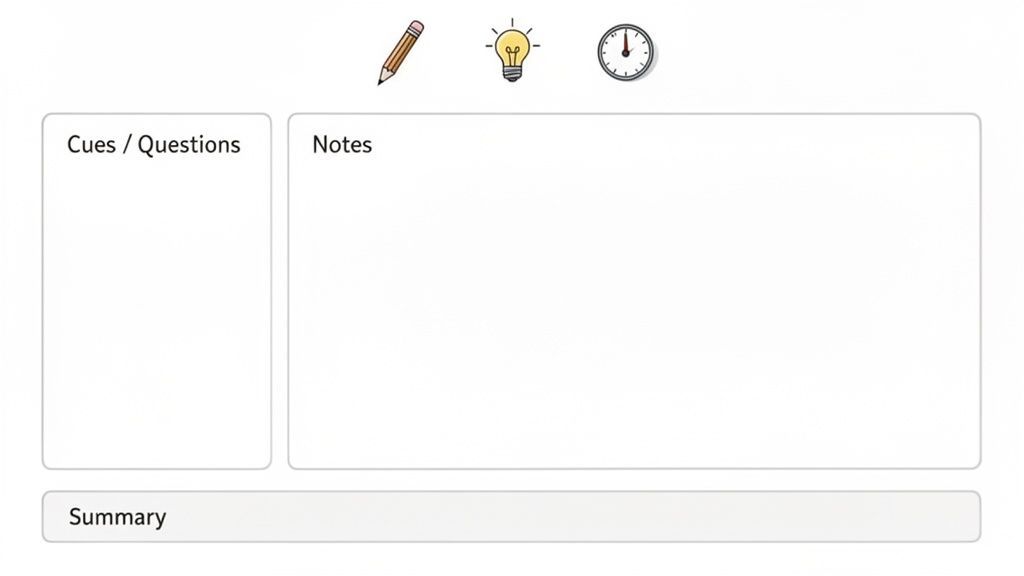
Este método fuerza la participación activa con el material. En lugar de transcribir pasivamente, debes analizar inmediatamente el contenido para formular ideas principales, preguntas clave y un resumen conciso. Este proceso de recuerdo activo aumenta significativamente la comprensión y la retención a largo plazo.
Mejores Casos de Uso
- Estudiantes: Convertir conferencias grabadas en guías de estudio organizadas.
- Investigadores: Estructurar hallazgos clave y preguntas de transcripciones de entrevistas o podcasts.
- Equipos Corporativos: Resumir transcripciones de reuniones en elementos de acción y decisiones claras. Aprende a resumir reuniones de manera efectiva para mejorar este proceso.
Consejos de Implementación
Para aplicar este método a una transcripción, primero coloca tus notas detalladas de la grabación en la columna derecha. Luego, revisa esas notas y formula preguntas o palabras clave en la columna izquierda de "pistas". Finalmente, escribe un resumen de una o dos oraciones del contenido de la página en la parte inferior. Para una máxima retención, revisa tus notas y escribe el resumen dentro de las 24 horas. La columna de pistas también es un excelente lugar para agregar etiquetas de orador o marcas de tiempo para una fácil referencia.
2. La Técnica Feynman
Desarrollada por el físico ganador del Premio Nobel Richard Feynman, esta técnica es un poderoso modelo mental para aprender y retener información. La Técnica Feynman es uno de los métodos de toma de notas más efectivos para garantizar una comprensión profunda, no solo memorización. Opera bajo el principio de que si no puedes explicar un concepto en términos simples, realmente no lo entiendes. Para los usuarios de transcripciones, esto significa transformar contenido de audio complejo en explicaciones claras y simplificadas.
Este método te obliga activamente a identificar los componentes centrales de un tema y destilarlos a su forma más simple. En lugar de simplemente extraer frases clave de una transcripción, debes procesar la información y volver a articularla, revelando cualquier brecha en tu propia comprensión. Este proceso de simplificación y enseñanza es una forma muy efectiva de solidificar el conocimiento.
Mejores Casos de Uso
- Educadores: Convertir transcripciones detalladas de conferencias o podcasts en materiales de estudio amigables para estudiantes.
- Creadores de Contenido de Marketing: Simplificar transcripciones de entrevistas técnicas en publicaciones accesibles para redes sociales o contenido de blog.
- Profesionales de Marketing: Desglosar explicaciones complejas de características de productos de reuniones de desarrollo en mensajes claros para diversas audiencias de clientes.
Consejos de Implementación
Para aplicar esta técnica a una transcripción, comienza revisando el contenido. Luego, escribe una explicación de los conceptos centrales como si se los estuvieras enseñando a un niño de 12 años. Identifica cualquier área donde tengas dificultades o dependas de jerga; estas son tus brechas de conocimiento. Refina tu explicación hasta que sea simple, clara y precisa. Grabarte explicando el contenido de la transcripción puede ser una excelente manera de probar tu comprensión real.
3. El Método de Esquema
El Método de Esquema es un enfoque altamente estructurado y jerárquico que organiza la información de manera lógica. Utiliza temas principales, subtemas y detalles de apoyo, a menudo representados por números romanos, letras y números, para crear un marco esquelético claro del contenido. Este método es excepcionalmente efectivo para extraer información clave de transcripciones detalladas y organizarla en un documento coherente y procesable.
Este sistema brilla cuando se trata de contenido estructurado como conferencias, reuniones o presentaciones bien organizadas. Al deconstruir la información en una jerarquía, puedes ver fácilmente las relaciones entre las ideas principales y los detalles granulares. La naturaleza lineal del esquema facilita la revisión y la identificación de los puntos más críticos de un vistazo, transformando conversaciones densas en un resumen escaneable.
Mejores Casos de Uso
- Periodistas: Organizar transcripciones de entrevistas en secciones temáticas y subtemas para un artículo.
- Profesionales del Derecho: Estructurar transcripciones de deposiciones por categorías de reclamaciones y evidencia de apoyo.
- Equipos Corporativos: Condensar transcripciones de reuniones por elementos de agenda, decisiones y puntos de acción.
- Investigadores: Esquematizar episodios de podcasts o conferencias académicas para sintetizar argumentos y hallazgos clave.
Consejos de Implementación
Al trabajar con una transcripción, comienza identificando los temas principales discutidos y úsalos como tus encabezados principales (por ejemplo, I, II, III). Luego, completa los subtemas y detalles de apoyo de la transcripción debajo de cada encabezado. Usa marcas de tiempo de la transcripción como puntos de referencia dentro de tu esquema para una rápida verificación de hechos. Para agilizar este proceso, exporta tu transcripción a formato DOCX y utiliza las herramientas de esquema integradas en tu procesador de texto para administrar fácilmente la jerarquía.
4. El Método de Mapas (Mapas Mentales)
El Método de Mapas, o mapas mentales, es un enfoque visual y no lineal para tomar notas que sobresale en la captura de ideas y sus relaciones. Popularizada por Tony Buzan, esta técnica utiliza una estructura de árbol radial, comenzando con un concepto central y ramificándose a subtemas y detalles relacionados. Es uno de los métodos de toma de notas más efectivos para la lluvia de ideas y la comprensión de conexiones complejas dentro de contenido de podcasts, transcripciones de entrevistas y material de video.
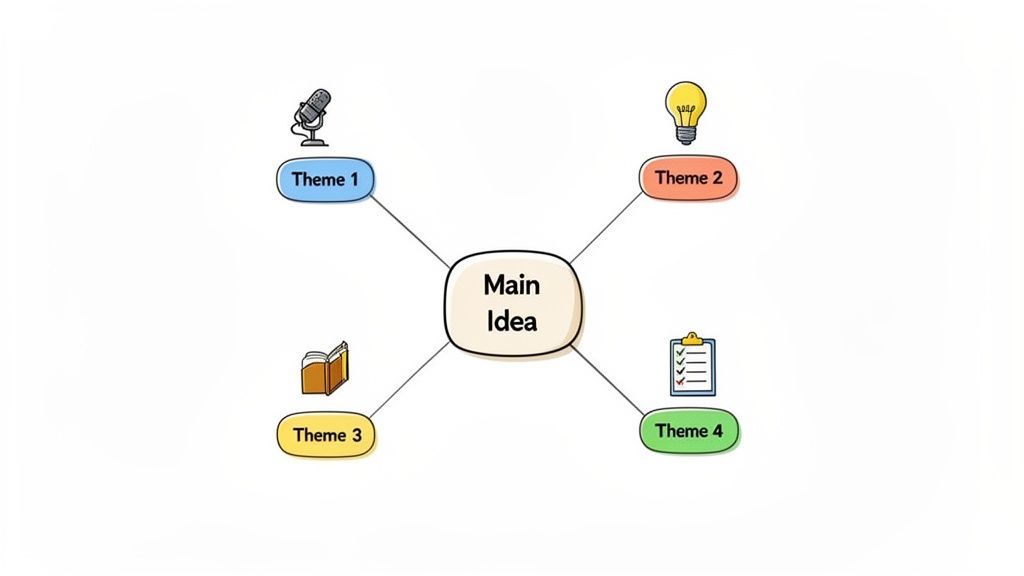
A diferencia de los métodos lineales, la creación de mapas mentales fomenta el pensamiento creativo al permitirte conectar libremente la información. Esto lo hace ideal para transformar conversaciones de audio o video no estructuradas en una visión general visual clara, ayudándote a ver el panorama general e identificar patrones ocultos. La naturaleza visual de este método también ayuda en el recuerdo y la comprensión de la memoria.
Mejores Casos de Uso
- Equipos de Marketing: Visualizar estrategias de la competencia a partir de transcripciones de entrevistas.
- Educadores: Mapear conceptos centrales de episodios de podcasts educativos.
- Equipos de Producto: Organizar discusiones de características y comentarios de usuarios a partir de grabaciones de reuniones.
- Creadores de Contenido: Planificar publicaciones en redes sociales ramificando ideas de contenido de entrevistas.
Consejos de Implementación
Al trabajar con una transcripción, utiliza el tema principal o el orador como tu idea central. Crea ramas primarias para los temas clave discutidos en la grabación. Luego puedes agregar sub-ramas para detalles específicos, citas o puntos de datos. Para una mejor organización, codifica por colores las ramas por tema u orador, y usa marcas de tiempo para referenciar el material fuente original de cada punto. Combinar esto con una búsqueda de transcripciones te permite completar rápidamente tu mapa con información precisa.
5. El Método de Frases
El Método de Frases es un enfoque lineal y directo donde cada nuevo pensamiento, hecho o tema se captura como una oración separada y completa. En lugar de usar taquigrafía o viñetas, esta técnica prioriza la claridad y el contexto, creando un registro detallado y cronológico de la información. Es uno de los métodos de toma de notas más efectivos para capturar diálogos densos y continuos de transcripciones de audio o video donde preservar el contexto original es crucial.
Este método te obliga a procesar la información activamente al identificar puntos distintos y articularlos completamente. El resultado es un conjunto completo de notas que es fácil de entender más tarde sin requerir que recuerdes el contexto original. Cada oración se mantiene por sí sola como una pieza completa de información, lo que es ideal para la documentación y el análisis detallados.
Mejores Casos de Uso
- Profesionales de la Salud: Documentar transcripciones de entrevistas con pacientes con precisión.
- Periodistas: Registrar notas detalladas de transcripciones de entrevistas y podcasts, asegurando que las citas y los hechos se capturen con precisión.
- Profesionales del Derecho: Mantener registros completos e inequívocos de transcripciones de deposiciones o declaraciones de testigos.
- Investigadores: Capturar metodologías detalladas o conceptos complejos de conferencias académicas grabadas.
Consejos de Implementación
Al trabajar con una transcripción, lee el texto sin procesar y destila cada punto clave en su propia oración. Numera cada oración secuencialmente para una fácil organización y referencia. Para grabaciones con varios oradores, comienza cada oración con la atribución del orador (por ejemplo, "El Dr. Smith declaró..."). Para hacer que tus notas sean escaneables, resalta en negrita o resalta las oraciones más críticas. Agregar marcas de tiempo junto a las oraciones también puede ayudarte a referirte rápidamente al archivo de audio o video original cuando sea necesario.
6. El Método de Tabulación
El Método de Tabulación es un sistema estructurado basado en tablas que utiliza columnas y filas para organizar la información de manera sistemática. Este enfoque es uno de los métodos de toma de notas más efectivos para comparar datos entre múltiples fuentes o categorías, lo que lo hace ideal para convertir datos de transcripciones en un formato analizable. Al crear una cuadrícula, puedes rastrear fácilmente diferentes variables e identificar relaciones, patrones o discrepancias en el contenido.
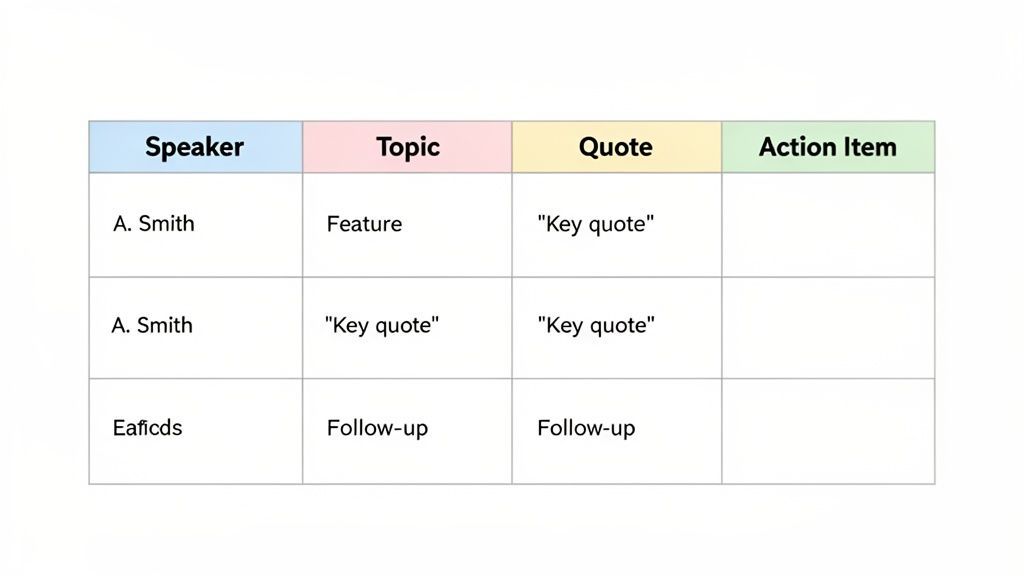
Este método sobresale cuando se trata de contenido que tiene una estructura uniforme, como comparar opiniones de invitados de múltiples transcripciones de podcasts o rastrear temas recurrentes en una serie de reuniones. Proporciona un marco visual que hace que la información compleja sea digerible y resalta los puntos de datos clave de un vistazo. La disposición lógica facilita la revisión rápida y la comparación directa, lo que es difícil de lograr con estilos de toma de notas lineales.
Herramientas que apoyan la toma de notas estructurada
IA de última generación
Impulsado por Whisper de OpenAI para una precisión líder en la industria. Soporte para vocabularios personalizados, archivos de hasta 10 horas y resultados ultra rápidos.

Importar desde múltiples fuentes
Importa archivos de audio y video desde diversas fuentes, incluyendo carga directa, Google Drive, Dropbox, URLs, Zoom y más.

Detección de hablantes
Identifica automáticamente diferentes hablantes en tus grabaciones y etiquétalos con sus nombres.
Mejores Casos de Uso
- Investigadores de Mercado: Analizar múltiples transcripciones de entrevistas para comparar los comentarios de los clientes sobre características específicas.
- Productores de Podcasts: Rastrear y comparar las perspectivas de los invitados sobre un tema recurrente a través de diferentes episodios.
- Equipos Corporativos: Documentar elementos de acción, responsables y plazos de las transcripciones de reuniones semanales.
- Profesionales Legales: Organizar sistemáticamente testimonios de varias transcripciones de deposiciones para identificar consistencias.
Consejos de Implementación
Para utilizar eficazmente el Método de Gráficos con una transcripción, defina sus columnas antes de comenzar. Las columnas comunes incluyen Orador, Tema, Cita Clave y Elemento de Acción. Utilice las funciones de detección de orador en las herramientas de transcripción para organizar automáticamente el contenido por persona, lo que simplifica el llenado de las filas. Considere crear gráficos separados para diferentes propósitos analíticos, como uno para las decisiones tomadas y otro para las preguntas planteadas. Incluir una columna de marca de tiempo también es crucial para referenciar rápidamente el audio o video original. Para una edición fácil, puede exportar su transcripción a un archivo DOCX e insertar una tabla directamente.
7. El Método TAG (Transcribir-Anotar-Generar)
El Método TAG es un flujo de trabajo moderno mejorado por IA diseñado para cerrar la brecha entre el contenido de audio o video sin procesar y los resultados procesables. Este enfoque aprovecha la tecnología para primero Transcribir el medio, luego le permite Anotar secciones clave y, finalmente, ayuda a Generar contenido derivado como resúmenes, cuestionarios o publicaciones en redes sociales. Transforma la escucha pasiva en un proceso activo de creación de contenido.
Características que convierten las notas en acción
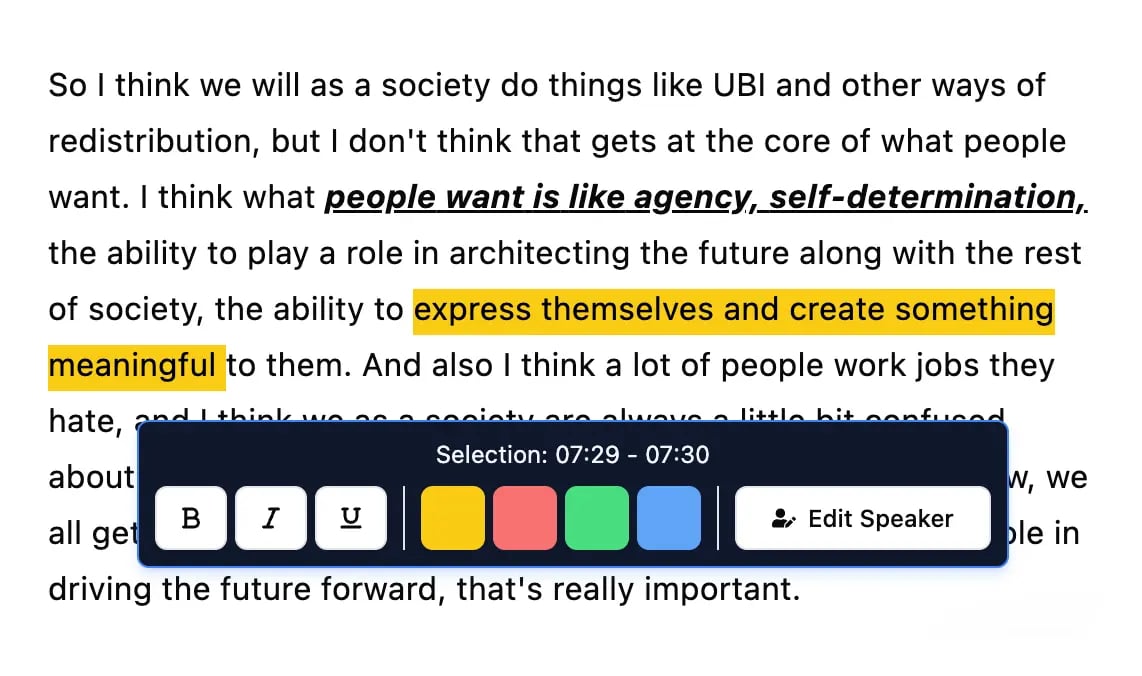
Herramientas de edición
Edita transcripciones con herramientas potentes como buscar y reemplazar, asignación de hablantes, formatos de texto enriquecido y resaltado.
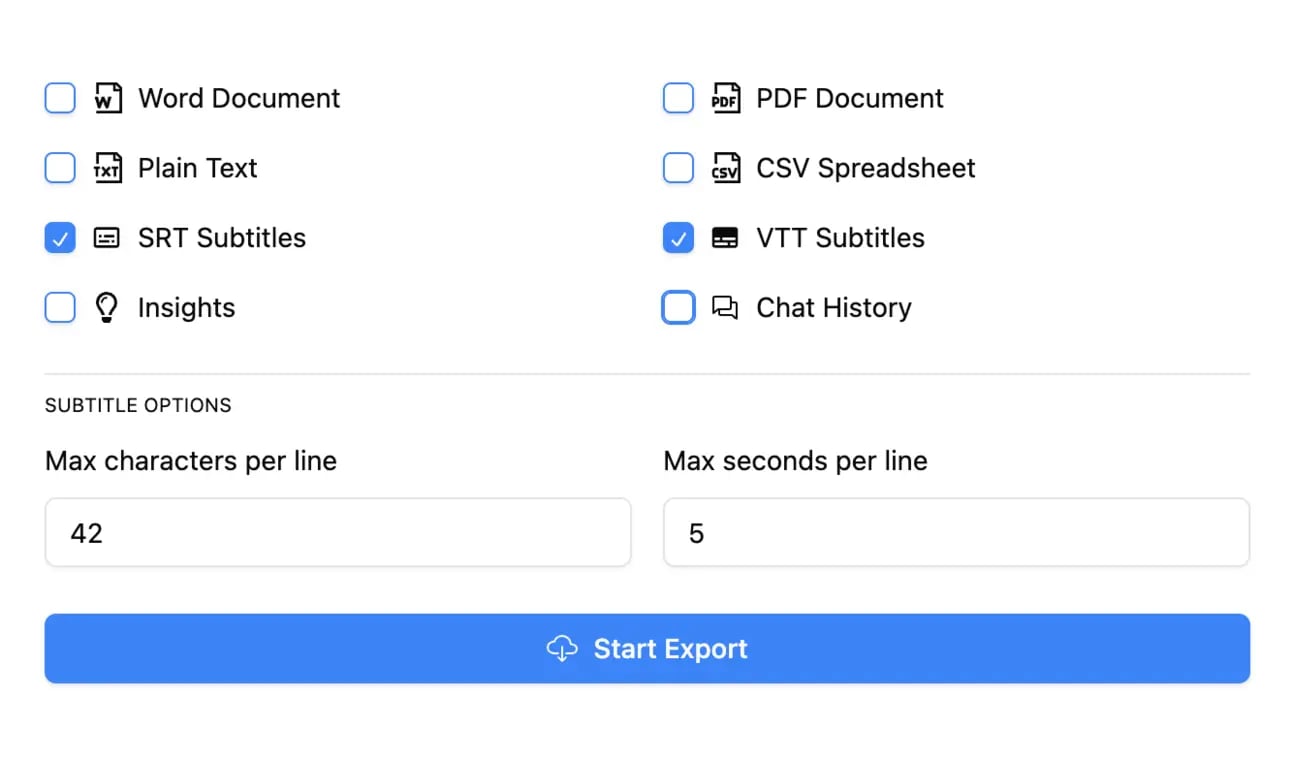
Exportar en múltiples formatos
Exporta tus transcripciones en múltiples formatos incluyendo TXT, DOCX, PDF, SRT y VTT con opciones de formato personalizables.
Resúmenes y Chatbot
Genera resúmenes y otros análisis de tu transcripción, prompts personalizados reutilizables y chatbot para tu contenido.
Este sistema es uno de los métodos de toma de notas más efectivos para profesionales que necesitan reutilizar información de manera eficiente. Al automatizar la transcripción, puedes enfocar tu energía en tareas de mayor nivel, como identificar ideas cruciales y crear nuevos materiales. El proceso agiliza la producción de contenido, asegurando que no se pierda información clave de reuniones, entrevistas o conferencias.
Mejores Casos de Uso
- Creadores de Contenido: Conversión rápida de transcripciones de podcasts o videos en notas detalladas del programa, gráficos de citas y contenido promocional para redes sociales.
- Profesionales de Marketing: Extracción de testimonios de clientes, puntos débiles y mensajes clave de transcripciones de entrevistas para impulsar campañas.
- Educadores: Generación de guías de estudio, preguntas de examen y resúmenes de conferencias grabadas para apoyar el aprendizaje de los estudiantes.
- Equipos Corporativos: Conversión de grabaciones de reuniones en resúmenes estructurados, elementos de acción y comunicaciones de seguimiento.
Consejos de Implementación
Para empezar, sube tu archivo de audio o video a un servicio de transcripción. Mientras la transcripción esté fresca, revísala y anota los pasajes más importantes, añadiendo comentarios o etiquetas. Utiliza estas anotaciones como base para generar resúmenes, elementos de acción u otros formatos de contenido. Para obtener más información sobre este flujo de trabajo, puedes explorar el poder de la conversión de audio a texto impulsada por IA. El uso de marcas de tiempo en tus anotaciones permite una fácil referencia a la grabación original.
8. El Método de Toma de Notas de Escucha Activa
El Método de Toma de Notas de Escucha Activa prioriza la participación completa con el orador sobre la transcripción exhaustiva en tiempo real. Este enfoque cambia el foco de capturar cada palabra a comprender el mensaje central, los matices y el contexto durante una conversación o presentación en vivo. Implica tomar notas mínimas inicialmente, como frases clave o preguntas, para mantener la presencia y luego usar una transcripción para la anotación detallada posterior.
Escribir demasiado puede perjudicar la comprensión
Intentar capturar todo en tiempo real a menudo reduce la comprensión. Separar la escucha de la documentación mejora el enfoque y la perspicacia.
Este método transforma la toma de notas de una tarea de grabación pasiva a un proceso activo de comprensión y análisis. Al separar el acto de escuchar del acto de documentación detallada, puedes interactuar más profundamente con el orador y el tema, lo que lleva a una mayor comprensión. La revisión posterior con una transcripción completa garantiza que no se pierdan detalles críticos, combinando los beneficios del compromiso activo con la conservación exhaustiva de registros.
Mejores Casos de Uso
- Profesionales: Capturar puntos clave durante entrevistas con clientes o reuniones de equipo sin desconectarse de la conversación.
- Estudiantes: Asimilar completamente conferencias complejas y participar en discusiones en clase, para luego refinar las notas de estudio más tarde.
- Oyentes de Podcasts: Anotar pensamientos rápidos o notas de voz mientras escuchan, y luego usar una transcripción para analizar el contenido en detalle.
Consejos de Implementación
Primero, concéntrate en el orador y limita tus notas en tiempo real solo a los conceptos más esenciales o a tus preguntas inmediatas. Después de la sesión, genera una transcripción completa de la grabación. Revisa esta transcripción para completar los detalles que omitiste intencionalmente, corregir cualquier malentendido y agregar tus propias reflexiones. Este proceso de dos pasos lo convierte en uno de los métodos de toma de notas más efectivos para equilibrar la presencia con la precisión. Para mejorar tu participación, explora los principios de qué es la escucha activa y cómo mejora la comunicación.
9. El Método de Toma de Notas Basado en Preguntas
El Método de Toma de Notas Basado en Preguntas es un enfoque impulsado por la investigación que redefine el proceso de toma de notas de grabación pasiva a investigación activa. En lugar de simplemente transcribir información, estructuras tus notas en torno a preguntas que surgen antes, durante y después de consumir contenido. Este método es excepcionalmente efectivo para transformar una transcripción en una herramienta dinámica para la exploración y el pensamiento crítico.
Esta técnica te obliga a interactuar con el material a un nivel más profundo, buscando respuestas en lugar de simplemente documentar declaraciones. Convierte una transcripción de estilo monólogo en un diálogo interactivo, promoviendo la curiosidad y asegurando que tu proceso de revisión se centre en encontrar información específica y relevante. Este compromiso activo mejora significativamente tanto la comprensión como la retención.
Mejores Casos de Uso
- Investigadores: Desarrollar preguntas de investigación antes de analizar las transcripciones de entrevistas para guiar su enfoque.
- Periodistas: Preparar preguntas relacionadas con la historia para encontrar rápidamente citas y hechos clave dentro de las notas de las entrevistas.
- Estudiantes: Convertir las transcripciones de conferencias en un formato de preguntas y respuestas para crear potentes guías de estudio para exámenes.
- Creadores de Contenido: Revisar el material fuente con un enfoque de tipo FAQ para generar nuevas ideas de contenido.
Consejos de Implementación
Comienza generando una lista de preguntas iniciales antes de leer la transcripción. A medida que revisas el contenido, agrega nuevas preguntas a medida que se te ocurran. Cuando encuentres una respuesta dentro de la transcripción, documéntala junto con la marca de tiempo correspondiente para una referencia rápida. Organiza tus preguntas temáticamente o por prioridad para crear una base de conocimiento estructurada y consultable. Este es otro de los métodos de toma de notas más efectivos para la recuperación de información específica.
10. El Método Híbrido Digital-Analógico
El Método Híbrido Digital-Analógico cierra la brecha entre la eficiencia moderna y el aprendizaje tradicional, combinando la velocidad de la transcripción digital con los beneficios de retención probados de la escritura a mano. Este enfoque implica capturar contenido de audio o video digitalmente, transcribirlo para mayor precisión y capacidad de búsqueda, y luego escribir a mano los puntos clave. Es uno de los métodos de toma de notas más efectivos para aquellos que desean tanto un archivo digital completo como las ventajas cognitivas de la creación de notas manuales.
Esta técnica combinada aprovecha las fortalezas de ambos mundos. Las herramientas digitales ofrecen velocidad, almacenamiento fácil y potentes funciones de búsqueda, mientras que el acto de escribir a mano obliga a tu cerebro a procesar la información de manera más profunda, mejorando significativamente la memoria y la comprensión. Al comenzar con una transcripción completa, puedes enfocar tus esfuerzos de escritura a mano en la síntesis y el análisis en lugar de simplemente capturar cada palabra.
Mejores Casos de Uso
- Estudiantes: Grabar conferencias, transcribirlas y luego escribir a mano guías de estudio o esquemas.
- Profesionales: Utilizar un tomador de notas con IA para reuniones de Zoom para obtener una transcripción completa, y luego escribir a mano los elementos de acción y las decisiones clave.
- Creadores de Contenido: Capturar pensamientos brutos a través de notas de voz, transcribirlas y luego escribir a mano mapas mentales o guiones gráficos.
Consejos de Implementación
Para implementar este método, comienza grabando tu audio o video y generando una transcripción digital. Revisa la transcripción en tu pantalla para identificar las secciones más cruciales. A continuación, utiliza ese documento digital como referencia para escribir tus notas a mano, quizás utilizando el método de Esquema o Cornell en papel. Para una organización adicional, puedes imprimir la transcripción y anotarla directamente con bolígrafos y resaltadores. Finalmente, toma una foto de tus notas escritas a mano y almacénala digitalmente junto con la transcripción para un registro completo e integrado.
Comparación de 10 Métodos de Toma de Notas
| Método | 🔄 Complejidad de implementación | ⚡ Recursos / eficiencia | 📊 Resultados esperados | Casos de uso ideales | ⭐ Ventajas clave |
|---|---|---|---|---|---|
| El Método Cornell | Moderada — configurar diseño de tres secciones y rutina de revisión | Tiempo moderado por página; funciona bien con exportaciones digitales | Notas altamente organizadas; mejora de la retención a largo plazo | Conferencias, transcripciones de reuniones, conversión de material de estudio | Revisión estructurada, fácil recuperación |
| La Técnica Feynman | Moderada-Alta — simplificación y prueba iterativas | Consume mucho tiempo (múltiples revisiones); baja necesidad tecnológica | Comprensión conceptual profunda; resúmenes enseñables | Educadores, simplificación de contenido, publicaciones sociales | Revela lagunas de conocimiento; claridad de conceptos |
| El Método de Esquema | Baja-Moderada — identificar encabezados y subpuntos | Eficiente en herramientas digitales; configuración mínima una vez practicado | Notas jerárquicas escaneables; relaciones claras | Periodistas, investigadores, legal, mapeo de conocimiento | Jerarquía clara; fácil conversión a otros formatos |
| El Método de Mapeo (Mapas Mentales) | Moderada — crear ramas radiales y conexiones | Herramientas/tiempo moderados; se recomiendan herramientas visuales | Relaciones visualizadas; descubrimiento de patrones | Brainstorming, equipos creativos, síntesis de conceptos | Visuales memorables; muestra conexiones de ideas |
| El Método de las Frases | Baja — escribir frases completas cronológicamente | Consume mucho tiempo y espacio; proceso sencillo | Registros ricos en contexto y legibles que preservan matices | Salud, periodismo, legal, transcripciones detalladas | Preserva el contexto y el significado detallado |
| El Método de Tabulación | Moderada — requiere columnas/estructura preplanificada | Eficiente para la comparación; se necesita configuración inicial | Comparaciones sistemáticas; tablas de referencia rápida | Transcripciones de múltiples oradores, comparaciones de investigación, seguimiento | Excelente para comparación lado a lado y patrones |
| El Método TAG (Transcribir-Anotar-Generar) | Alta — configuración y anotaciones del flujo de trabajo de IA de varios pasos | Alta eficiencia después de la configuración; depende de herramientas y precisión | Múltiples resultados derivados (resúmenes, cuestionarios, publicaciones) rápidamente | Podcasters, especialistas en marketing, educadores, equipos de alto volumen | Automatiza la producción de contenido; alto ROI de las transcripciones |
| Toma de Notas de Escucha Activa | Baja-Moderada — pausas disciplinadas y captura selectiva | Eficiente para la participación; necesita revisión de transcripción posterior a la sesión | Puntos clave enfocados; mejor participación con el orador | Oyentes, participantes de reuniones, estudiantes | Mantiene la atención; reduce la sobrecarga de información |
| Método Basado en Preguntas | Moderada — requiere formulación hábil de preguntas | Consume tiempo pero es específico; utiliza funciones de búsqueda | Guías de preguntas y respuestas, brechas identificadas, rutas de aprendizaje enfocadas | Investigadores, estudiantes, periodistas, preparación de exámenes | Fomenta el pensamiento crítico; crea guías de estudio |
| Método Híbrido Digital-Analógico | Alta — gestionar la sincronización entre papel y digital | Consume mucho tiempo; necesita múltiples dispositivos/materiales | Alta retención más capacidad de búsqueda digital | Aprendices cinestésicos/visuales, preparación de exámenes, planificación creativa | Combina la retención de la escritura a mano con la organización digital |
Eligiendo Tu Método y Convirtiendo Notas en Acción
Hemos explorado un conjunto completo de diez métodos de toma de notas efectivos y distintos, desde la lógica estructurada del Método Cornell hasta la libertad creativa del Mapeo Mental y la precisión especializada del Método TAG. El viaje a través de estos sistemas revela una verdad fundamental: no existe un único método "mejor" para todos. La técnica más poderosa es la que se integra perfectamente en tu flujo de trabajo, se alinea con tu estilo de aprendizaje y sirve a tus objetivos específicos.
Tomar notas se ha convertido en una habilidad estratégica
Los sistemas más efectivos de hoy combinan técnicas cognitivas con soporte digital. El objetivo es la perspicacia, la velocidad y la reutilización, no solo el almacenamiento.
Tu tarea ahora no es dominar las diez, sino identificar una o dos que resuenen más profundamente. ¿Eres un aprendiz visual que necesita ver conexiones? El Método de Mapeo es tu punto de partida ideal. ¿Necesitas destilar temas complejos para una comprensión profunda? La Técnica Feynman será un aliado invaluable. ¿Eres un periodista o investigador que gestiona grandes cantidades de datos de entrevistas? El Método de Tabulación o el Método TAG proporciona la estructura que necesitas.
De la Captura Pasiva a la Creación Activa
El objetivo final de la toma de notas efectiva no es simplemente crear un archivo estático de información. Se trata de transformar datos brutos en ideas procesables, nuevos conceptos y progreso medible. Este cambio de la grabación pasiva a la creación activa es el sello distintivo de un sistema verdaderamente efectivo. Tus notas deben ser un espacio de trabajo dinámico, no una biblioteca polvorienta.
Para comenzar esta transición, sigue estos pasos prácticos:
- Selecciona y Experimenta: Elige dos métodos de esta lista que parezcan más prometedores para tus tareas habituales, ya sea asistir a una reunión corporativa, escuchar un podcast educativo o planificar un proyecto creativo.
- Comprométete con un Período de Prueba: Utiliza cada método exclusivamente durante una semana. Esta prueba dedicada te dará una idea genuina de sus fortalezas y debilidades en escenarios del mundo real.
- Revisa y Refina: Al final de tu experimento, pregúntate: ¿Me ayudó este método a mantenerme comprometido? ¿Fue fácil revisar mis notas? ¿Generé nuevas ideas a partir de ellas? Utiliza estas respuestas para refinar tu enfoque o probar un método diferente.
- Integra la Tecnología Estratégicamente: Recuerda que las herramientas modernas pueden amplificar cualquier método. Automatizar la captura inicial de información te permite dedicar toda tu energía mental a las tareas más críticas de análisis, síntesis y establecimiento de conexiones.
El poder de dominar métodos efectivos de toma de notas se extiende mucho más allá de simplemente tener notas mejor organizadas. Mejora tu capacidad de aprendizaje, agudiza tu pensamiento crítico y aumenta tu productividad profesional. Al pasar de ser un oyente pasivo a un participante activo en tu propio aprendizaje y trabajo, construyes un sistema que consistentemente brinda claridad e impulsa resultados. El sistema perfecto está esperando que lo construyas.
¿Listo para potenciar tu proceso de toma de notas? Muchos de los métodos que hemos discutido, especialmente los métodos TAG y de Escucha Activa, comienzan con una transcripción perfecta y limpia. Transcript.LOL proporciona transcripciones rápidas, precisas y asequibles para tu audio y video, dándote la base ideal para aplicar estas poderosas técnicas. Visita Transcript.LOL para automatizar tu captura y concentrarte en lo que realmente importa: comprender y crear.