Transcription services spanish: Your 2026 Guide to Top Pr...
Explore transcription services spanish options for 2026: AI vs. human accuracy, speed, and cost, plus tips to pick the right provider.
Kate, Praveen
March 5, 2026
Spanish transcription services are all about one thing: turning spoken Spanish from your audio or video files into clean, written text. It’s the process of creating a readable, searchable document from things like podcasts, interviews, or team meetings.
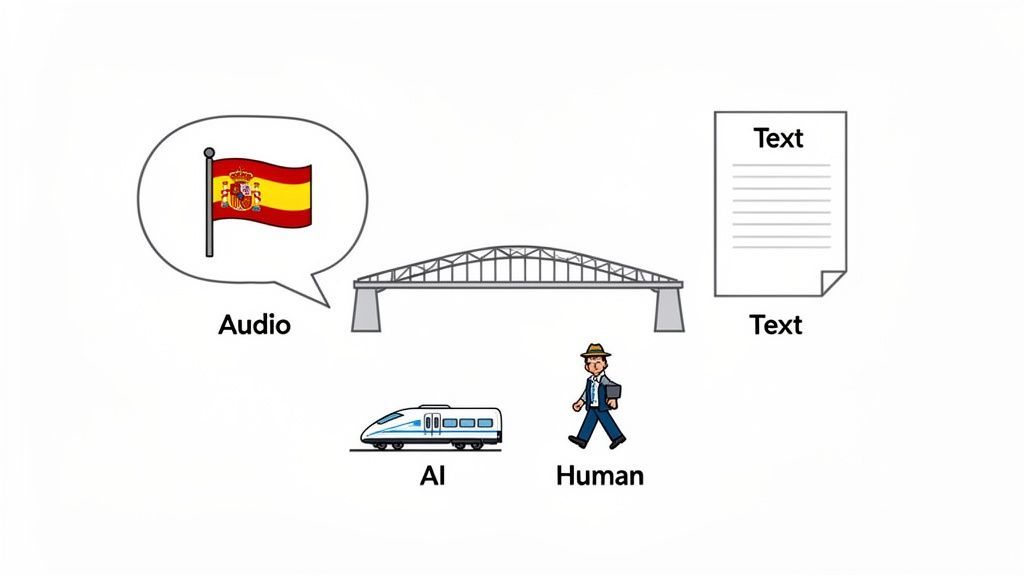
Think of it as a bridge connecting what was said to what you can read. These services take your recordings—whether it’s a business meeting, a journalistic interview, or a viral podcast—and transform them into accurate documents that capture the heart of the conversation.
This is more than just typing out words. It’s about getting the nuances, context, and flow right. When you decide to transcribe Spanish audio, the first big choice you'll face is whether to go with the lightning speed of AI or the careful precision of a human expert.
The Core Choice: AI vs. Human
At the end of the day, you have two main paths for getting your Spanish audio transcribed. Each has its place, and the right one depends entirely on your needs.
Transcription Is All About Unlocking Audio Data.
Audio media contain valuable data but are hard to search, quote, or even analyze in their original form. Transcription is a process of converting spoken conversations into a structured text format that can be easily searched, shared, and referenced in a quick manner. Once your content is in a searchable text format, you can leverage its full potential.
- AI Transcription is like a high-speed train. It’s incredibly fast and perfect for getting a workable draft in minutes from clear audio. Think quick notes, content outlines, or first-pass analysis.
- Human Transcription is your seasoned expert guide for tricky terrain. A professional excels where AI often stumbles, easily handling thick accents, background noise, or speakers talking over each other.
The choice boils down to what you value most. Need a draft immediately for internal use? AI is your best bet. Need a flawless transcript for a legal case? A human is the only way to go.
This fundamental decision between speed and accuracy will shape your entire experience. It’s a choice more and more people are making, too. The global transcription market was valued at around $25.18 billion in 2025 and is expected to hit $37.59 billion by 2032. You can dig into the transcription market's impressive growth to see just how vital these services have become.
At its heart, transcription is about turning unstructured audio data into structured, usable text. Whether you use a machine or a person, the goal is to unlock the value hidden inside your recordings.
AI vs Human Spanish Transcription At a Glance
To make the decision a little easier, here’s a quick breakdown of the trade-offs between automated services like Transcript.LOL and traditional human transcription.
| Factor | AI Transcription (e.g., Transcript.LOL) | Human Transcription |
|---|---|---|
| Speed | Extremely Fast (minutes for an hour of audio) | Slow (hours or days) |
| Cost | Very Low (often a flat subscription) | High (per minute or per hour) |
| Accuracy | Good to excellent with clear audio (85-98%) | Very High (99%+) even with difficult audio |
| Handling Noise | Struggles with background noise & crosstalk | Excellent; can filter out noise and separate speakers |
| Dialects/Accents | Good, but can struggle with heavy regional accents | Excellent; specialists can handle specific dialects |
| Scalability | Highly scalable; process hundreds of hours easily | Limited by human availability |
| Best For | Quick drafts, internal notes, content creation, searchable archives | Legal, medical, academic research, publishing |
Ultimately, many modern workflows use both. You might start with a fast, affordable AI transcript to get 90% of the way there, then have a human proofreader clean it up for perfection. This hybrid approach often gives you the best of both worlds: speed and accuracy.
Smart Ways to Improve Spanish Transcription Results
🎤 Record With the Best Audio Possible
The quality of audio is a crucial aspect when creating a transcript. It is recommended to use a microphone for better results. Additionally, you should avoid recording in a noisy environment. This is important in ensuring that you have a good transcript.
🗣 Encourage One Speaker at a Time
One of the biggest problems in creating a transcript is when you have multiple people speaking simultaneously. When you have a structured conversation or a discussion, you can easily keep track of all the people in the conversation.
📂 Organize Files Before Uploading
Before you upload your file for a transcript, you should make sure you have named your file correctly. Naming your file correctly is important in ensuring that you can easily locate your file when you need it.
🔎 Review the Transcript Quickly
Even though you have used a good tool for creating a transcript, you should always make sure you have a quick look at your transcript.
Understanding Accuracy in Spanish Transcription
When you hear the word "accuracy" in transcription, you probably think of a simple percentage. But what does 98% accurate really mean? True accuracy goes way beyond just getting the words right; it's about capturing the real meaning, cultural context, and subtle nuances of spoken Spanish.
AI Tools That Improve Spanish Transcription Accuracy
State-of-the-art AI
Powered by OpenAI's Whisper for industry-leading accuracy. Support for custom vocabularies, up to 10 hours long files, and ultra fast results.

Import from multiple sources
Import audio and video files from various sources including direct upload, Google Drive, Dropbox, URLs, Zoom, and more.
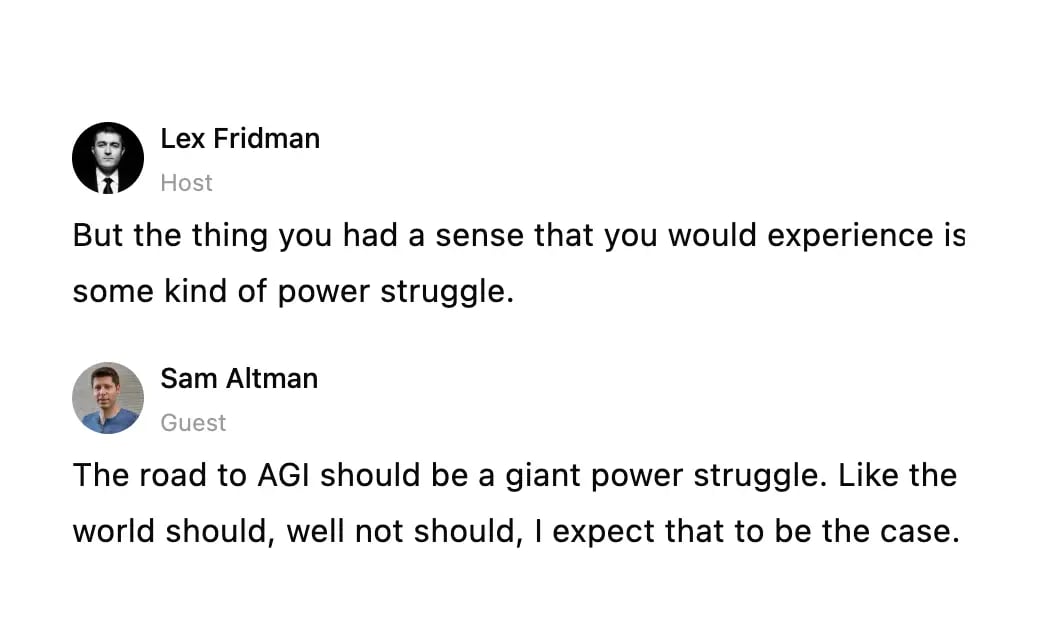
Speaker detection
Automatically identify different speakers in your recordings and label them with their names.
A transcript can be nearly perfect word-for-word but still completely miss the point of the conversation.
Think of it this way: AI transcription can be like a paint-by-numbers kit. It gets the outline and the basic colors right. A human expert, however, is like a portrait artist who captures the glint in someone’s eye or the tiny smirk that reveals sarcasm—the details that tell the real story.
A native Spanish speaker instinctively knows the difference between a formal declaration and a witty aside, even when the words are identical. That's where the real value is.
The Challenge of Dialects and Regionalisms
Spanish isn’t a single, monolithic language. It’s a global powerhouse with over 20 distinct national dialects, each with its own unique flavor of slang, vocabulary, and pronunciation. The fast-paced, slang-heavy Spanish you'd hear in Mexico City is a world away from the formal Castilian of Madrid or the lyrical rhythm of Rioplatense Spanish in Argentina.
It’s like the difference between a thick Scottish brogue and a laid-back Southern drawl. They're both English, but the idioms, pacing, and local expressions couldn't be more different. An AI trained on generic Spanish might stumble over regional phrases or misinterpret local accents, just like an outsider would.
A human transcriber, especially one familiar with a specific dialect, can instantly recognize that "guagua" means "bus" in the Caribbean but "baby" in Chile. This cultural fluency is where human expertise often provides a significant advantage over even the most advanced AI.
These regional quirks aren't just minor details—they’re fundamental to getting the meaning right. A single mistranscribed idiom can flip the entire meaning of a sentence, leading to serious confusion in legal, business, or academic settings. If you want to go deeper on how accuracy is measured, you can learn more about speech-to-text accuracy in our detailed guide.
Technical Hurdles to Flawless Transcription
Even the best transcription services spanish can't work miracles with bad audio. Beyond the linguistic challenges, a handful of technical issues can tank the quality of your final transcript.
Poor Audio Is the Biggest Accuracy Killer
Poor audio quality is a barrier to transcription, both for machines and human transcribers. Background noise, microphone distance, and speaker overlap can cause important words to disappear completely into the background. Taking a few minutes to set up the recording, such as improving the quality of the microphone and the environment, can make a huge difference in the accuracy of the transcript.
These are the most common culprits that reduce accuracy for both AI and human transcribers:
- Background Noise: A loud café, a windy park, or even the drone of an air conditioner can easily swallow words, making them impossible to decipher.
- Multiple Speakers: When people talk over each other (crosstalk), it's a nightmare to separate the dialogue and attribute it correctly.
- Poor Microphone Quality: Using a built-in laptop mic or recording from across the room often results in muffled, tinny, or distorted audio that's tough to understand.
- Inconsistent Volume: If a speaker turns away from the mic or drops their voice to a whisper, their words can get lost, leaving frustrating gaps in the transcript.
The single best thing you can do to improve transcription quality is to prepare your audio. Using dedicated microphones, finding a quiet space, and asking speakers to talk one at a time makes an enormous difference in getting the accurate results you need.
AI Transcription and Human Services Compared
When you're looking at Spanish transcription, the big question always boils down to one thing: machine or human? This isn't just about picking a tool. It's about matching the right method to your project's specific needs for accuracy, speed, and cost.
Think of AI transcription like a high-speed, automated kitchen. A service like Transcript.LOL is built for pure efficiency, turning a clean audio recording into a full text transcript in just a few minutes. It's consistent, incredibly fast, and costs a fraction of what a human would charge, making it perfect for quick drafts or internal notes.
Turning Transcripts Into Usable Content
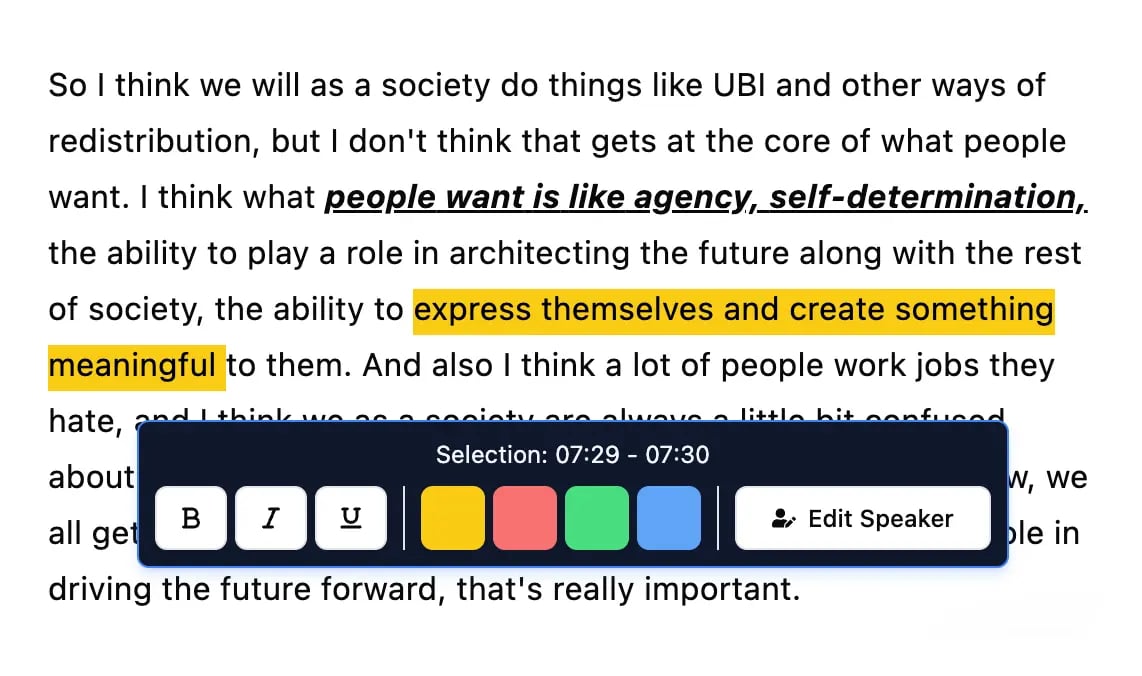
Editing tools
Edit transcripts with powerful tools including find & replace, speaker assignment, rich text formats, and highlighting.
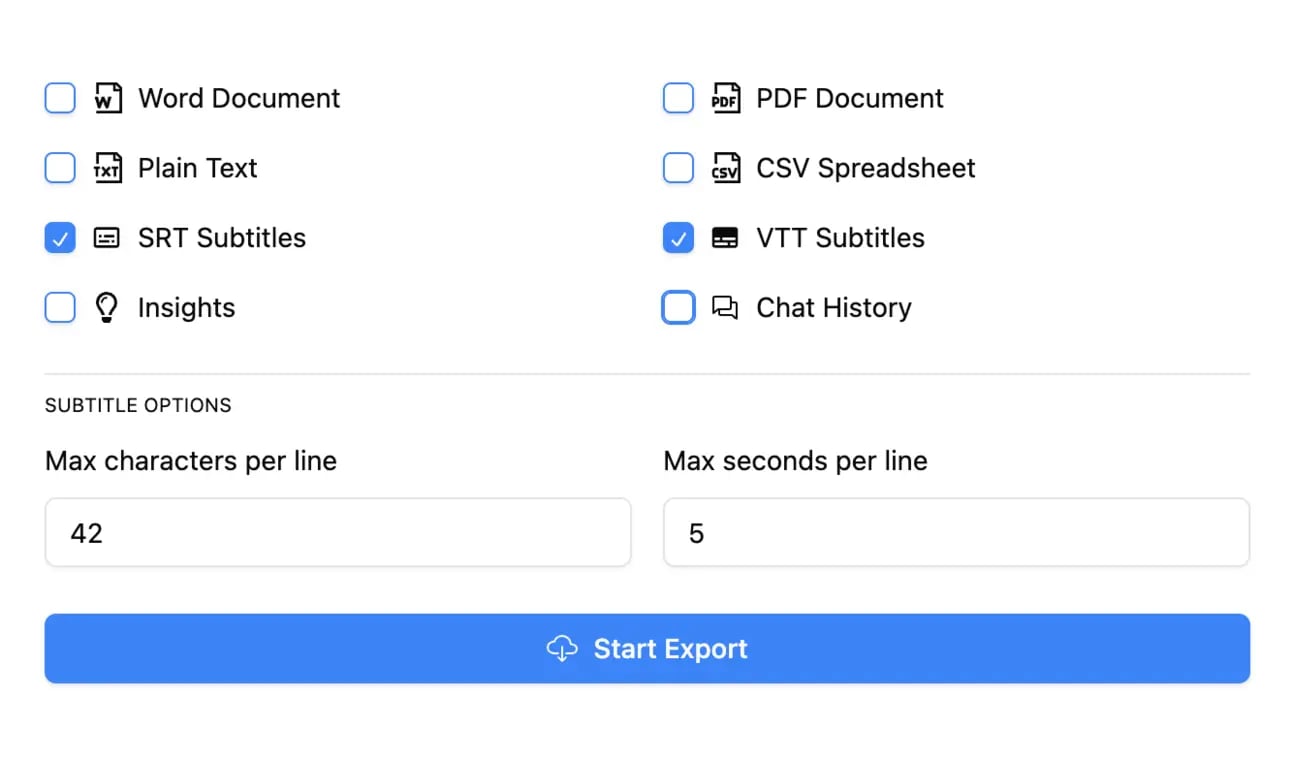
Export in multiple formats
Export your transcripts in multiple formats including TXT, DOCX, PDF, SRT, and VTT with customizable formatting options.
Summaries and Chatbot
Generate summaries & other insights from your transcript, reusable custom prompts and chatbot for your content.
Hybrid Transcription Workflows Are Becoming Standard
Today, many professionals use AI transcription as part of a hybrid workflow, where AI is used for the bulk of the work, such as generating a draft, while human editing is used for fine-tuning the transcript for accuracy.
That same obsession with precision is vital in other fields, too.
- Legal Professionals: A law firm needs a perfect, word-for-word record of a deposition. They use verbatim human transcription to capture every single word, pause, and stutter, creating an official document that holds up in court.
- Academic Researchers: An ethnographer studying rural Spanish communities might have dozens of hours of interviews. A searchable transcript lets them instantly spot themes, analyze language patterns, and pull direct quotes to back up their findings.
Unlocking Value in All Kinds of Content
The uses are incredibly diverse. Even language learners get in on the action by transcribing engaging Spanish stories, turning spoken narratives into written material that helps them study.
The bottom line is this: transcription turns your audio from a passive file into an active asset. It makes your spoken content searchable, shareable, and easy to repurpose, giving you a much better return on your effort.
Whether you're creating content, reporting the news, or digging into research, transcription is the key that unlocks all the valuable information trapped in your audio files. It’s a direct, practical fix for a lot of common professional headaches.
If you're a content creator, you'll definitely want to check out our guide on using transcription to boost your content creation workflow.
How to Choose the Right Transcription Service
Picking a Spanish transcription service can feel like a minefield. With so many options out there, how do you find one that actually fits your workflow without causing more headaches? It's not just about the cheapest or fastest—it's about finding the right tool for the job.
Choosing a Transcription Tool Is About Workflow
There are different transcription services that are best suited for different use cases. Some may be optimized for speed and efficiency, while others may be optimized for precision and accuracy. The key to selecting the right service for you is to understand how it fits into your workflow.
Before you pull the trigger, think of it like creating your own buyer's guide. First, nail down the basics. Does the service handle common file types like MP3, M4A, and MP4 without a fuss? And how easy is it to get your files in? You want to look for simple integrations with platforms you’re already using, like direct uploads from YouTube, Google Drive, or Dropbox. A smooth workflow saves you real time.
Once you’ve sorted the technicals, the next piece of the puzzle is privacy. Honestly, this should be a deal-breaker, especially if you’re working with sensitive recordings.
Prioritizing Your Privacy and Security
Here’s a hard truth: not all transcription services have your best interests at heart. Many free or cheap tools come with a hidden cost—they use your data to train their AI models. For a personal voice memo, maybe that’s fine. But for confidential business meetings, legal depositions, or private therapy sessions? That’s a massive security risk.
Your data should never be the product. Always hunt for a service that has a strict "no-training on user data" policy. It’s the only way to guarantee your files are processed securely and your privacy is respected from start to finish.
A transparent privacy policy is your best friend here. Before you upload a single file, spend two minutes reading their terms. If a company is vague about how it handles your data, consider it a huge red flag and walk away.
Introducing Transcript.LOL: A Modern AI Solution
Once you've got your checklist—flexible file support, easy integrations, and a rock-solid privacy policy—you can start looking at specific tools. This is where a modern AI solution like Transcript.LOL really stands out, hitting that sweet spot of accuracy, speed, and security.
The process is designed to be dead simple. Just look at how clean the interface is for getting started.
As you can see, you can drag and drop files or import them from various sources with a couple of clicks. We designed it to remove technical roadblocks so you can get to your finished transcript faster.
Under the hood, Transcript.LOL is powered by OpenAI's Whisper technology, which delivers impressive accuracy for Spanish audio—even navigating different dialects when the recording is clear. The built-in integrations mean you can pull in content from anywhere, and our firm commitment to privacy means your data stays yours. Period.
While a human transcriber is still the gold standard for court-ready documents or audio with heavy background noise, Transcript.LOL gives you a fast, affordable, and secure alternative for most everyday needs. It’s the perfect tool for creators, researchers, and businesses who need reliable results without the high price tag or long turnaround times. For a deeper dive, our guide on understanding transcription services cost breaks it all down.
Common Questions About Spanish Transcription
Even after you’ve decided on a path forward, a few questions always pop up about how transcription services spanish actually perform in the real world. Let’s tackle some of the most common ones head-on so you can get the best results for your project.
How Accurate Is AI for Spanish With Different Accents?
AI has gotten really good with Spanish. Modern engines like OpenAI's Whisper—which is what powers Transcript.LOL—are trained on massive, diverse datasets covering a huge range of global accents. For clear audio from a quiet environment, you can easily expect 95% accuracy or higher, which is more than enough for most people.
But let's be realistic. Accuracy will take a hit if the audio is full of heavy regional slang or drowned out by background noise. For mission-critical content or truly challenging recordings, a great strategy is to use the AI transcript as a first draft and then have a human give it a final polish.
The fastest way to boost accuracy, regardless of the service you choose, is to start with high-quality audio. A clear recording from a good microphone is the single biggest factor in getting a great transcript.
Can I Transcribe a Video With Multiple Spanish Speakers?
Yes, absolutely. This is a standard feature for any serious transcription service. Platforms like Transcript.LOL handle this with something called speaker detection (or diarization).
The AI automatically figures out when a new person starts talking and labels their dialogue (e.g., "Speaker 1," "Speaker 2"). This is a total game-changer for transcribing:
- Interviews: Instantly see the back-and-forth between the host and guest.
- Team Meetings: Know exactly who said what and assign action items with confidence.
- Podcasts with Co-hosts: Keep the conversation organized and easy for your audience to follow.
Once the transcript is done, you can hop into the editor and replace the generic "Speaker 1" labels with the actual names. Simple.
Is It Safe to Upload Confidential Audio Files?
This is a huge deal, and the answer comes down to the provider’s privacy policy. You should make security your top priority. Some free or bargain-bin services might use your files to train their AI models, which is a massive privacy risk you don't want to take.
Look for a premium service with a strict "no-training on user data" policy. This is your guarantee that your files are processed securely and deleted from their servers once the job is done. Always take a minute to read the privacy policy before uploading sensitive legal, medical, or corporate files.
What Is the Fastest Way to Get a Spanish Transcript?
When you need it now, nothing beats AI. A platform like Transcript.LOL can take an hour-long audio file and turn it into a full written transcript in just a few minutes. That's it.
Human services, while great for complex audio, just can't compete on speed. Their turnaround times usually range from a few hours to a couple of days. For immediate results and pure efficiency, AI is the clear winner.
Ready to get fast, accurate, and secure Spanish transcripts in minutes? Transcript.LOL uses the power of AI to turn your audio and video into editable text, complete with speaker detection and flexible export options. Try it for free today and see how easy transcription can be.