Decoding Transcription Service Cost How to Get the Best V...
Understand transcription service cost with our guide. We break down AI vs. human pricing and show you how to choose the right service without overspending.
Kate, Praveen
January 31, 2026
When you're looking to get audio or video transcribed, the first question is always the same: "How much is this going to cost?"
The short answer? It can range from as little as $0.10 per minute for AI all the way up to $2.00 or more per minute for human services. The final price tag really boils down to what you need—how accurate, how fast, and how complex your audio is.
📘 What Really Impacts Your Cost?
Transcription pricing isn’t one-size-fits-all. Accuracy expectations, turnaround time, and audio clarity directly influence what you pay. Understanding these factors upfront helps you avoid surprises and choose the most cost-effective option.
For most day-to-day needs, AI transcription is a fantastic, budget-friendly choice. But for high-stakes projects where nuance is everything, a human expert is often worth the investment.
Answering Your Core Question: How Much Does Transcription Cost?
Let’s cut to the chase. The cost of getting a transcript hinges almost entirely on one big decision: are you using an automated AI service or a human professional?
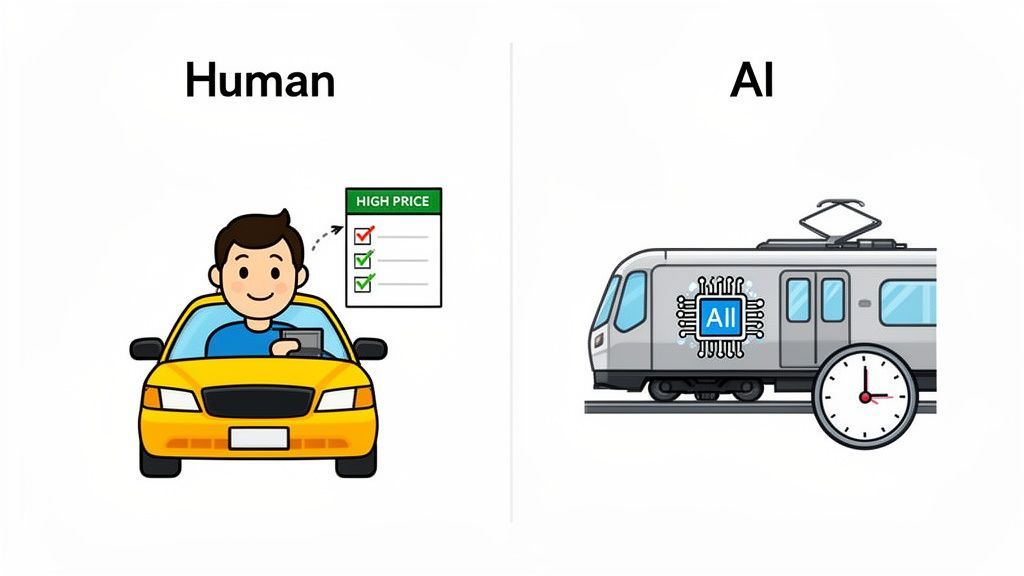
Think of it like getting across town. A human service is like a private car—it's precise, handles tricky routes with ease, and offers a premium, tailored experience for a higher price. An AI service is like the subway—it's incredibly fast, super affordable, and gets you where you need to go efficiently.
Your choice here directly shapes your budget, how quickly you get your files back, and the final quality of the transcript. Getting this distinction is the first step to figuring out what you'll spend.
AI vs. Human: The Two Paths of Transcription Pricing
AI transcription platforms, like Transcript.LOL, use powerful algorithms to turn speech into text in a matter of minutes. This automation is what makes them so affordable, with pricing that’s often just a few cents per minute. It's the perfect solution for podcasters, marketers, students, and researchers who need fast, searchable transcripts from reasonably clear audio.
⚡ Built for Speed and Simplicity
State-of-the-art AI
Powered by OpenAI's Whisper for industry-leading accuracy. Support for custom vocabularies, up to 10 hours long files, and ultra fast results.

Import from multiple sources
Import audio and video files from various sources including direct upload, Google Drive, Dropbox, URLs, Zoom, and more.
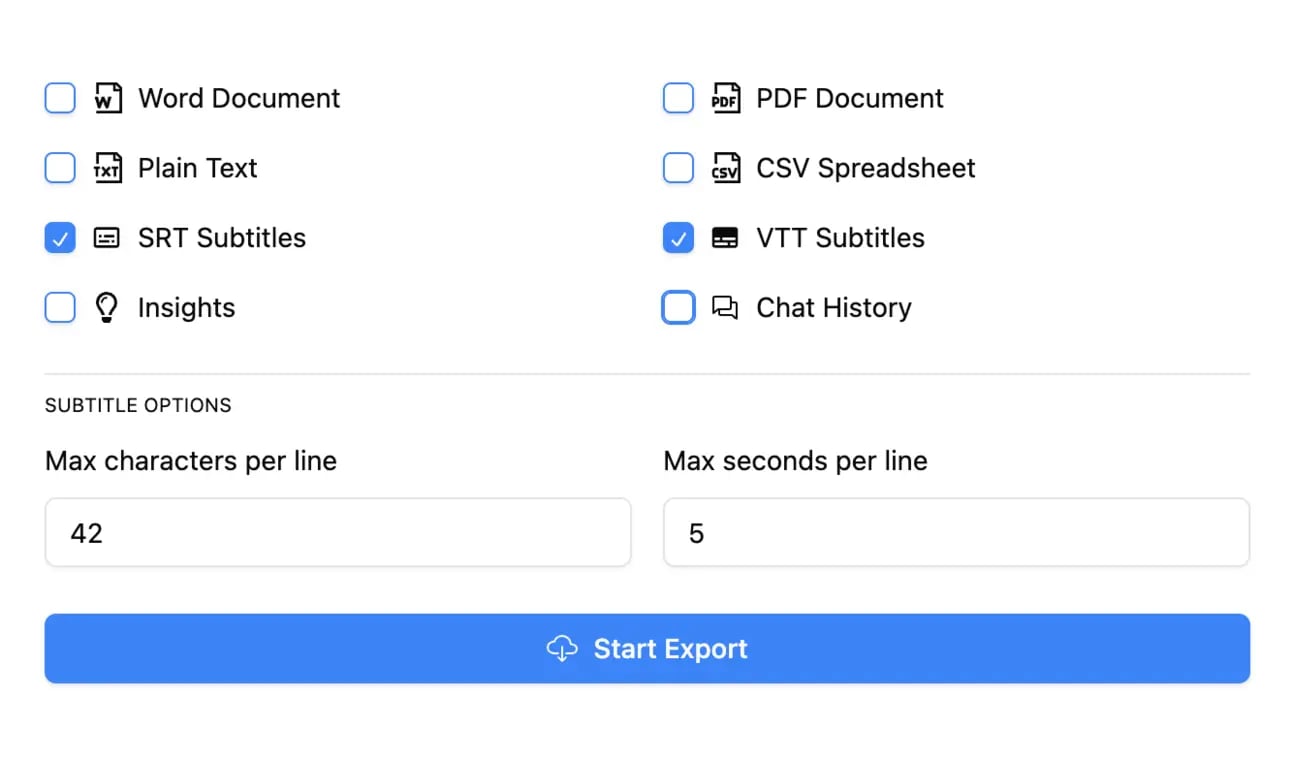
Export in multiple formats
Export your transcripts in multiple formats including TXT, DOCX, PDF, SRT, and VTT with customizable formatting options.
Human transcription, on the other hand, is exactly what it sounds like—a person listens to your audio and types it out by hand. This approach is fantastic for navigating tricky audio with heavy accents, multiple people talking at once, or poor sound quality. That human touch comes at a higher price and, naturally, takes a bit longer. When you're weighing your options, it's helpful to compare different service price ranges to see how they stack up.
This chart gives you a quick visual breakdown of how these two approaches compare.
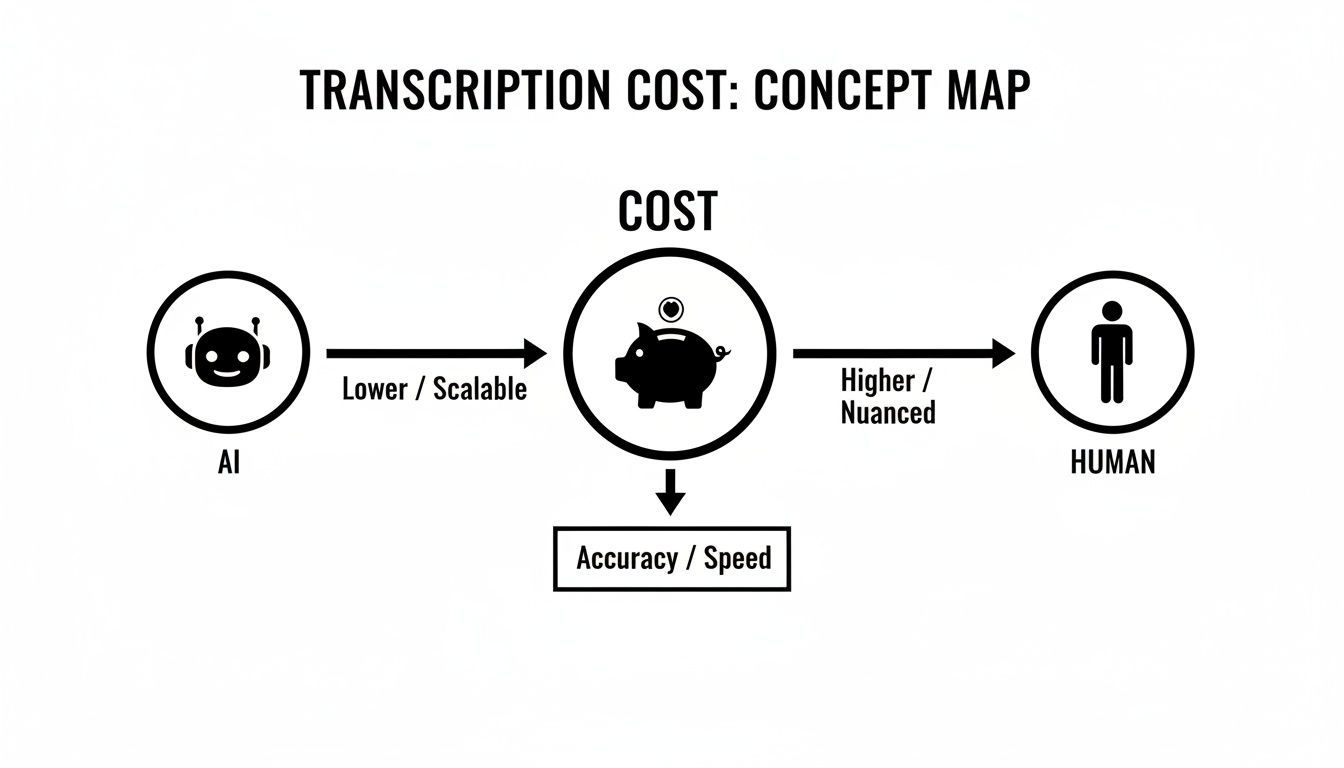
The key takeaway is pretty clear: AI delivers predictable, low costs that scale beautifully, while human services start at a higher base price that can climb depending on the audio's complexity.
Key Takeaway: The single biggest factor determining transcription service cost is whether you choose an automated AI or a manual human service. AI offers speed and affordability, while humans provide expertise for complex audio at a premium.
To make the choice even clearer, here’s a quick table comparing the two.
AI vs. Human Transcription: A Quick Cost and Feature Comparison
This table gives you a simple, at-a-glance look at the main differences between AI and human services, helping you decide which is the right fit for your project and your wallet.
| Feature | AI Transcription (e.g., Transcript.LOL) | Human Transcription |
|---|---|---|
| Price Per Minute | Typically $0.10 - $0.25 | Typically $1.00 - $2.50+ |
| Accuracy | Up to 99% on clear audio | 99%+ with skilled transcribers |
| Turnaround Time | Minutes | 24-48 hours or longer |
| Best For | Podcasts, interviews, meetings, content creation | Legal depositions, medical records, nuanced audio |
Ultimately, the right choice depends on your specific needs. If you're looking for an AI solution that's fast, accurate, and incredibly cost-effective, you can see a full breakdown on our pricing page here: https://transcript.lol/pricing.
Choosing Your Pricing Model: Pay-Per-Use vs. Subscription
Once you've landed on AI or human transcription, the next big decision is the payment model. This choice is crucial—it directly impacts your final cost and can be the difference between a great deal and a surprisingly high bill. Most services funnel you into one of two camps: pay-per-use or a recurring subscription.
Think of it like getting your daily coffee. You can grab a single cup whenever you feel like it, or you can get a monthly membership for unlimited refills. Both get you caffeinated, but the smarter financial move depends entirely on how much you drink.
The Pay-Per-Use Model: A Cup at a Time
The pay-per-use model, usually billed per minute or per hour of audio, is your "pay-per-cup" option. You only pay for exactly what you need, right when you need it. This gives you total flexibility, making it a perfect fit for one-off projects or if you only need transcripts once in a blue moon.
This model is your best bet if you:
- Have a single, high-stakes project, like transcribing a keynote speech.
- Only need transcripts a few times a year for things like client interviews.
- Want to test-drive a few different services before committing.
The big win here is control. No recurring fees, no unused allowances. The catch? If your transcription needs suddenly ramp up, those per-minute costs can stack up fast without the bulk discounts you get with a subscription.
The Subscription Model: All You Can Transcribe
On the flip side, a subscription is your "all-you-can-drink" membership. You pay a flat monthly or annual fee for a set amount of transcription minutes, which almost always means a much lower per-minute rate. For anyone with regular, predictable needs, this is easily the most cost-effective path.
For creators and businesses with a steady stream of audio—weekly podcasts, daily team meetings, ongoing video marketing—a subscription consistently delivers better long-term value. It smooths out a variable expense into a predictable, budget-friendly line item.
Take a podcaster who drops two one-hour episodes every week. Paying per minute for each file would get expensive quickly, but a subscription makes it far more manageable. This predictable billing and lower cost per minute is why subscriptions have become so popular, fueling the industry's growth.
The global transcription market was valued at $21.01 billion in 2022 and is projected to smash $35.8 billion by 2032. A huge part of that growth comes from the explosion of AI solutions, which are expanding at a 15.6% CAGR as more businesses and creators bake them into their daily workflows.
Making the Right Choice for Your Budget
So, which is right for you? It all comes down to your usage. If you find yourself transcribing more than a few hours of audio each month, it's time to seriously look at a subscription.
Platforms like Transcript.LOL are built for this, offering tiered plans that scale with your needs, from solo creators to entire enterprise teams. These plans give you a clear, simple way to manage your transcription costs. If you want to see how this works in practice, check out our deep dive on finding unlimited transcription services. By matching your workflow to the right plan, you get the best possible value without ever paying for minutes you don’t use.
How Smart Transcription Saves You Money?
Predictable Costs
Flat pricing or subscriptions remove surprise bills and make budgeting easier. You always know what you’ll spend each month. No hidden fees.
Faster Turnaround
Instant AI processing eliminates waiting days for transcripts. Quick access means projects move forward without delays.
Better Productivity
Searchable text, summaries, and exports reduce manual work. Teams spend less time typing and more time creating.
Scalable for Growth
Whether you transcribe one file or hundreds, the system grows with you. No need to switch services later.
The Hidden Factors That Drive Up Your Final Bill
Ever submitted two audio files of the exact same length, only to get back two wildly different price quotes? It’s a common frustration, and it leaves a lot of people scratching their heads. The reality is, not all audio is created equal.
Think of it like hiring a contractor to paint a room. A clean, empty room with smooth walls is a straightforward job. But if they have to spend hours patching holes, moving furniture, and taping around complex trim, the final bill is going to be much higher. Your audio’s "condition" works the same way.
Poor Audio Quality: The Static Surcharge
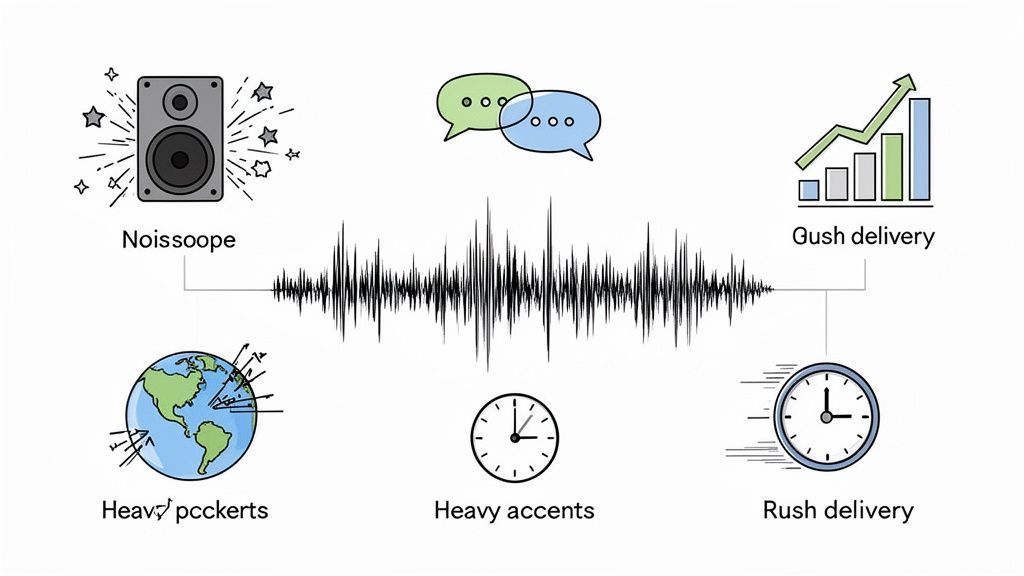
The single biggest thing that inflates a transcription bill is poor audio quality. When a recording is full of background noise, static, echoes, or the volume is just too low, it becomes a nightmare for anyone—human or AI—to figure out what’s being said.
A human transcriber has to stop, rewind, and listen to the same muffled section over and over again. All that extra time and effort gets passed directly to you, with many services tacking on surcharges of 20% to 50% or more for tricky audio. Even for an AI, bad audio means more processing and a higher chance of spitting out gibberish that you'll have to fix yourself.
⚠️ Poor Audio = Higher Costs
Background noise, echoes, and overlapping voices dramatically reduce accuracy. This often leads to extra editing time or higher service charges. Recording clean audio upfront is the easiest way to protect your budget.
Pro Tip: The easiest way to keep your transcription costs down is to record in a quiet room with a decent microphone. A few minutes of prep before you hit record can literally save you a ton of money.
This is where modern AI models really pull ahead. The engine powering Transcript.LOL, for example, was trained on a massive amount of real-world internet audio—not just pristine studio recordings. That training makes it incredibly good at filtering out background noise and understanding less-than-perfect files, giving you a much more predictable cost.
The Crosstalk Conundrum: Multiple Speakers and Accents
Another huge factor is who's talking and how they're talking. A simple one-on-one interview is pretty easy to transcribe. But a lively five-person roundtable discussion? That's a different beast entirely, especially when you have crosstalk—people talking over each other.
For a human, untangling those overlapping voices is a painstaking process that will absolutely drive up your per-minute rate. For an AI, the challenge is correctly identifying and labeling who said what (a process called speaker diarization), though the best platforms are getting much better at this.
A few other common culprits that add complexity:
- Heavy Accents: While today's AI is surprisingly good with diverse accents, very thick or uncommon dialects can still cause trouble. With human services, you might even need a specialist who charges a premium.
- Technical Jargon: Is your audio packed with industry-specific acronyms, technical terms, or unique brand names? A human transcriber has to stop and research those terms, which slows them down.
- Verbatim Needs: If you need a transcript that captures every single "um," "uh," stutter, and false start, get ready to pay more. That level of detail requires intense focus and takes way more time to produce.
This is an area where a feature like custom vocabulary can be a total game-changer. By giving Transcript.LOL a list of your unique names, acronyms, or terms beforehand, you essentially teach the AI your language. It boosts accuracy like crazy and saves you from a mountain of manual corrections later.
The Rush Fee: The Price of Speed
Finally, your deadline has a huge say in the final price. The standard turnaround for most human services is somewhere between 24 and 48 hours. Need it back in three hours? You’re going to pay a hefty rush fee.
And those fees can be serious, sometimes doubling the base price. It’s simple supply and demand—you’re paying for a transcriber to drop everything else and make your job the top priority.
This is where AI transcription delivers its biggest knockout punch. AI platforms like Transcript.LOL don’t sleep, take breaks, or have a queue of other projects. They can process your audio in a fraction of the time it takes to listen to it, turning around a transcript in minutes, not days.
Designed for Team Workflows
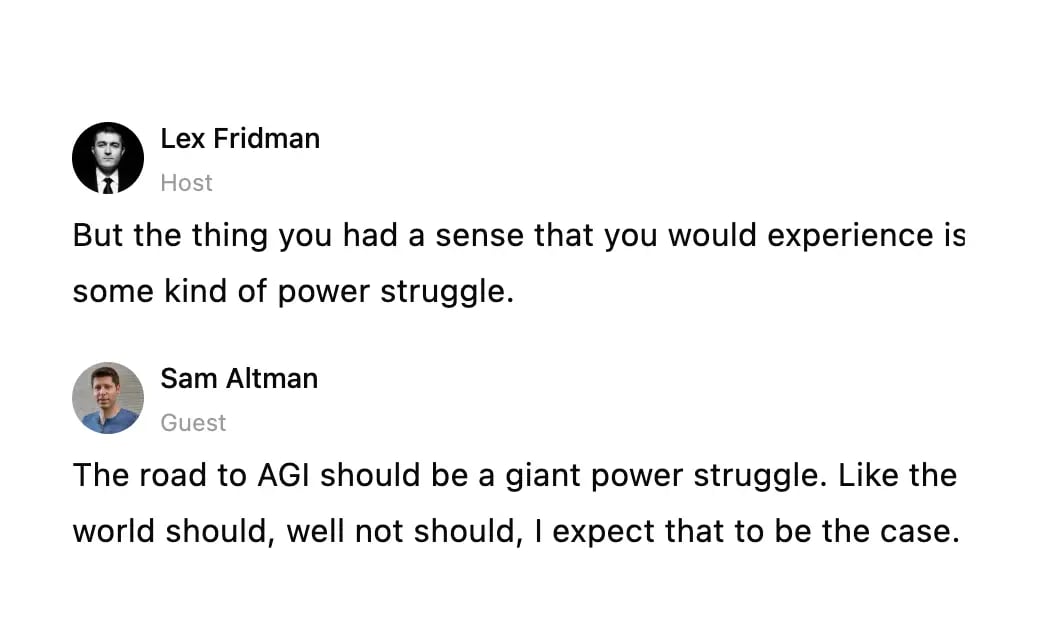
Speaker detection
Automatically identify different speakers in your recordings and label them with their names.
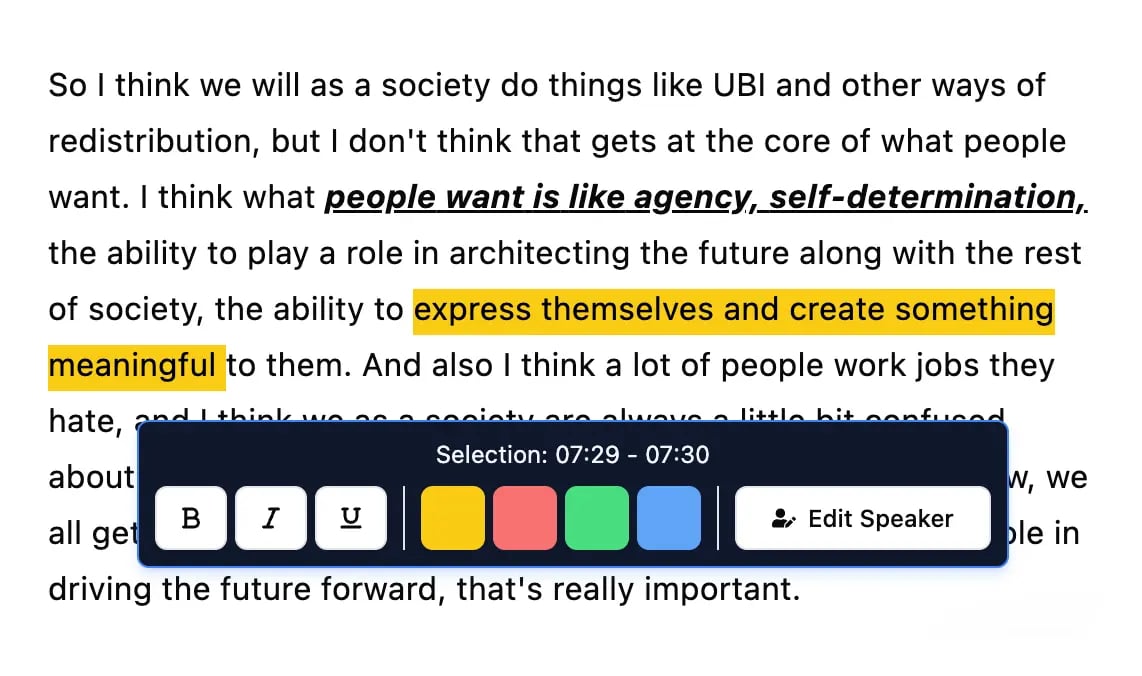
Editing tools
Edit transcripts with powerful tools including find & replace, speaker assignment, rich text formats, and highlighting.
Summaries and Chatbot
Generate summaries & other insights from your transcript, reusable custom prompts and chatbot for your content.
Integrations
Connect with your favorite tools and platforms to streamline your transcription workflow.
Essentially, "rush" delivery is the default, and there's no extra charge. For anyone working on a tight deadline, this built-in speed isn't just a convenience; it's a massive financial advantage that makes rush fees a thing of the past.
It's a lot to keep in mind, but understanding these factors can help you anticipate your final bill. Here’s a quick breakdown of how these different elements can impact your cost per minute.
How Different Factors Impact Transcription Costs
This table illustrates how various audio and project characteristics can increase the cost per minute for transcription services, helping you understand and mitigate potential expenses.
| Cost Driver | Low Impact (Base Rate) | Medium Impact (+20-50%) | High Impact (+50-100% or more) |
|---|---|---|---|
| Audio Quality | Clear audio, one speaker, no background noise. | Moderate background noise, slight echo, soft voices. | Heavy background noise, crosstalk, very low volume. |
| Number of Speakers | 1-2 speakers, clear turn-taking. | 3-4 speakers, some crosstalk. | 5+ speakers, constant overlapping conversation. |
| Accents | Standard, clear accents. | Moderate, non-native accents. | Very thick or diverse accents requiring a specialist. |
| Terminology | Everyday conversational language. | Some industry-specific jargon or acronyms. | Highly technical medical, legal, or scientific content. |
| Turnaround Time | Standard delivery (24-48 hours). | Expedited delivery (12-24 hours). | Rush delivery (under 12 hours). |
| Verbatim Level | Clean verbatim (removes "ums," "uhs"). | Standard verbatim (includes fillers). | Strict verbatim (includes every sound, stutter, etc.). |
As you can see, a project that starts at a simple base rate can quickly double in price if it involves poor audio, multiple speakers, and a tight deadline. By controlling the factors you can—like recording quality—and choosing the right tool for the job, you can keep your costs predictable and avoid any nasty surprises on the final invoice.
Seeing the Costs in Action: Real-World Scenarios
Pricing models and per-minute rates can feel a bit abstract. Let's ground this in reality. The best way to understand the trade-offs is to see how the numbers play out for actual projects.
We'll walk through four common situations, each with different needs, and see what the final bill looks like with a traditional human service versus a modern AI platform. These examples make it clear how things like file formats, privacy, and team features can dramatically change the total cost.
Scenario 1: The Podcaster
Meet Alex, who hosts a weekly 60-minute interview show. Alex needs transcripts for two main things: creating detailed show notes and making SRT files for video clips to post on social media. That comes out to about 240 minutes of audio every month.
- Human Service Cost: At a pretty standard rate of $1.25 per minute, Alex is looking at a $300 monthly bill (240 mins x $1.25). And that’s before any extra fees for SRT formatting, which some services tack on.
- AI Service Cost (Transcript.LOL): On a simple subscription plan, Alex could get all 240 minutes transcribed for less than $30 a month. Platforms like Transcript.LOL roll SRT and VTT exports into the package for free, saving a ton of money and streamlining the entire workflow.
Scenario 2: The Marketing Team
Next up is a corporate marketing team. They run two 90-minute webinars each month and want to slice up that content for blog posts, social media, and internal training. They’re transcribing 180 minutes of content, and a team of five people needs to access the files.
For them, collaboration and security are huge. They need a shared space where everyone can jump in, edit, and export transcripts without a hassle.
- Human Service Cost: A typical corporate rate is around $1.50 per minute, putting their monthly cost at $270. This old-school model rarely includes team features, which means they’re stuck with messy email threads and no clear version control.
- AI Service Cost (Transcript.LOL): A team plan covers their needs for a flat, predictable fee. Features like shared folders and user management are built right in, making their content engine run smoother while keeping sensitive company info locked down.
Scenario 3: The PhD Student
Now, let's look at Sarah, a PhD student who needs to analyze 15 hours (900 minutes) of sensitive research interviews. She’s on a tight academic budget and needs three things: solid accuracy, low cost, and total privacy for her participants.
For researchers, privacy isn't just a nice-to-have—it's an ethical and institutional mandate. Using a service that trains its models on your data can be a major breach of confidentiality, making a strict no-training policy essential.
- Human Service Cost: Even with a discounted academic rate of $1.00 per minute, transcribing 900 minutes would still set her back $900. That’s a massive chunk of a typical research grant.
- AI Service Cost (Transcript.LOL): Sarah can get all 900 minutes done for a tiny fraction of that price. More importantly, choosing a platform with a strict no-training privacy policy, like Transcript.LOL, guarantees her sensitive data stays private and isn't used to train AI models. The ability to upload long files also means she doesn't have to waste time chopping up her interviews.
Scenario 4: The Paralegal
Finally, there’s a paralegal transcribing a four-hour (240 minutes) deposition. The audio is clear, but it’s packed with dense legal jargon. The law firm needs a super accurate, searchable document to help them prepare their case.
- Human Service Cost: With specialized legal content, a human service would charge a premium—think $2.00 per minute. That's a $480 bill for just one deposition.
- AI Service Cost (Transcript.LOL): This is where an AI platform with a custom vocabulary feature is a total game-changer. The paralegal can upload a list of case-specific names, places, and legal terms beforehand to achieve near-human accuracy for a sliver of the cost. The transcript is ready in minutes, not days, and is perfectly searchable.
This growing need for accurate documentation is why the U.S. transcription services market is projected to hit $41.93 billion by 2030, according to Grand View Research, with healthcare, legal, and media leading the charge.
For a deeper dive into video-specific workflows, check out our guide on finding the best transcription software for video.
When Paying a Premium for Human Transcription Makes Sense
AI transcription is a powerhouse for speed and value, but it isn’t the right tool for every single job. There are high-stakes situations where the higher transcription service cost of a human professional isn’t just a nice-to-have—it’s a non-negotiable investment.
Think of it this way: for jotting down quick notes, a text message works perfectly. But for a legally binding contract? You call a lawyer to make sure every last word is precise and legally sound. The same logic applies to transcription.
High-Stakes Scenarios Demanding Human Precision
Some fields operate with absolutely zero margin for error. A single misplaced word could trigger serious legal, financial, or medical fallout. In these cases, paying a premium for a certified human transcriber is simply the cost of doing business.
These scenarios usually include:
- Official Court Proceedings: Transcripts for depositions, hearings, and trials need to be certified as 100% accurate for the legal record. One mistake could jeopardize an entire case.
- Medical Documentation: Patient records, clinical notes, and medical-legal reports demand total precision for patient safety and regulatory compliance.
- Law Enforcement Interrogations: These are verbatim records used as critical evidence, where every pause, stutter, and nuance can be significant.
- Certified Translations: When a transcript has to be both transcribed and translated for official use, human experts are essential to capture crucial cultural and linguistic subtleties.
The cost of a mistake in these fields—a malpractice suit, a mistrial, or a massive compliance penalty—dwarfs the savings you'd get from using a tool not built for that specific, rigorous purpose.
The medical transcription industry is a perfect example. It’s on track to become a $173.14 billion market by 2031, growing at an 11.44% compound annual rate. That incredible growth is fueled by healthcare’s deep reliance on domain experts for compliance-heavy work where errors are not an option. You can see the full story in this detailed market report.
Bridging the Gap with Secure AI
Even in these highly sensitive fields, AI is carving out a powerful role. While it might not replace the final human certification, a secure AI platform can act as an incredibly efficient first-pass tool.
For instance, a paralegal can use Transcript.LOL to get an instant, highly accurate draft of a deposition. With features like custom vocabulary for legal jargon and a strict no-training data policy that keeps everything confidential, they can produce a reliable working document in minutes.
This lets them start their analysis immediately, saving the firm time and money before sending the file off for final human verification. You can learn more about how security is critical in our guide to HIPAA-compliant transcription services.
Practical Ways to Lower Your Transcription Costs Today
Knowing how transcription pricing works is one thing, but actually shrinking your bill is where the magic happens. The good news? You have more control over your final transcription service cost than you might realize. A few simple tweaks to how you record and submit your audio can slash your spending without compromising on quality.
Think of it like getting better gas mileage. Small habits like keeping your tires properly inflated and avoiding aggressive driving lead to big savings over time. The same idea applies here—a little prep work goes a long way.
Start with High-Quality Audio
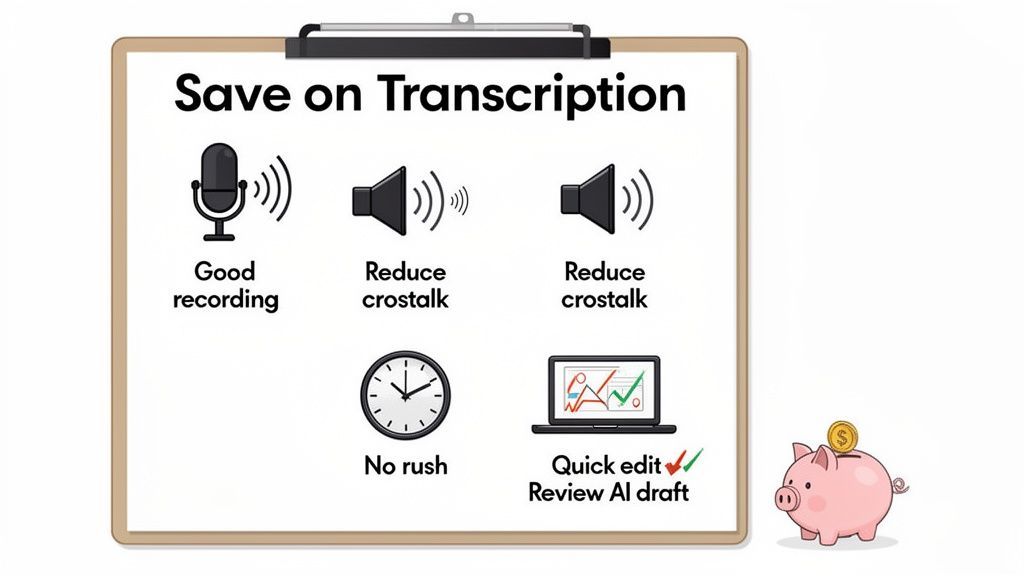
The single biggest thing you can do to lower your costs is to provide the cleanest audio possible. Background noise from a coffee shop, echoes from a big empty room, or speakers who are too far from the mic—all of it forces both AI and human transcribers to work harder. That extra effort often translates into surcharges or, worse, inaccurate transcripts you have to waste time fixing.
Here’s a quick checklist to get better audio:
- Use a Decent Microphone: Even an affordable external mic is a massive improvement over the one built into your laptop.
- Record in a Quiet Space: Find a small room with soft surfaces, like carpets or curtains. They do wonders to absorb echo and kill background noise.
- Minimize Speaker Crosstalk: In meetings or interviews, encourage people to speak one at a time. When voices overlap, it’s a recipe for errors and higher fees.
Nailing these simple steps makes your audio file much easier to process, which means you get faster, more accurate, and cheaper transcripts.
Be Smart About Your Workflow
Beyond the quality of your audio, a few strategic moves in how you manage your projects can lead to some serious savings. Rushing jobs or creating extra work almost always costs more.
The most cost-effective approach usually involves letting AI do the initial heavy lifting, followed by a quick final review from you. This mix of automation and human oversight gets you professional-quality results at a fraction of what a fully manual service would charge.
For instance, instead of paying a premium for a human service just to get subtitles, you could use a platform like Transcript.LOL. It generates a highly accurate AI transcript and lets you export it directly as an SRT or VTT file for free. The built-in editor makes it easy to polish any final details yourself in just a few minutes.
Similarly, try to avoid paying extra for rush delivery unless it’s a true emergency. AI services deliver transcripts in minutes by default, making the whole concept of a "rush fee" obsolete. You can also explore the best software for editing videos, as many now come with affordable, integrated transcription tools. A little bit of planning is a simple but powerful way to keep your transcription service cost down.
Got Questions About Transcription Costs? We've Got Answers.
Even after breaking down the basics, you probably still have a few questions floating around. That's perfectly normal. Let's tackle some of the most common ones we hear from people trying to get the best value.
What's a Good Price Per Minute for Transcription?
Honestly, a "good" price totally depends on what you're buying.
If you're looking at AI transcription, a solid, high-accuracy service should land somewhere between $0.10 and $0.25 per minute. That's the sweet spot for great quality without breaking the bank.
For human transcription, a fair rate for dependable work is usually in the $1.00 to $1.50 per minute range. If you see human services advertised for much less, be a little skeptical—it could be a red flag for poor quality or weak data security.
Is AI Transcription Really Accurate Enough for Professional Work?
For the vast majority of professional needs? Absolutely. Modern AI engines like OpenAI's Whisper, which is what powers Transcript.LOL, consistently hit 95-99% accuracy on clear audio.
That’s more than good enough for marketing content, academic notes, interview logs, and internal meeting summaries.
When it comes to legally binding documents or critical medical records where every single word must , it's still smart to have a human give it a final look. But even then, AI does all the heavy lifting, giving you a powerful, cost-effective first draft.
This hybrid approach—AI first, human review second—is a fantastic way to get the speed and savings of automation while reserving expert eyes for the final, critical polish.
How Can I Test a Service Before Committing to a Plan?
You should never pay for a tool without trying it first. Any reputable platform will offer a free trial or a free plan to let you kick the tires.
For example, Transcript.LOL gives you a free plan to transcribe a set amount of audio or video at no charge. It's the best way to see how the platform handles your actual files.
Pro tip: always upload a file that represents your typical recording quality. That’ll give you a true sense of its performance before you pull out your wallet.
Does It Cost More to Transcribe a Video Than an Audio File?
With modern AI platforms like Transcript.LOL, there’s no price difference at all. The software just pulls the audio track from your video file and processes it exactly like it would an MP3 or WAV. Simple.
Some traditional human-powered services, however, might add a small fee if the video format is clunky or if you need them to note visual cues. It’s always a good idea to ask first to make sure there are no surprises on the final bill.
Ready to see fast, accurate, and affordable transcription in action? Transcript.LOL uses best-in-class AI to deliver high-quality transcripts in minutes.
Sign up for a free trial today and see just how easy it is to turn your audio and video into text.