
10 Knowledge Management Best Practices to Implement in 2025
Discover 10 actionable knowledge management best practices. Improve information sharing, boost productivity, and build a smarter organization today.
Praveen
August 31, 2025
In today's fast-paced business landscape, the most valuable asset isn't just what your team knows, but how effectively that knowledge is shared, retained, and leveraged. Individual expertise, while powerful, often remains siloed, leading to duplicated work, repeated mistakes, and a significant loss of institutional wisdom when team members depart. Without a structured approach, this "brain drain" can quietly undermine productivity and stifle growth. This is where a strategic framework becomes essential.
Effective knowledge management transforms isolated pockets of expertise into a collective, accessible powerhouse. It’s the difference between a team that constantly reinvents the wheel and one that builds upon a foundation of shared, validated insights. By creating systems that encourage collaboration and learning, organizations can drive innovation, improve decision-making, and build a resilient operational backbone. Simply collecting information is not a strategy; true success lies in making that information findable, understandable, and actionable when it's needed most.
Why Knowledge Management Matters?
Knowledge management is not about storing documents—it’s about enabling people to access the right insight at the right moment. When information is structured and shared intentionally, teams move faster, make fewer mistakes, and retain institutional memory even during transitions.
This comprehensive guide moves beyond abstract theory to provide a clear roadmap. We will explore 10 proven knowledge management best practices, each presented with actionable steps and real-world examples to help you implement them effectively. From deploying robust Knowledge Management Systems (KMS) and fostering Communities of Practice (CoP) to conducting After-Action Reviews and implementing formal mentoring programs, you will learn how to build a self-sustaining learning culture. These strategies are designed to help you capture, organize, and utilize your organization's most critical asset: its collective intelligence, creating a sustainable competitive advantage.
How Knowledge Management Creates Impact?
Reduced Knowledge Loss
Prevents critical expertise from disappearing when employees leave by converting individual knowledge into shared assets.
Faster Decision-Making
Teams access validated insights instantly instead of recreating work or relying on guesswork.
Improved Collaboration
Breaks silos and enables cross-functional learning through shared systems and practices.
Scalable Growth
As teams grow, documented knowledge ensures consistency without slowing momentum.
1. Knowledge Management Systems (KMS) Implementation
A core component of any successful knowledge management strategy is the implementation of a dedicated Knowledge Management System (KMS). This involves a structured approach to capturing, organizing, and retrieving an organization's collective intelligence using a centralized digital platform. A well-executed KMS breaks down information silos, streamlines access to critical data, and accelerates decision-making across all departments.
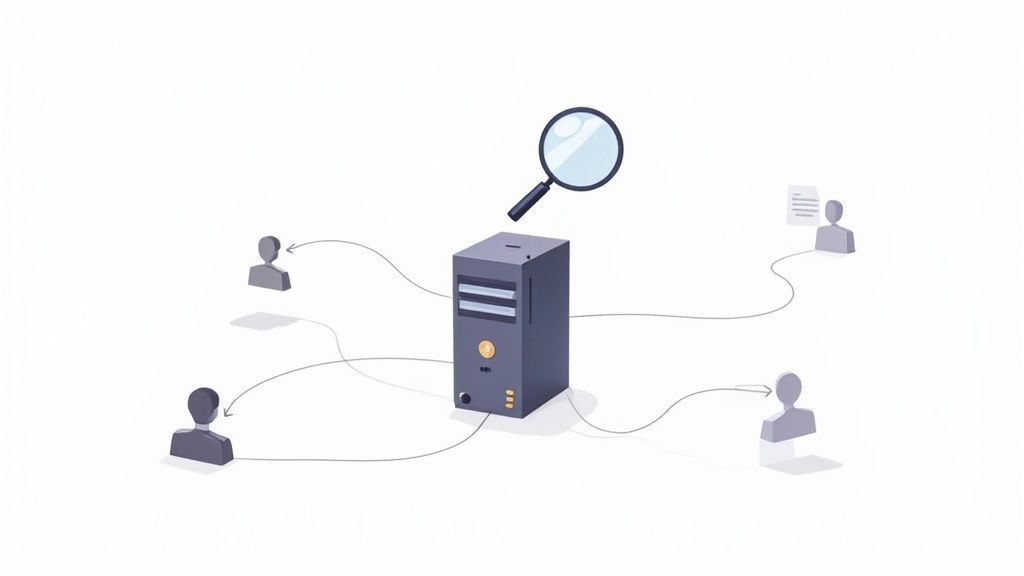
From enterprise-level systems like Microsoft SharePoint used at Fortune 500 companies to more flexible platforms like Confluence and Notion adopted by tech innovators like Atlassian and Figma, a KMS serves as the single source of truth. It prevents the loss of tacit knowledge when employees leave and ensures that valuable insights are preserved and accessible, making it one of the most fundamental knowledge management best practices for modern organizations.
Actionable Implementation Tips
- Start with a Pilot Program: Before a company-wide rollout, test the KMS with a single department or team. This allows you to identify potential issues, gather user feedback, and refine your processes in a controlled environment.
- Establish a Clear Taxonomy: Develop a logical structure with standardized naming conventions for files and folders. A consistent taxonomy is crucial for making information easy to find and preventing the system from becoming a disorganized digital junkyard.
- Assign Ownership: Appoint a dedicated knowledge manager or a small team to oversee the system's health, ensure content quality, and champion user adoption. Their role is to curate information and maintain its relevance.
- Integrate with Performance: Weave KMS usage into daily workflows and performance evaluations. When contributing to the knowledge base is recognized and rewarded, employees are more motivated to participate actively.
Choosing the right platform is critical, and many KMS tools also serve as powerful collaboration hubs. To explore your options further, you can find a comprehensive guide on the best collaboration tools for remote teams.
2. Communities of Practice (CoP)
Fostering Communities of Practice (CoP) is a powerful, people-centric approach to knowledge sharing. CoPs are groups of individuals who share a common passion or profession and come together to learn from one another. This voluntary exchange of experiences and best practices creates a vibrant ecosystem for informal learning, innovation, and problem-solving outside of rigid organizational hierarchies.

Pioneered by theorists Etienne Wenger and Jean Lave, this concept was successfully adopted by organizations like IBM to connect experts across global offices and by The World Bank to unite development professionals. These communities build social capital and trust, making it easier for tacit knowledge-the kind that is difficult to write down-to be shared organically. This makes establishing CoPs one of the most effective knowledge management best practices for nurturing deep expertise and collaboration.
Knowledge Is Moving Beyond Documents
Modern organizations increasingly rely on people-driven knowledge sharing. Communities of Practice enable real-time learning that evolves continuously, rather than static documentation that becomes outdated.
Actionable Implementation Tips
- Appoint a Community Facilitator: Designate a leader to guide discussions, organize events, and maintain momentum. This person acts as a champion for the community, ensuring it remains active and valuable for its members.
- Provide Dedicated Time and Resources: Encourage participation by officially allocating time for CoP activities. Supporting these groups with a budget for meetups or access to collaboration platforms signals organizational commitment.
- Document Key Insights: While CoPs thrive on informal conversation, it's crucial to capture and share key takeaways. Use a wiki, a dedicated chat channel, or a newsletter to document solutions and breakthrough ideas so they benefit the wider organization.
- Recognize and Celebrate Contributions: Acknowledge active members and highlight the community's successes. Celebrating contributions reinforces the value of participation and encourages others to get involved, strengthening the collective knowledge base.
3. Knowledge Capture and Documentation
A systematic process for capturing and documenting knowledge is essential for preventing information loss and ensuring consistency. This practice involves methodically recording explicit knowledge through standard operating procedures (SOPs), case studies, and post-project analyses. By creating a repository of documented wisdom, organizations can preserve critical insights, onboard new team members faster, and ensure operational resilience.
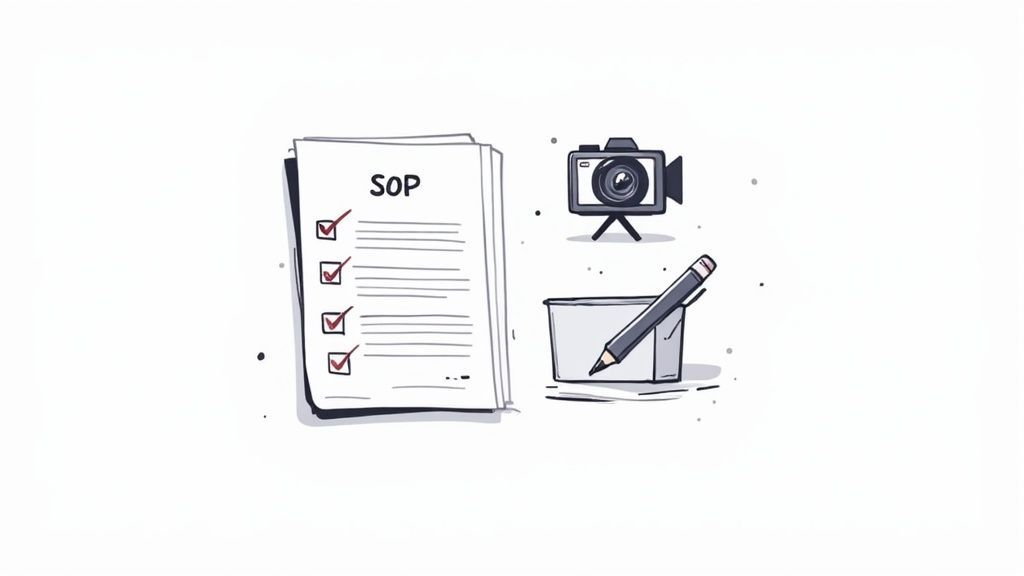
This approach transforms individual expertise into a shared organizational asset. For instance, Toyota’s documented "kaizen" processes empower continuous improvement across the company, while NASA’s rigorous post-mission debriefs and technical documentation turn every project into a learning opportunity. This dedication to documentation is a cornerstone of effective knowledge management best practices, making crucial information accessible long after a project ends or an employee departs.
Actionable Implementation Tips
- Standardize with Templates: Create consistent templates for different types of documentation, such as project retrospectives, SOPs, and case studies. This ensures all necessary information is captured uniformly and makes documents easier to navigate.
- Capture Knowledge Promptly: Document lessons learned and key processes immediately after a project, sprint, or major event concludes. Delaying this process can lead to forgotten details and diluted insights.
- Assign Documentation Ownership: Designate a specific person or team responsible for creating, reviewing, and updating documentation. This accountability prevents documents from becoming outdated and irrelevant.
- Integrate Visual Aids: Enhance text-based documents with diagrams, flowcharts, screenshots, and short video tutorials. Visuals can often explain complex processes more effectively than words alone, improving comprehension and retention. For technical knowledge assets like code, data, and models, implementing rigorous version control is a crucial aspect of knowledge capture, similar to the practice of versioning everything in MLOps.
A key part of knowledge capture often happens during meetings. To ensure these valuable discussions are preserved accurately, you can learn more about how to effectively record meeting minutes.
4. Mentoring and Knowledge Transfer Programs
A powerful method for preserving and sharing organizational wisdom involves establishing formal and informal mentoring programs. This practice creates structured relationships where experienced employees transfer crucial knowledge, skills, and institutional context to their less experienced colleagues. Effective mentoring goes beyond simple training, as it is uniquely suited for transferring tacit knowledge, the unspoken, experience-based insights that are difficult to document.
This approach is a cornerstone of talent development at leading firms. Goldman Sachs, for instance, uses structured mentoring to integrate new hires into its demanding culture, while Google's official mentorship initiatives support career growth and skill development. These programs are a vital component of knowledge management best practices because they build a resilient, interconnected workforce, ensuring that valuable expertise remains within the organization even as personnel changes occur.
Actionable Implementation Tips
- Formalize the Structure: Define clear objectives, roles, and expectations for both mentors and mentees. A structured framework helps ensure that the relationships are productive and aligned with organizational goals.
- Thoughtful Mentor-Mentee Pairing: Match individuals based on skills, career aspirations, and personality. A good match is the foundation of a successful mentoring relationship, so use surveys or interviews to facilitate the best pairings.
- Provide Mentor Training: Equip your mentors with the necessary skills to be effective teachers and guides. Training on active listening, providing constructive feedback, and effective knowledge transfer techniques is essential.
- Establish a Feedback Loop: Implement regular check-ins and surveys to gather feedback from both parties. This allows you to continuously improve the program and address any challenges that arise during the mentorship.
5. After-Action Reviews (AAR) and Retrospectives
A powerful method for converting experience into actionable knowledge is the regular practice of After-Action Reviews (AAR) and Retrospectives. This involves conducting structured debriefing sessions following a project, event, or specific period of work to analyze performance. The goal is to openly discuss what was planned, what actually happened, what went well, and what could be improved, ensuring valuable lessons are captured rather than lost.
Common AAR Pitfall
Skipping documentation after retrospectives results in repeated mistakes. Insights discussed but not recorded quickly fade, eliminating the long-term value of the review process.
This practice, originally formalized by the U.S. Army, is now a cornerstone of agile software development in the form of sprint retrospectives and is used by high-performing organizations like Google. By embedding this reflective cycle into operations, teams create a continuous feedback loop that drives incremental improvement. This formal process for learning from both successes and failures is one of the most effective knowledge management best practices for building a culture of resilience and constant growth.
Actionable Implementation Tips
- Schedule Promptly: Conduct the review within a few days of the project's completion or event conclusion. This ensures memories are fresh and details are accurately recalled by all participants.
- Use a Neutral Facilitator: Assign a facilitator who was not directly involved in the project and has no vested interest in the outcome. This encourages open, honest feedback and keeps the discussion focused on processes, not personalities.
- Focus on Systemic Issues: Steer the conversation away from individual blame. The objective is to identify patterns, process gaps, and systemic challenges that can be addressed to improve future performance for everyone.
- Document Actionable Outcomes: Conclude each session by documenting clear, specific, and actionable recommendations with assigned owners and deadlines. Ensure these findings are shared across relevant teams to multiply the learning.
Systematically applying lessons from AARs not only prevents repeating mistakes but also refines successful strategies, directly impacting future outcomes. For more insights on leveraging team processes, explore this guide on how to improve team productivity.
6. Expert Networks and Knowledge Hubs
A powerful knowledge management best practice is to formally identify and organize subject matter experts (SMEs) within the organization. This approach moves beyond static documents by creating dynamic expert networks and dedicated knowledge hubs, making tacit knowledge accessible through direct consultation and collaboration. This system ensures that deep expertise is not siloed but is instead a shared, on-demand resource for the entire company.
By establishing these centers of excellence, organizations can pinpoint their go-to authorities for specific domains. For instance, Deloitte cultivates service line experts and centers of excellence to provide deep industry insights, while Microsoft leverages its technical communities and Most Valuable Professional (MVP) program to connect engineers with peer-validated specialists. These networks are crucial for solving complex problems, mentoring junior staff, and driving innovation.
Actionable Implementation Tips
- Create Visible Expert Profiles: Develop a searchable internal directory where SMEs have profiles detailing their areas of expertise, project history, and contact information. This makes it easy for employees to find the right person quickly.
- Establish Time for Consultation: Formally allocate a portion of an expert's time for consultation and mentoring. This legitimizes knowledge sharing as part of their role, rather than an interruption to their "real" work.
- Leverage Collaboration Tools: Use platforms like Slack or Microsoft Teams to create dedicated channels or groups where employees can post questions and SMEs can provide answers, creating a searchable archive of expert advice.
- Develop Experts in Critical Areas: Proactively identify knowledge gaps or high-risk areas and invest in developing expertise in those domains. This includes formal training, mentorship programs, and targeted project assignments to build up internal capabilities.
7. Knowledge Audits and Assessments
Before you can manage your organization's knowledge, you must first understand what you have. A knowledge audit is a systematic evaluation of an organization's intellectual assets, identifying what knowledge exists, where it resides, who holds it, and how it flows. This process uncovers critical gaps, redundancies, and information bottlenecks, providing a clear roadmap for your knowledge management strategy.
Conducting regular audits is one of the most strategic knowledge management best practices, as it moves efforts from guesswork to data-driven action. For instance, global energy companies like Shell and BP have used knowledge audits to identify expertise critical for complex engineering projects and mitigate the risk of knowledge loss from a retiring workforce. Similarly, government agencies use audits to map critical dependencies and ensure operational continuity.
Actionable Implementation Tips
- Secure Executive Sponsorship: Gain buy-in from leadership to ensure teams and individuals fully participate in the audit process. Executive support signals the importance of the initiative and helps overcome resistance.
- Use Mixed-Method Data Collection: Combine surveys, one-on-one interviews, and focus groups to gather both quantitative and qualitative data. This provides a more holistic view of your organization's knowledge landscape.
- Map Knowledge to Business Goals: Don't just list assets; connect them directly to key business processes and strategic outcomes. This helps prioritize which knowledge gaps need to be addressed most urgently.
- Visualize the Results: Create knowledge maps or other visual representations to clearly illustrate where knowledge is located, how it moves, and where single points of failure exist. This makes the findings accessible and actionable for stakeholders.
- Schedule Regular Reviews: A knowledge audit is not a one-time event. Plan to conduct follow-up assessments every 1-2 years to track progress, adapt to organizational changes, and ensure your knowledge management practices remain effective.
8. Storytelling and Narrative Knowledge Transfer
Leveraging the power of narrative is a profoundly effective method for transferring complex and tacit knowledge. This approach moves beyond dry data and formal documentation by embedding lessons, values, and experiences within engaging stories. By tapping into human psychology, storytelling makes information more memorable, relatable, and emotionally resonant, ensuring that key insights are not just stored but truly understood and internalized by employees.

This technique is powerful because it adds context and humanity to information. For instance, Pixar's creative teams famously share stories of project failures and breakthroughs to foster a culture of innovation, while Southwest Airlines uses narratives about its founders to reinforce its unique customer service philosophy. Similarly, customer success stories are far more persuasive than product feature lists. This method is a cornerstone of modern knowledge management best practices, transforming abstract concepts into tangible lessons.
Actionable Implementation Tips
- Establish a Story Library: Create a centralized repository, perhaps within your KMS, where employees can submit and access stories. Organize them by theme, department, or the specific lesson they teach, such as "overcoming challenges" or "customer success."
- Train Employees in Storytelling: Not everyone is a natural storyteller. Host workshops or provide resources on how to structure a compelling narrative with a clear beginning, middle, end, and a key takeaway. This empowers everyone to contribute effectively.
- Integrate Stories into Onboarding: Use real employee anecdotes and project histories to introduce new hires to the company's culture, values, and unwritten rules. This is far more impactful than simply handing them an employee manual.
- Promote Authentic Voices: Encourage stories from all levels and departments, not just leadership. A story from a frontline customer service agent about solving a unique problem provides invaluable, practical knowledge that can benefit the entire organization.
9. Collaborative Learning and Knowledge Co-Creation
Shifting from individual knowledge acquisition to collective creation is a hallmark of a mature knowledge management strategy. This approach fosters environments where teams learn together, solve complex problems, and generate new insights through shared inquiry and interaction. Collaborative learning recognizes that the most groundbreaking ideas often emerge from the synthesis of diverse perspectives, not from isolated efforts.
This practice transforms knowledge from a static asset to be managed into a dynamic, living entity that evolves through group processes. Companies like IDEO use design thinking workshops to co-create innovative solutions, while Agile development teams rely on daily standups and retrospectives to build shared understanding and adapt quickly. By making knowledge creation a participatory act, organizations tap into their collective intelligence, leading to more robust and innovative outcomes. This is one of the most dynamic knowledge management best practices for driving organizational growth.
Features That Support Shared Knowledge Creation

Import from multiple sources
Import audio and video files from various sources including direct upload, Google Drive, Dropbox, URLs, Zoom, and more.
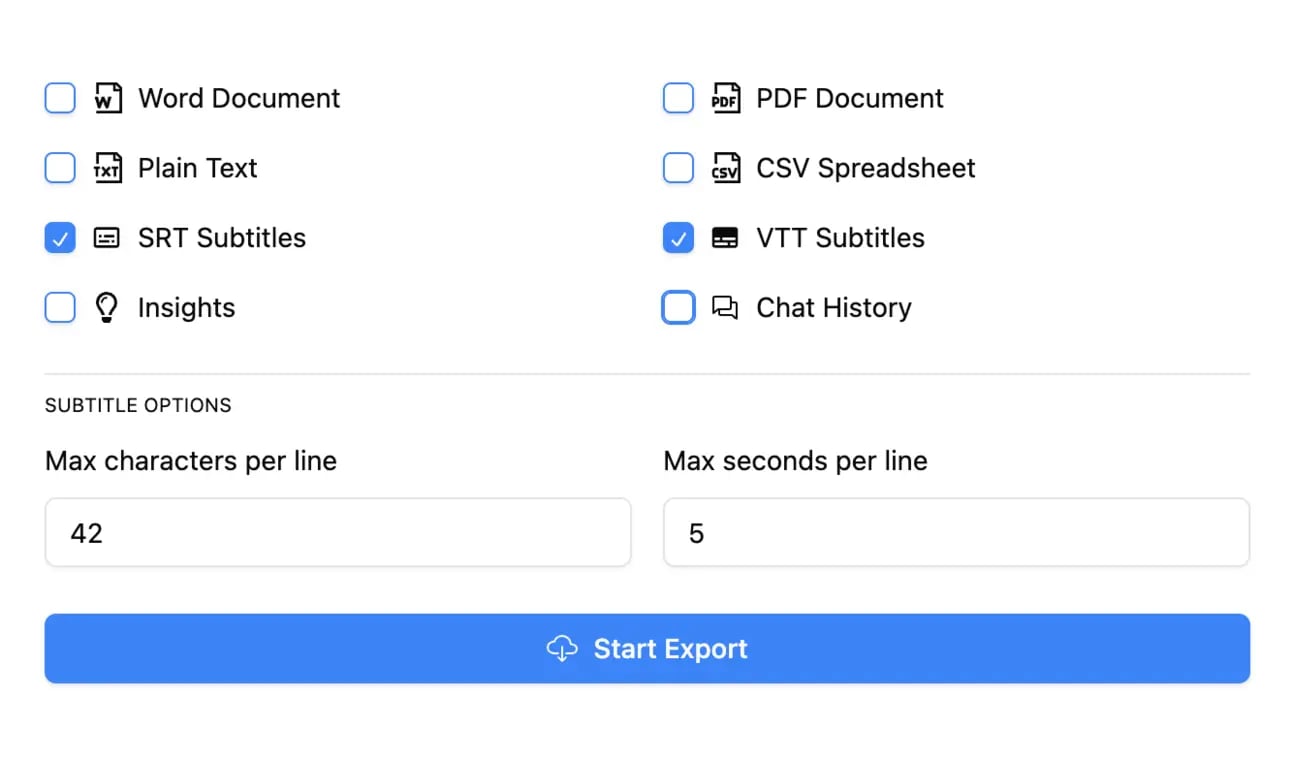
Export in multiple formats
Export your transcripts in multiple formats including TXT, DOCX, PDF, SRT, and VTT with customizable formatting options.
Summaries and Chatbot
Generate summaries & other insights from your transcript, reusable custom prompts and chatbot for your content.
Actionable Implementation Tips
- Create Psychological Safety: Establish clear ground rules that encourage open dialogue, respectful disagreement, and vulnerability. When team members feel safe to share half-formed ideas without fear of judgment, true collaboration can flourish.
- Use Structured Frameworks: Implement proven methodologies like Design Thinking, World Café, or Agile ceremonies to guide collaborative sessions. These frameworks provide a clear process, define roles, and ensure that discussions remain productive and outcome-focused.
- Appoint Neutral Facilitators: For high-stakes or cross-functional collaborations, assign a neutral facilitator. Their role is to manage group dynamics, ensure all voices are heard, and keep the team on track without being biased toward a specific outcome.
- Document and Disseminate Insights: The value of a collaborative session is lost if its outcomes are not captured. Use shared documents, wikis, or your KMS to record key decisions, action items, and newly created knowledge, making it accessible to the wider organization.
10. Continuous Learning Culture and Formal Development Programs
A fundamental element of knowledge management best practices is fostering a culture of continuous learning supported by formal development programs. This involves an organizational-wide commitment to ongoing employee education, skill enhancement, and professional growth. By embedding learning into the company’s DNA, organizations ensure their knowledge base remains current, competitive, and aligned with strategic goals.
This approach transforms knowledge from a static asset into a dynamic, evolving resource. Companies like Google, with its famous "20% time" for personal projects, and Amazon, through its Career Choice program that funds employee education, exemplify this principle. They understand that investing in employee development directly fuels innovation, improves retention, and builds a more resilient and adaptable workforce capable of navigating market changes.
Actionable Implementation Tips
- Align Learning with Business Goals: Design training and development initiatives that directly support key strategic objectives. If the company is expanding into AI, for example, offer courses on machine learning and data science to upskill the existing workforce.
- Offer Diverse Learning Modalities: Cater to different learning styles by providing a mix of options, including online courses, in-person workshops, mentorship programs, and experiential "on-the-job" training. To effectively support this, organizations must carefully evaluate platforms; exploring considerations for Learning Management Systems (LMS) can provide useful guidance.
- Integrate Learning into Performance: Make continuous development a core part of performance reviews and career progression. When learning is tied to advancement, employees see a clear return on their investment of time and effort.
- Empower Managers as Coaches: Hold managers accountable for the development of their team members. Equip them with the resources and training needed to guide their teams, identify skill gaps, and champion learning opportunities.
By prioritizing a learning culture, organizations create a virtuous cycle where new knowledge is constantly acquired, shared, and applied. This is especially critical for leadership, where strong communication is essential to guide teams. You can learn more about how to refine these crucial skills in our guide on executive communication skills training.
10-Point Comparison of Knowledge Management Best Practices
| Item | Implementation complexity 🔄 | Resource requirements ⚡ | Expected outcomes ⭐ / 📊 | Ideal use cases 💡 | Key advantages |
|---|---|---|---|---|---|
| Knowledge Management Systems (KMS) Implementation | High 🔄🔄🔄 — multi‑phase rollout | High ⚡⚡⚡ — tech, integration, maintenance | ⭐⭐⭐ — centralized access; 📊 High consistency & searchability | Large, distributed orgs; regulatory/compliance needs | Central repository, governance, scalable search |
| Communities of Practice (CoP) | Moderate 🔄🔄 — organic setup, facilitation | Low ⚡⚡ — time and light coordination | ⭐⭐ — fosters innovation; 📊 Medium cultural impact | Cross‑team knowledge sharing; informal learning | Low cost, builds networks and engagement |
| Knowledge Capture and Documentation | Moderate 🔄🔄 — standardization effort | Moderate ⚡⚡ — time to create & maintain | ⭐⭐ — preserved institutional knowledge; 📊 Medium‑High for operations | SOPs, compliance, post‑project archives | Ensures consistency, supports audits and training |
| Mentoring and Knowledge Transfer Programs | Moderate 🔄🔄 — pairing and oversight | Moderate ⚡⚡ — time‑intensive human resources | ⭐⭐⭐ — effective tacit transfer; 📊 High for retention & skills | Succession planning, leadership development | Personalized learning, stronger relationships |
| After-Action Reviews (AAR) & Retrospectives | Low 🔄 — structured sessions | Low ⚡ — facilitator time and documentation | ⭐⭐ — captures fresh lessons; 📊 Medium continuous improvement | Project completions, incidents, sprints | Fast feedback loop, low cost, actionable items |
| Expert Networks & Knowledge Hubs | Moderate 🔄🔄 — registry + access protocols | Moderate ⚡⚡ — profiling, allocation of expert time | ⭐⭐⭐ — quick specialist input; 📊 High decision quality | Complex technical decisions, critical projects | Rapid access to SMEs; recognized centers of excellence |
| Knowledge Audits & Assessments | High 🔄🔄🔄 — comprehensive evaluation | High ⚡⚡⚡ — surveys, interviews, analysis | ⭐⭐⭐ — identifies gaps & risks; 📊 High strategic value | KM strategy, risk mitigation, investment planning | Prioritizes KM efforts, reveals hidden assets |
| Storytelling & Narrative Transfer | Low 🔄 — collection and curation | Low ⚡ — minimal tech, time to collect | ⭐⭐ — memorable tacit transfer; 📊 Medium cultural impact | Onboarding, culture building, change communication | Engaging, low cost, conveys values and context |
| Collaborative Learning & Knowledge Co‑Creation | Moderate‑High 🔄🔄🔄 — facilitation + structure | Moderate ⚡⚡ — facilitator, time, tools | ⭐⭐⭐ — drives innovation; 📊 High for complex solutions | Cross‑functional innovation, design challenges | Leverages diverse perspectives; builds ownership |
| Continuous Learning Culture & Formal Development | High 🔄🔄🔄 — policy + program design | High ⚡⚡⚡ — LMS, budgets, trainers | ⭐⭐⭐ — sustained capability; 📊 High long‑term impact | Strategic talent development, industry leadership | Systematic skill growth, increased retention |
From Theory to Transformation: Putting Knowledge to Work
Turning Shared Knowledge into Usable Assets
State-of-the-art AI
Powered by OpenAI's Whisper for industry-leading accuracy. Support for custom vocabularies, up to 10 hours long files, and ultra fast results.
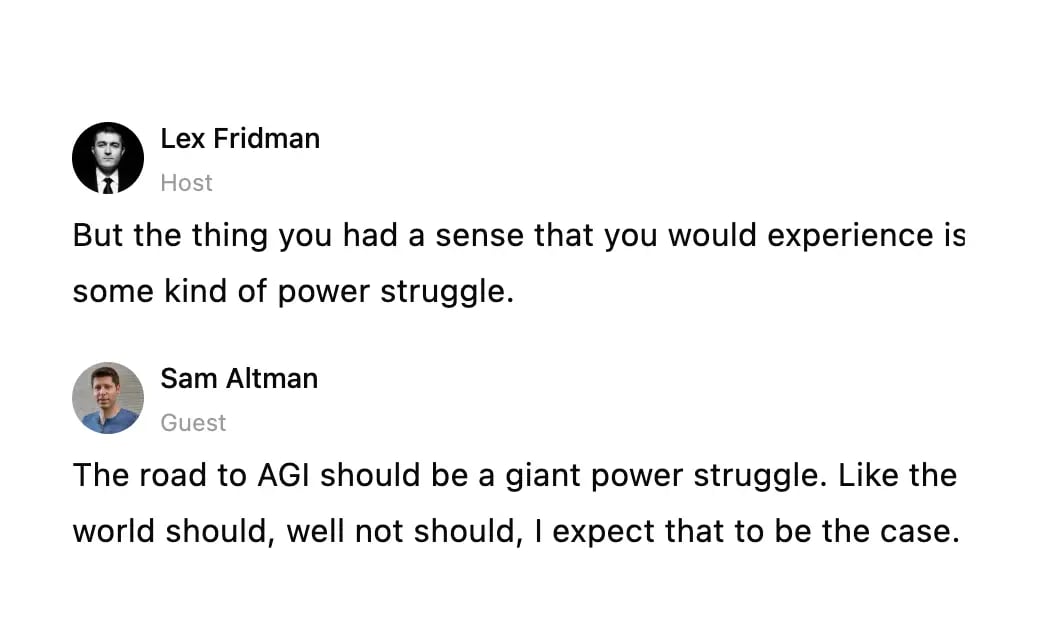
Speaker detection
Automatically identify different speakers in your recordings and label them with their names.
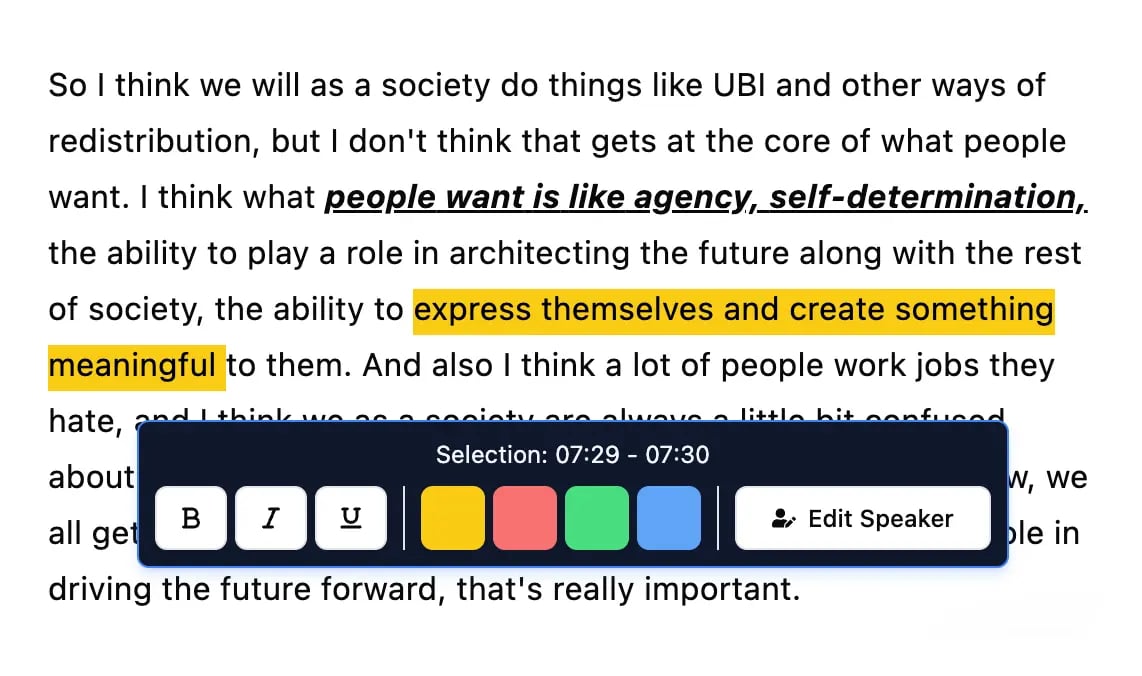
Editing tools
Edit transcripts with powerful tools including find & replace, speaker assignment, rich text formats, and highlighting.
Navigating the landscape of knowledge management can feel like assembling a complex puzzle. We've explored ten powerful pieces, from the foundational structure of a Knowledge Management System (KMS) to the dynamic, human-centric energy of Communities of Practice and storytelling. Each practice offers a unique mechanism for transforming scattered data into a cohesive, actionable intelligence that fuels your entire organization.
The journey from a siloed, forgetful organization to a collaborative, learning one is not about implementing every single one of these strategies at once. Instead, it’s about strategic selection and thoughtful adaptation. The true power of these knowledge management best practices lies not in their individual implementation, but in how they intersect and reinforce one another to create a resilient, self-improving ecosystem.
Key Takeaway
Successful knowledge management is an ecosystem—not a checklist. Technology, people, and culture must evolve together to unlock long-term organizational intelligence.
Synthesizing the Core Principles
Reflecting on the practices covered, from After-Action Reviews to formal Mentoring Programs, a few core themes emerge as critical success factors. First is the essential balance between technology and human interaction. A state-of-the-art KMS is only as effective as the culture of sharing it supports. Similarly, the rich, tacit knowledge shared through a mentorship or an expert network cannot be fully replicated by a database alone.
The second core principle is intentionality. Effective knowledge management doesn't happen by accident. It requires deliberate processes for Knowledge Capture and Documentation, structured moments for reflection like retrospectives, and strategic investments in creating spaces, both physical and digital, for Collaborative Learning and Knowledge Co-Creation. Without this intentional design, valuable insights will inevitably slip through the cracks.
Your Actionable Roadmap to a Smarter Organization
Embarking on this transformation requires a clear plan. Avoid the pitfall of trying to boil the ocean. Instead, focus on creating tangible momentum with a targeted approach.
Here are your next steps:
- Conduct a Micro-Audit: Before you build, you must understand your foundation. Use the principles of a Knowledge Audit on a single team or department. Identify one critical knowledge gap or one significant bottleneck where information gets lost. What is the most pressing knowledge-related pain point they face?
- Launch a Pilot Program: Select one or two of the knowledge management best practices from this article that directly address the pain point you identified. For a sales team struggling with onboarding, a Mentoring Program might be the perfect fit. For a product team experiencing recurring issues, implementing formal After-Action Reviews could yield immediate benefits.
- Measure and Broadcast Success: Define what success looks like for your pilot before you begin. Is it faster onboarding? A reduction in repeat errors? An increase in cross-departmental collaboration? Track these simple metrics and, most importantly, celebrate and share the wins. Success stories are the fuel for broader cultural adoption.
By treating this as an iterative process of experimentation and learning, you de-risk the initiative and build organic buy-in from the ground up. The goal is to create a virtuous cycle where the act of managing knowledge itself becomes a source of organizational learning. This journey transforms knowledge from a passive resource stored in a repository into the active, life-giving current that drives innovation, enhances decision-making, and builds a sustainable competitive advantage. The ultimate reward is not just efficiency, but a profound organizational resilience-an ability to learn, adapt, and excel in the face of any challenge.
Ready to capture the valuable knowledge shared in your podcasts, meetings, and video content? Turn hours of audio and video into searchable, documented assets with Transcript.LOL. Effortlessly transform spoken words into accurate text, making it a cornerstone of your knowledge capture strategy. Visit Transcript.LOL to start building your knowledge base today.
👉 Turn conversations into knowledge assets. Start building your searchable knowledge base with Transcript.LOL today.